DRAG

5 Days Sarara, Reteti Elephants & the Singing Wells Namunyak Fly-In

  • Home
  • Trip
  • 5 Days Sarara, Reteti Elephants & the Singing Wells Namunyak Fly-In

5 Days Sarara, Reteti Elephants & the Singing Wells Namunyak Fly-In

Most itineraries are drawn around animals. This one is drawn around a handshake. Namunyak — the name means “place of peace” in Maa — is eighty-five thousand acres of community-owned wilderness folded against the forested wall of the Mathews Range, run by the Samburu families who have herded this country for centuries. Two things happen here that happen nowhere else in quite the same way. The first is Reteti, the first elephant sanctuary in Africa to be owned and staffed by the community whose land it sits on, where Samburu keepers raise orphaned calves with the declared aim of sending every one of them back to the wild. The second is the singing wells: during the dry months, whole families descend into hand-dug wells in the sand rivers, forming human ladders that pass water up to the livestock in rhythm — deep, synchronized chanting that carries across the plains at dawn, a song older than the reserve borders. Between those two appointments, the days fill with quieter wealth: elephants crossing in front of camp, a walk into a mountain forest where de Brazza’s monkeys — among Africa’s rarest primates — live in the cedar shade, rock pools to swim, and Samburu hosts for whom this is not a cultural performance but an ordinary Tuesday. Four nights, one flight, and a story you will be retelling for years.

Trip Highlights

  • Watch orphaned elephants take their bottle at Reteti — the first community-owned elephant sanctuary in Africa
  • Witness the singing wells at dawn — Samburu families chanting water up hand-dug shafts to their cattle (dry season)
  • Sleep at Sarara, whose tents look down the wholeNamunyak valley from a ledge above the river
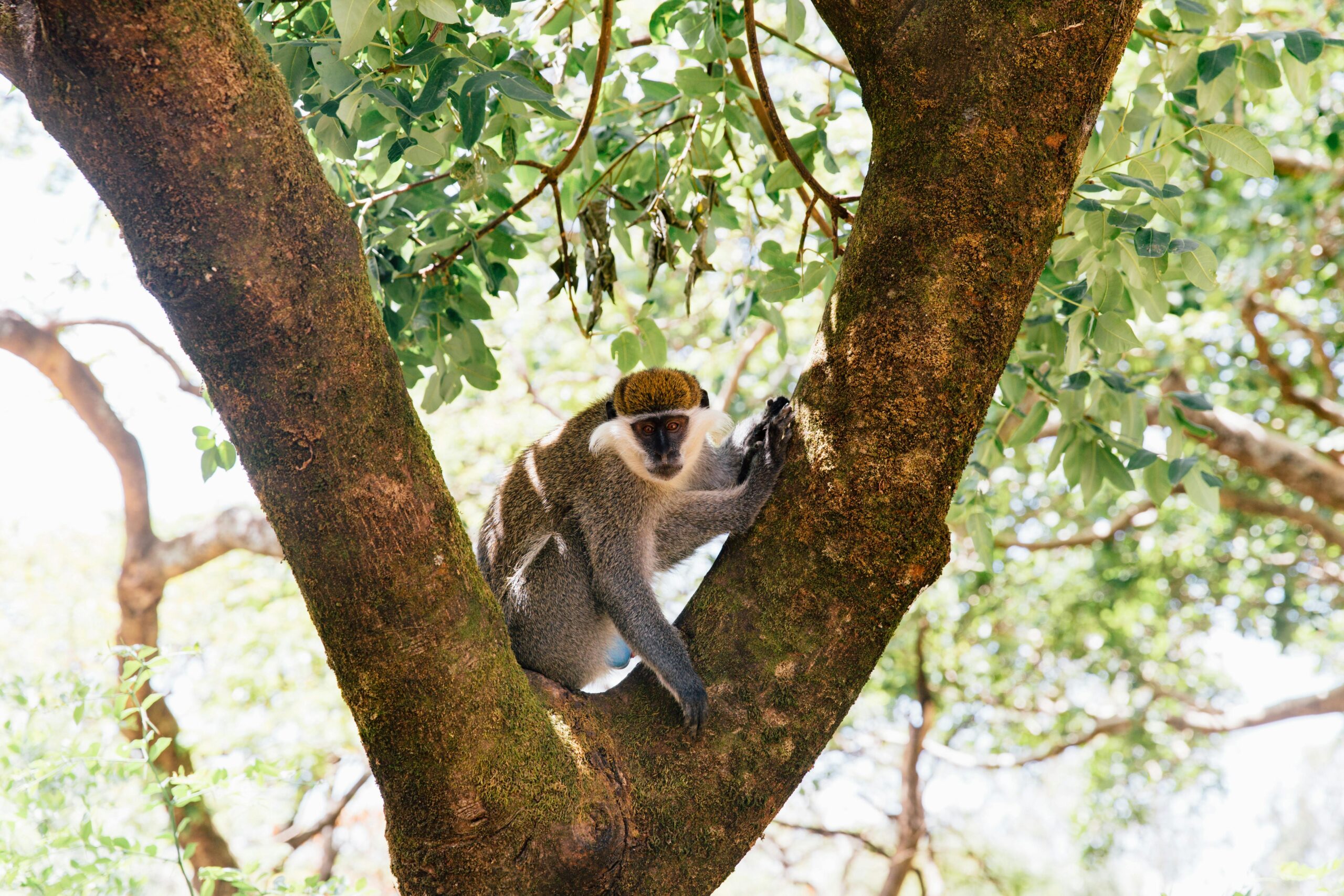
  • Walk the cedar and podocarpus forest of the Mathews Range with Samburu trackers — home to de Brazza’s monkey and thousand-year-old cycads
  • Swim the natural rock pools beneath the camp’s waterfall
  • Night game drives on community land — leopard, genet and bushbaby under a red light
  • A genuine welcome inside a Samburu manyatta, arranged through the same community that owns the ground you walk on
  • Sleep-out decks in the acacias at Sarara Treehouses — beds that move outside for the night

At a Glance

Duration 5 days / 4 nights
Destinations Nairobi → Namunyak Conservancy (Mathews Range) → Nairobi
Travel Style Fly-in community & wildlife safari
Activity Level Easy to Moderate
Best Season May – Oct (Dry season, singing wells at their best) | Jan – Feb (Hot & dry)
Ideal For Culture-seekers, conservation supporters, families, photographers & slow travellers

Day-by-Day Itinerary

Day 1 — Nairobi → Namunyak

A Tribal Adventures representative meets you at Jomo Kenyatta International Airport or your Nairobi hotel and delivers you to Wilson Airport for the morning flight north. Below the wing the highlands peel away into thorn scrub and dry riverbeds — proper frontier country — before the forested bulk of the Mathews Range rises ahead, green against everything around it.

Touch down at the conservancy’s airstrip, where Sarara’s team is waiting with cold drinks and the first of many introductions. The drive to camp is unhurried and informative: goat herds waving past, the guide pointing out the day’s elephant tracks pressed into the sand like signatures.

After lunch on the deck, the afternoon keeps its feet on the ground — literally. A short orientation walk with one of the camp’s Samburu guides introduces the plant life, the tracks and the boundaries of the world you’ve landed in, ending at the rock pools below the waterfall for a first swim in living water.

Sundowner on the cliff-edge terrace as the valley turns rose-gold, then dinner under the lanterns. The Mathews Range stands over the whole scene like a guardian who never leaves.

Overnight: Sarara Camp (Luxury) / Sarara Treehouses (Mid-Luxury).

Morning belongs to Reteti. A short drive through the conservancy brings you to the sanctuary in time for the morning feed, when the youngest calves are bottle-fed with specially formulated milk by keepers from the very families who own the land the elephants will one day return to.

The format is respectful and deliberately low-touch: viewing from a designated area while the keepers work, with a briefing on each calf’s rescue story — and on the hard economics of the illegal trade that orphans them. Reteti was founded in 2016 and broke the mould: it is community-run, employs local keepers, and its success is measured by how few of its elephants stay. A visit here is participation in the model, not spectating at it. (Reteti’s keepsake shop funds the operation; the beadwork sold is made locally and priced fairly.)

Return to camp for lunch and the heat of the day in the shade.

Late afternoon, a game drive through the conservancy’s western reaches — elephant families moving toward the river, reticulated giraffe folding themselves under the acacias, gerenuk upright in the browse line. As the sun sets, red-filtered spotlights come out: leopard on the rocks, bushbabies in the trees, and the night’s own timetable beginning.

Overnight: Sarara Camp (Luxury) / Sarara Treehouses (Mid-Luxury).

An alarm set before first light earns the itinerary’s signature morning. In the dry months, the sand rivers hold no surface water, and the cattle drink from wells dug by hand — some of them many metres deep. The families arrive at dawn, and the work is done to a beat: men standing on rungs cut into the well walls pass water upward vessel to vessel in a rising, rolling chant, the rhythm speeding as the trough fills and the herd presses in.

Your guide arranges the visit with the families in advance, and the etiquette is simple: arrive before the singing, keep a respectful distance, and let the hosts set the terms of any conversation. Photographs are welcome when permission is given — and given freely once the introductions are made. (Wells shift with the drought; your guide knows where the current ones are. In greener months, when the river runs, this morning becomes a different ritual — livestock gathering at the water’s edge as the valley wakes — and is every bit as photogenic.)

Brunch back at camp, then the middle of the day belongs to the water and the shade.

Late afternoon, a visit to a nearby manyatta with your guide — homes of mud and cattle-dung plaster, arranged around the cattle enclosure at the centre, built and rebuilt as the family moves with the rains. Coffee brews over the fire; the elders talk; the beadwork on display is made by the hands selling it. Come with questions. They are the best currency you carry.

This evening, if the camp’s Moran (warriors) are in residence, expect a firelit dance before dinner — jumping, chanting and general good humour — followed by an honest conversation about what it takes to guard both cattle and elephants in one lifetime.

Overnight: Sarara Camp (Luxury) / Sarara Treehouses (Mid-Luxury).

The mountain takes the final full day. The Mathews Range is a sky island — a forested ridge lifted into permanent cool, where cedar, podocarpus and giant cycads survive as relics of a wetter age. With a Samburu tracker and a conservancy ranger, you walk up into that world: elephant paths worn through the understorey, colobus monkeys moving in the high canopy, and — if the forest is generous — de Brazza’s monkey, one of Africa’s rarest and most beautiful primates, whose Kenyan stronghold is precisely this range.

The walk is tailored to the group: a gentle two-hour loop to the waterfall pools, or a longer half-day climb to viewpoints where the whole conservancy unrolls below. Either way, it ends the same way — boots off, feet in the stream, lunch under the trees.

Return to camp via the afternoon’s game drive. Final evening: your host team has a last surprise up its sleeve — a dinner laid on the deck or a bed rolled out beneath the acacias — and the valley provides the accompaniment as it has every night: hyena far off, elephants close enough to hear chewing, the river keeping time.

Overnight: Sarara Camp (Luxury) / Sarara Treehouses (Mid-Luxury).

A final dawn activity before breakfast — the hour when the elephants most reliably pass the waterhole and the guides most reliably know it — then brunch, farewells and the drive to the airstrip.

The scheduled flight returns you to Nairobi’s Wilson Airport by early afternoon, with the rest of the day left to your own arrangements: onward connections, a Giraffe Centre stop, or an extra city night that we’ll happily arrange. For evening international departures we recommend the buffer of a Nairobi day room.

You’ll leave with beadwork in the bag, a Reteti sponsorship leaflet in the pocket and, more often than not, a standing invitation from a family whose name you now know. The north keeps its doors unlocked for returners.

Accommodation Options

Luxury Tier

The Ark (Aberdare National Park) A timber ship beached beside one of the park’s busiest waterholes, with viewing decks, a ground-level bunker and a buzzer at every dinner table that wakes you when something remarkable walks in after dark. Nothing else in Kenya feels like it.

Solio Lodge (Solio Game Reserve) Six glass-fronted cottages lined up beneath Mount Kenya, each looking straight at the snowline. The lodge holds the traversing rights to Solio’s rhino kingdom — dawn drives here happen with barely another set of tyre tracks in sight.

Sanctuary Tambarare (Ol Pejeta Conservancy) A refined tented camp on Ol Pejeta’s eastern grasslands, with the equatorial snows of Mount Kenya on the horizon and the conservancy’s rhinos, elephants and big cats at the gate. Peaceful, polished and close to everything Ol Pejeta does best.

Mid-Luxury Tier

Aberdare Country Club (Mweiga, Aberdare foothills) The grand old clubhouse of the Aberdares — a colonial-era farmhouse on its own wildlife sanctuary, complete with a quirky nine-hole golf course and giraffe crossing the lawns. The natural launch pad for the park above; guests of The Ark lunch here before ascending.

Rhino Watch Lodge (Between Solio & Mount Kenya) A homely, family-run lodge on the slopes between the Aberdares and Mount Kenya, with mountain views from the pool and dedicated game drives into Solio arranged as part of your stay. Warmth, home cooking and rhino expertise.

Sweetwaters Serena Camp (Ol Pejeta Conservancy) The conservancy’s long-standing flagship, pitched at a waterhole that rhino and elephant favour — comfortable tents, a convivial main house and the whole of Ol Pejeta beginning at your veranda.

Alternates on request: Treetops historically holds the royal legend, but for current operations The Ark is our pick · Ol Jogi & Sirikoi (private, on application) · Maisha Sweetwaters.

Destination Essentials

Best Travel Season

May – October: The itinerary’s natural season. The land dries, elephants converge on the river and the wells, and the singing wells tradition is at full voice. Wildlife viewing improves as the bush thins; the Mathews walk is at its most comfortable.

January – February: Hot and dry, with superb light and thin visitor numbers. Wells may still be singing depending on the rains’ timing; the conservancy’s game remains reliable around the water.
November – December: The short rains turn everything green and gorgeous. Singing wells are unlikely — the rivers run — but the valley is at its prettiest, baby season begins and the photography is lush.

April – May: The long rains. Roads and airstrips can soften, and some activities move with the weather. Possible with a flexible schedule; not the months to chase the wells.

Namunyak Community Conservancy

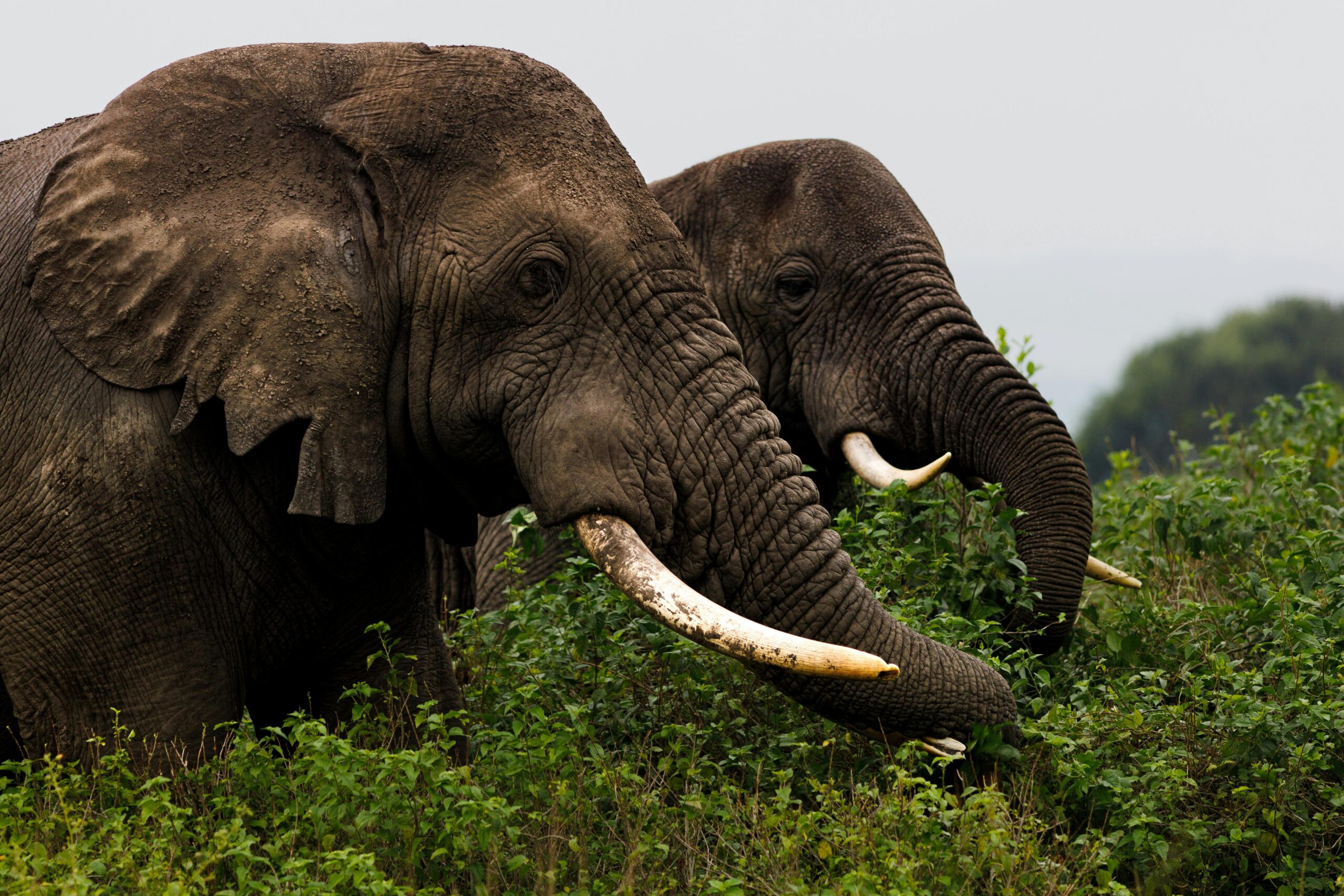
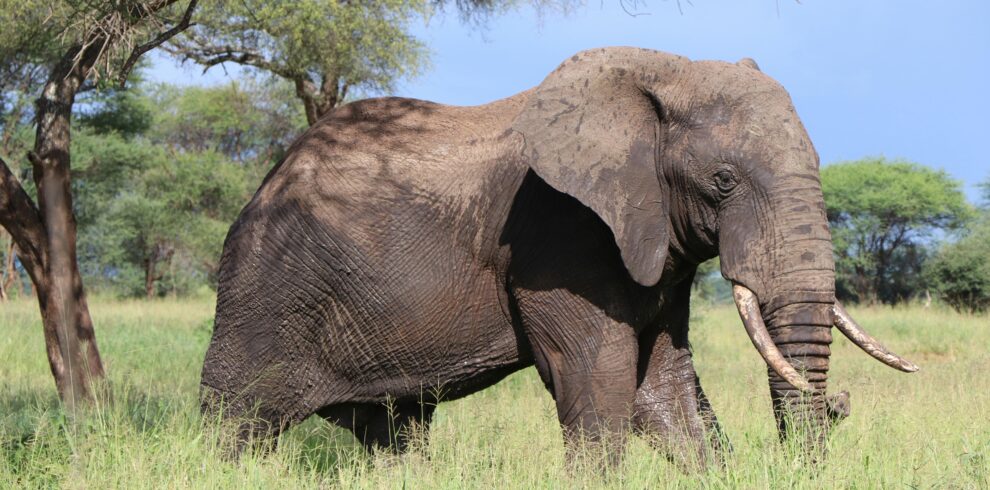
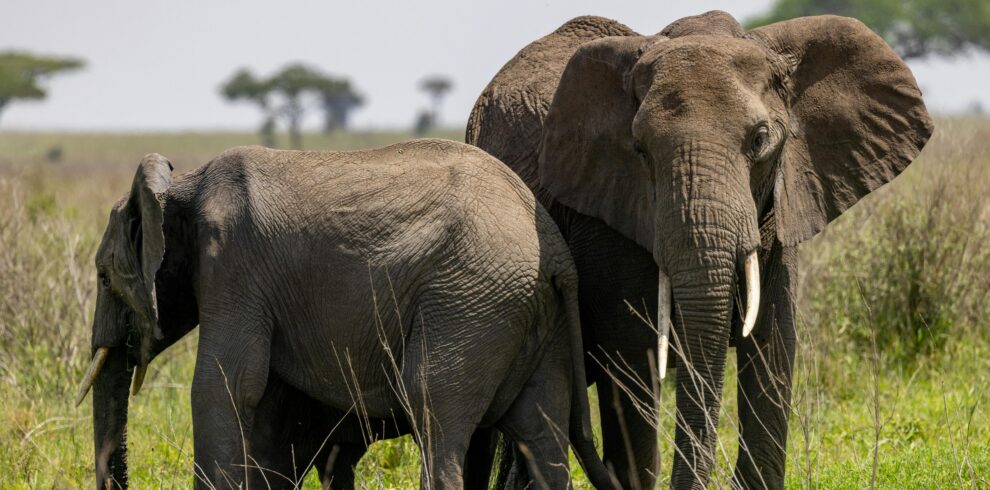
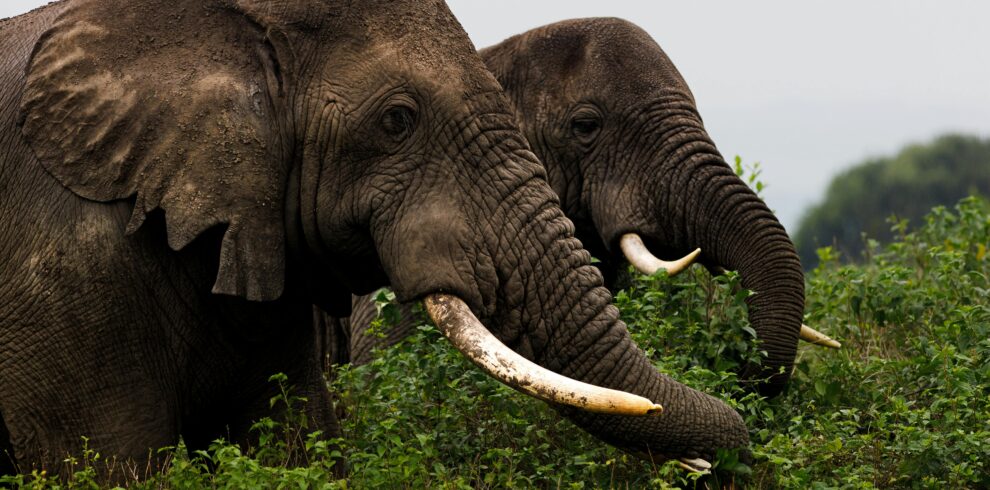
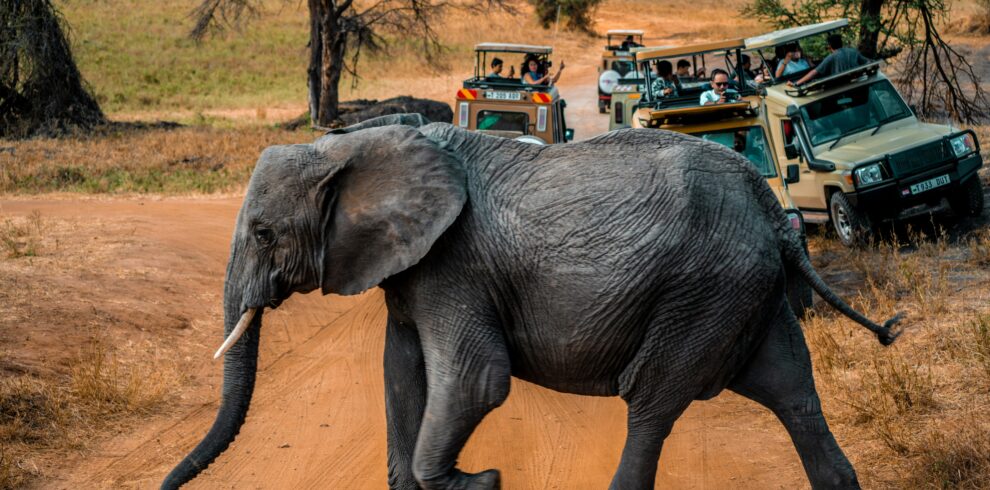
  • Elephant — the conservancy’s signature residents, regular at the river and around camp
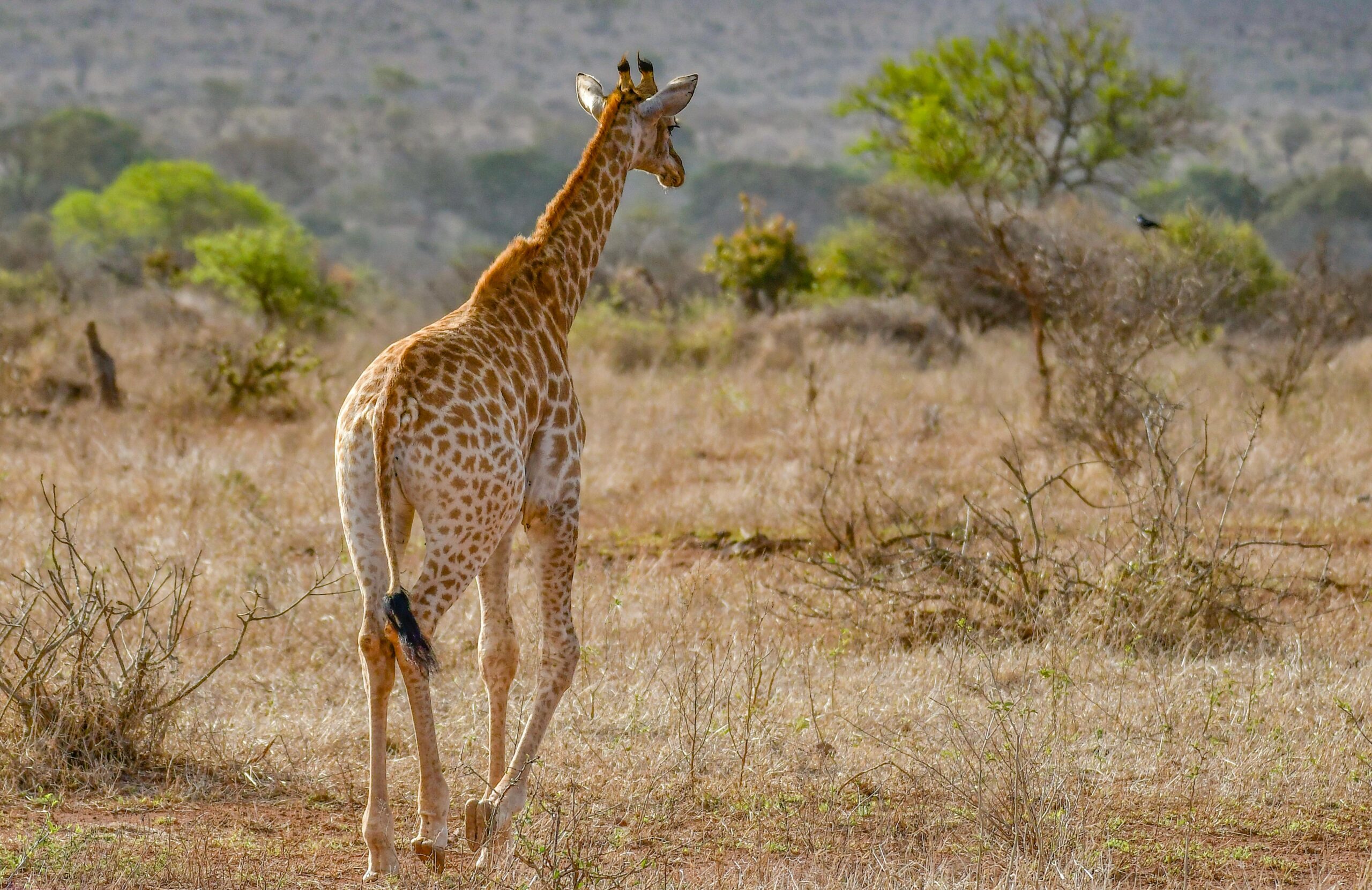
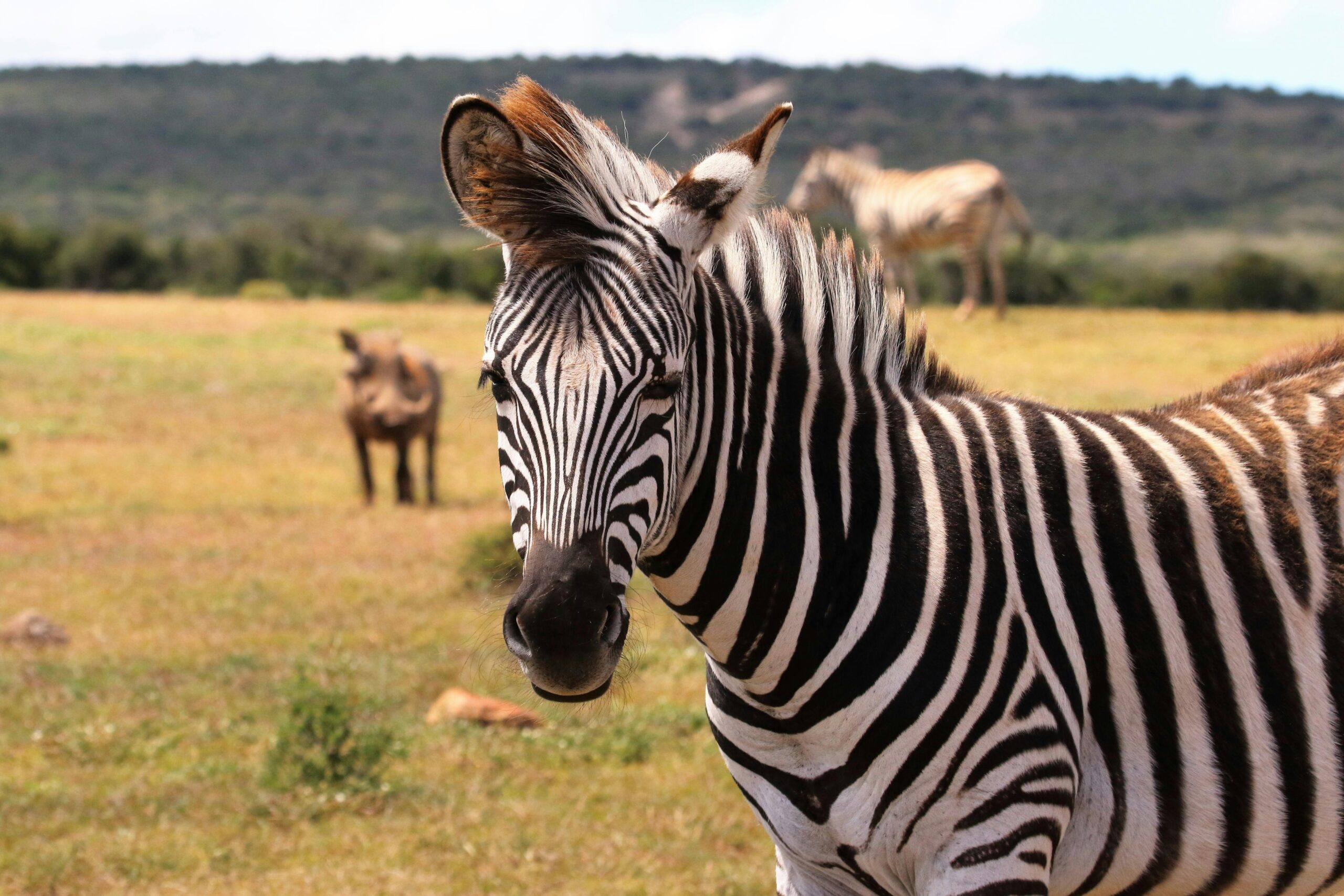
  • Reticulated giraffe, Grevy’s zebra, gerenuk, Beisa oryx and greater kudu
  • Leopard after dark; cheetah on the open flats; spotted hyena and jackal year-round
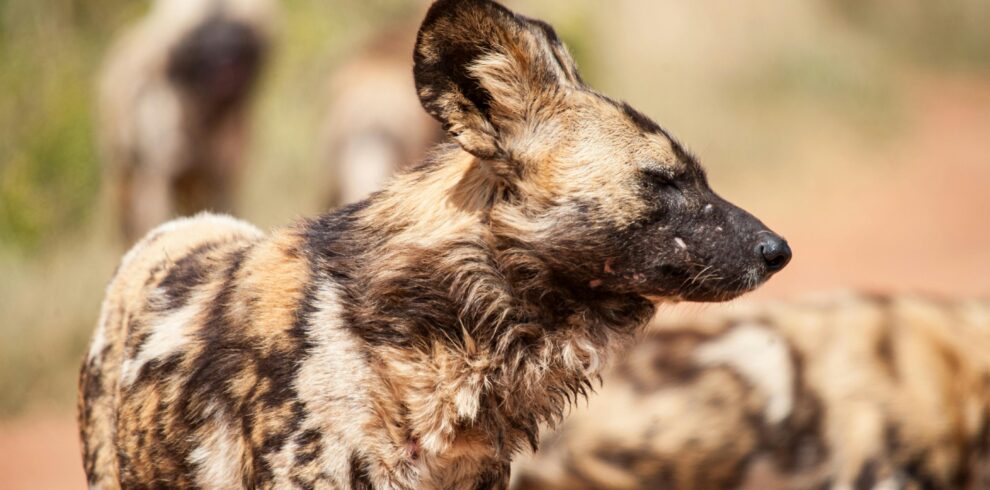
  • African wild dog pass through seasonally — a northern highlight when they do
  • Over 300 bird species: golden-breasted starling, Somali bee-eater, sandgrouse flocks and raptors riding the escarpment

Reteti Elephant Sanctuary

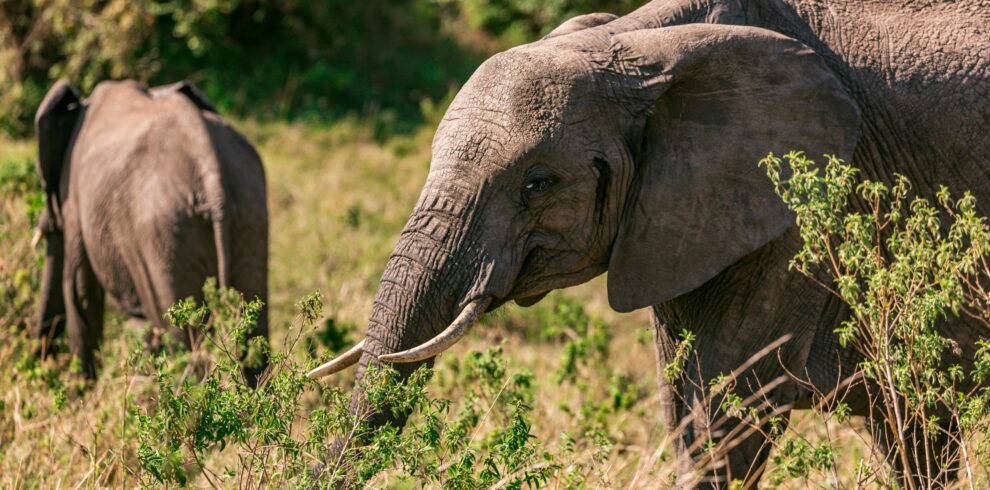
  • Rescued elephant calves in various stages of rehabilitation, bottle-fed by community keepers
  • Goats, a cheeky baby kudu or two, and other surprise rescues the team takes in
  • The visitor centre’s story of the first community-run sanctuary of its kind in Africa

Mathews Range (Lenkiyio Hills)

  • De Brazza’s monkey — Kenya’s rarest primate, found here in its main stronghold
  • Colobus and Sykes’ monkeys; bushbuck in the understorey
  • Ancient cycads, cedar and podocarpus forest surviving from a wetter epoch
  • Waterfalls, rock pools and springs feeding the sand rivers below

Easy: All game drives, night drives, the Reteti visit and the manyatta welcome — seated or strolling, open to every age.

Easy–Moderate: The Mathews forest walk — gentle to moderate underfoot, tailored to the group on the day. The rock-pool walk from camp — short and uneven.

Moderate: The longer mountain option on Day 4 — steady climbing in cool forest, boots required.

Please note: All walking happens with a Samburu guide and, where required, a conservancy ranger; routes and access are at the discretion of the community whose land this is — part of the privilege of being a guest rather than a ticket-holder.

What to Pack

Clothing

  • Earth-toned, lightweight layers — olive, sand, stone — for the heat of the valley days
  • A warm layer for evenings: the camp sits high and the mountain nights bite
  • Modest options for the manyatta visit — shoulders and knees covered is the respectful default
  • Swimwear for the rock pools; sandals that can get wet, plus light walking shoes or trainers
  • Brimmed hat, sunglasses and a buff for the dry-season dust

Safari Essentials

  • Binoculars — for the canopy, the cliffs and the far side of the sand river
  • Camera with a zoom lens (200mm+); a fast lens helps in the forest shade
  • Spare cards, batteries and a power bank — the camps run on solar
  • Dust protection for gear; a headlamp for the sleep-out decks and night drives

Health & Wellbeing

  • High-factor sunscreen and lip balm
  • DEET repellent for dusk
  • Malaria prophylaxis — consult your doctor or travel clinic before travel
  • Personal medication and a compact first-aid kit
  • Hand sanitiser and wet wipes

Documents & Admin

  • Passport valid six months beyond your travel dates
  • Kenya eTA — apply at etakenya.go.ke at least two weeks out
  • Travel insurance certificate
  • Yellow fever certificate if arriving from an endemic country
  • Copies of all booking confirmations; note the 15kg soft-bag limit on the bush flight

Frequently Asked Questions

Do I need a visa to enter Kenya?

Yes. Most nationalities require an Electronic Travel Authorisation (ETA). Apply online at etakenya.go.ke at least 2 weeks before travel. The fee is USD 30 for most nationalities.

Meru is one of Kenya’s least-visited major parks — and that’s exactly the point. You’ll rarely share a sighting with another vehicle. The wildlife is equally impressive to more famous parks, and the atmosphere is completely different. It’s safari as it should be.

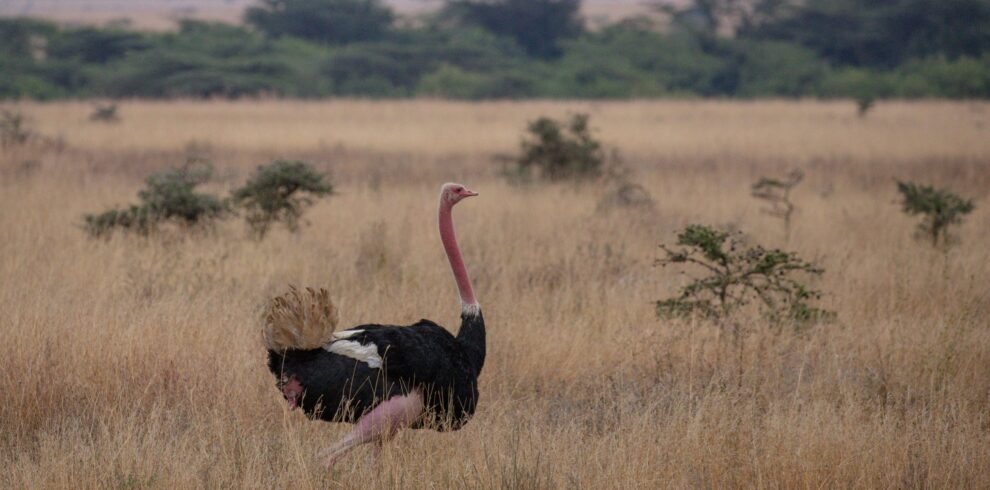
The Samburu Special Five — reticulated giraffe, Grevy’s zebra, gerenuk, Beisa oryx and Somali ostrich — are northern species not found in Kenya’s southern parks. They’re endemic to the arid north, making Samburu the only place in Kenya to reliably spot all five.

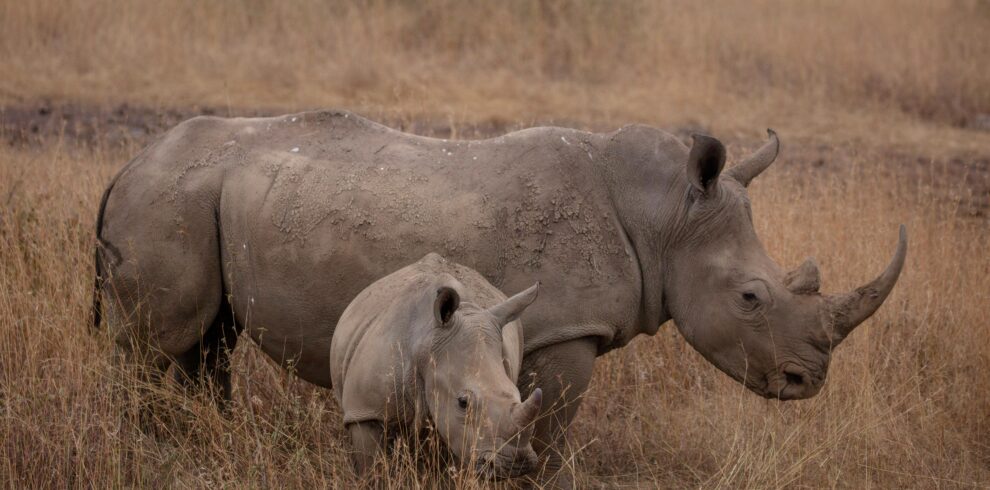
Yes — Ol Pejeta offers guided close-up encounters with Najin and Fatu, the world’s last two northern white rhinos. This is one of the most extraordinary wildlife experiences in Africa. Numbers are limited and advance booking is essential.

Nanyuki sits at around 1,900m altitude, so mornings and evenings can be genuinely cool, especially compared to Samburu or Meru. Pack a warm fleece or light jacket — you’ll thank yourself on early-morning drives.

Exceptional. Meru has over 300 species, Samburu over 450, and Ol Pejeta is equally rich. If you’re a birder, let us know and we’ll tailor the guiding accordingly.

Most light aircraft restrict luggage to 15kg (33lbs) in a soft-sided bag only — no rigid suitcases. This is a firm weight limit. All camps have laundry facilities so packing light is easy.

Yes. Game drives are suitable for all ages. Guided walks and rhino encounters are recommended for children aged 10 and above. Let us know in advance and we’ll adjust the pace and activities to suit your family.

The Kenyan Shilling (KES). USD is widely accepted at lodges and for tipping. Carry some cash for smaller purchases. ATMs are available in Nairobi and Nanyuki town.

Absolutely — this is our starting point, not a fixed route. We can add nights, swap lodges, combine with the Masai Mara or the coast, or build in specific experiences. Just tell us what you want and we’ll make it happen.

You can send your enquiry via the form below.

5 Days Sarara, Reteti Elephants & the Singing Wells Namunyak Fly-In

Destination Type

Amboseli (5 Trips)

Chalbi Desert (1 Trip)

Diani Beach (2 Trips)

Kirisia Hills (1 Trip)

Lake Baringo (1 Trip)

Lake Bogoria (1 Trip)

Lake Naivasha (1 Trip)

Lake Turkana (1 Trip)

Marsabit (1 Trip)

Masai Mara (4 Trips)

Mathews Range (1 Trip)

Milgis Lugga (1 Trip)

Mount Kenya (1 Trip)

Activity Type