DRAG

8 Days Mount Kenya Trek to Point Lenana & Ol Pejeta Safari Summit & Safari Itinerary

  • Home
  • Trip
  • 8 Days Mount Kenya Trek to Point Lenana & Ol Pejeta Safari Summit & Safari Itinerary

8 Days Mount Kenya Trek to Point Lenana & Ol Pejeta Safari Summit & Safari Itinerary

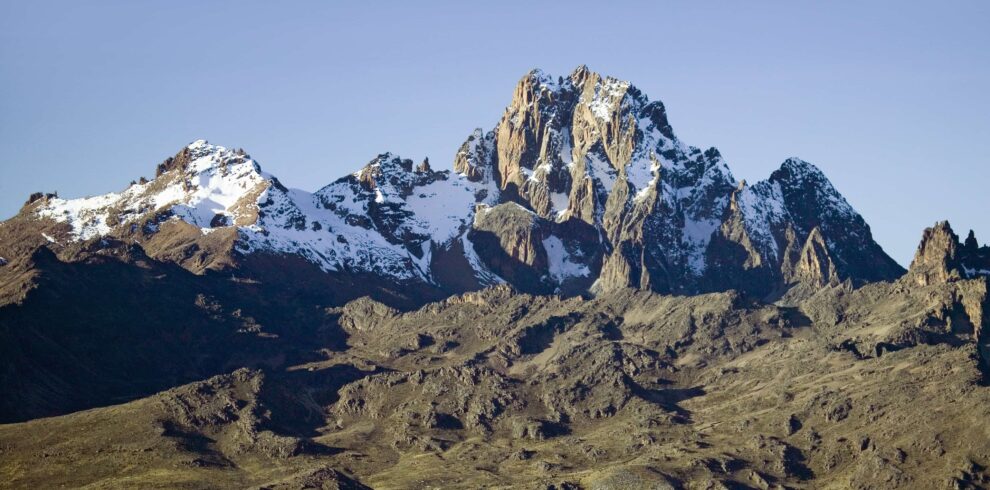
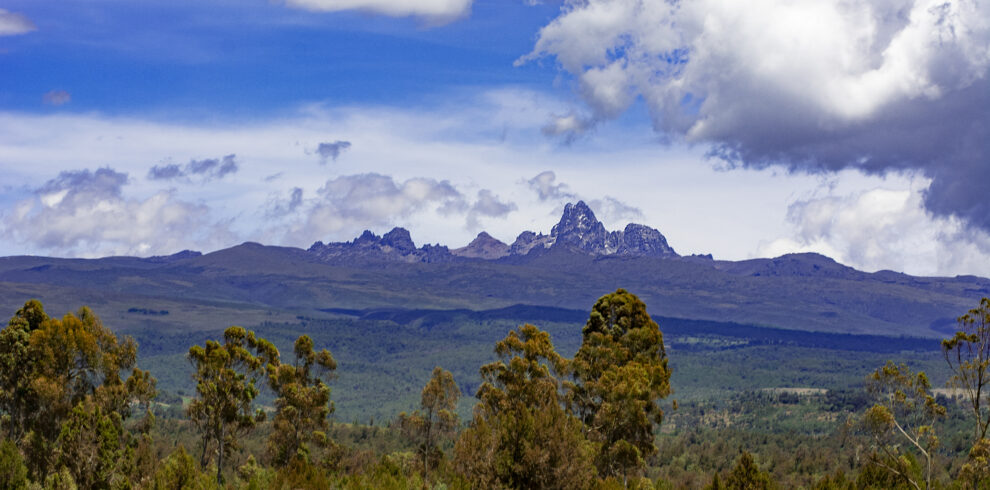
Some mountains you admire from a distance. This one you walk into. Mount Kenya is the worn-down heart of a volcano that once stood taller than Kilimanjaro, sculpted by ancient ice into a citadel of spires, glacial tarns and hanging valleys — and at its crown sits Point Lenana, a genuine 4,985-metre summit that requires no ropes, no crampons and no mountaineering CV, only steady legs and a patient approach to altitude. This journey takes the mountain’s finest line: up the quiet Sirimon flank through forest and moorland into the great bowl of Mackinder’s Valley, a night beside the Hall Tarns with the glaciers almost close enough to touch, and a headlamp start at two in the morning to stand on top of Africa’s second-highest peak exactly as the sun breaks over the eastern plains. Then down the celebrated Chogoria side — past cliffs, tarns and waterfalls — and straight into the best medicine for tired legs that Kenya can prescribe: two nights at Ol Pejeta, watching rhino, chimpanzees and lions do all the walking for you. A crew carries the loads, cooks the meals and raises the camp; you carry only a daypack and the ambition.

Trip Highlights

  • Summit Point Lenana at 4,985 metres by headlamp — sunrise over the plains, delivered without ropes
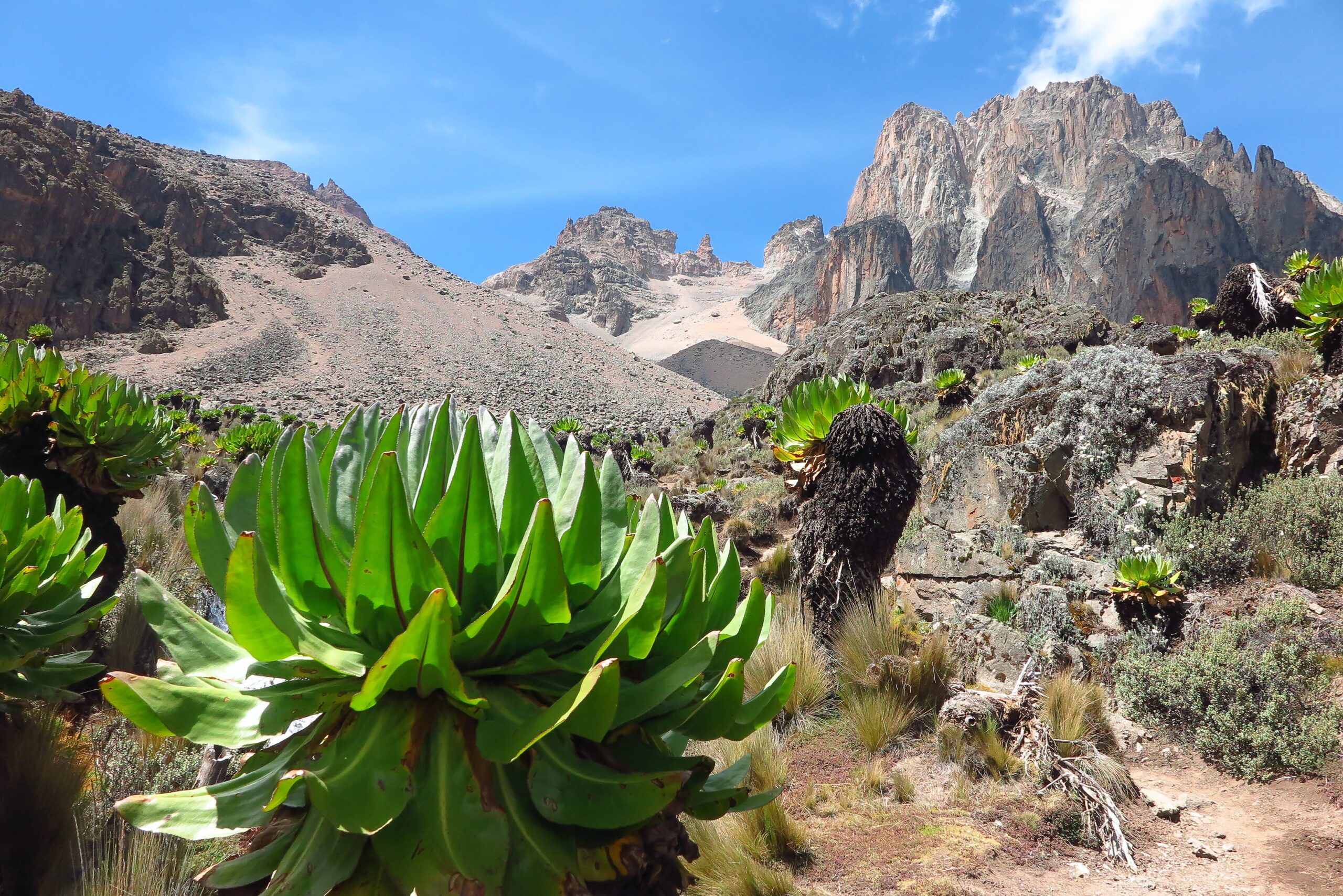
  • Walk among equatorial glaciers and giant groundsel — some of the only ice on Earth this close to the Equator
  • Sleep beside the Hall Tarns and gaze across Lake Michaelson from the cliffs of the Gorges Valley
  • Trek the Sirimon–Chogoria traverse, widely reckoned the mountain’s finest line
  • A full mountain crew — licensed KWS guide, cook and porters — so you carry a daypack and nothing more
  • An acclimatisation day built into the route: climb high, sleep low, summit strong
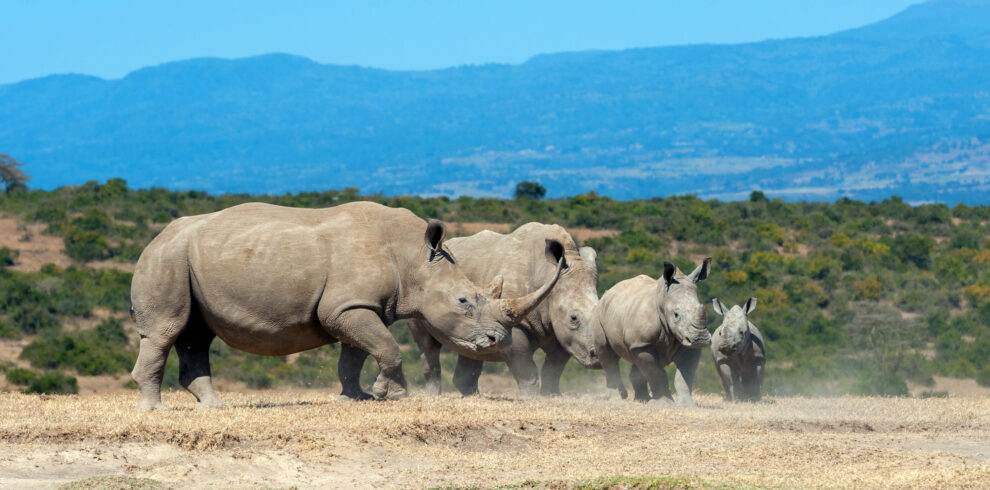
  • Recycle the legs among East Africa’s largest black rhino population at Ol Pejeta
  • Meet Najin and Fatu, feed Baraka, and boardwalk past rescued chimpanzees at Sweetwaters
  • Optional night drive and guided walk on private conservancy land
  • Extend with a night on a Loisaba Star Bed — stars at ground level after stars at 4,300 metres

At a Glance

Duration 8 days / 7 nights
Destinations Nairobi → Nanyuki → Mount Kenya (Sirimon up, Chogoria down) → Ol Pejeta → Nairobi
Travel Style Fully supported guided trek + private conservancy safari
Activity Level Moderate to Challenging — 4,985m summit
Best Season Jan – Feb & Jun – Oct (Dry, stable mountain weather)
Ideal For Active travellers, trekkers, adventure couples, milestone celebrations & challenge-seekers

Day-by-Day Itinerary

Day 1 — Nairobi → Nanyuki: Base Camp & the Equator

Your driver-guide collects you from JKIA or your Nairobi hotel in the morning, and within the hour the road begins to climb through tea country toward the escarpment. At the famous viewpoint, the ground simply stops: a mile-deep crack of green and ochre running to the horizon. Your first photograph of the trip writes itself.

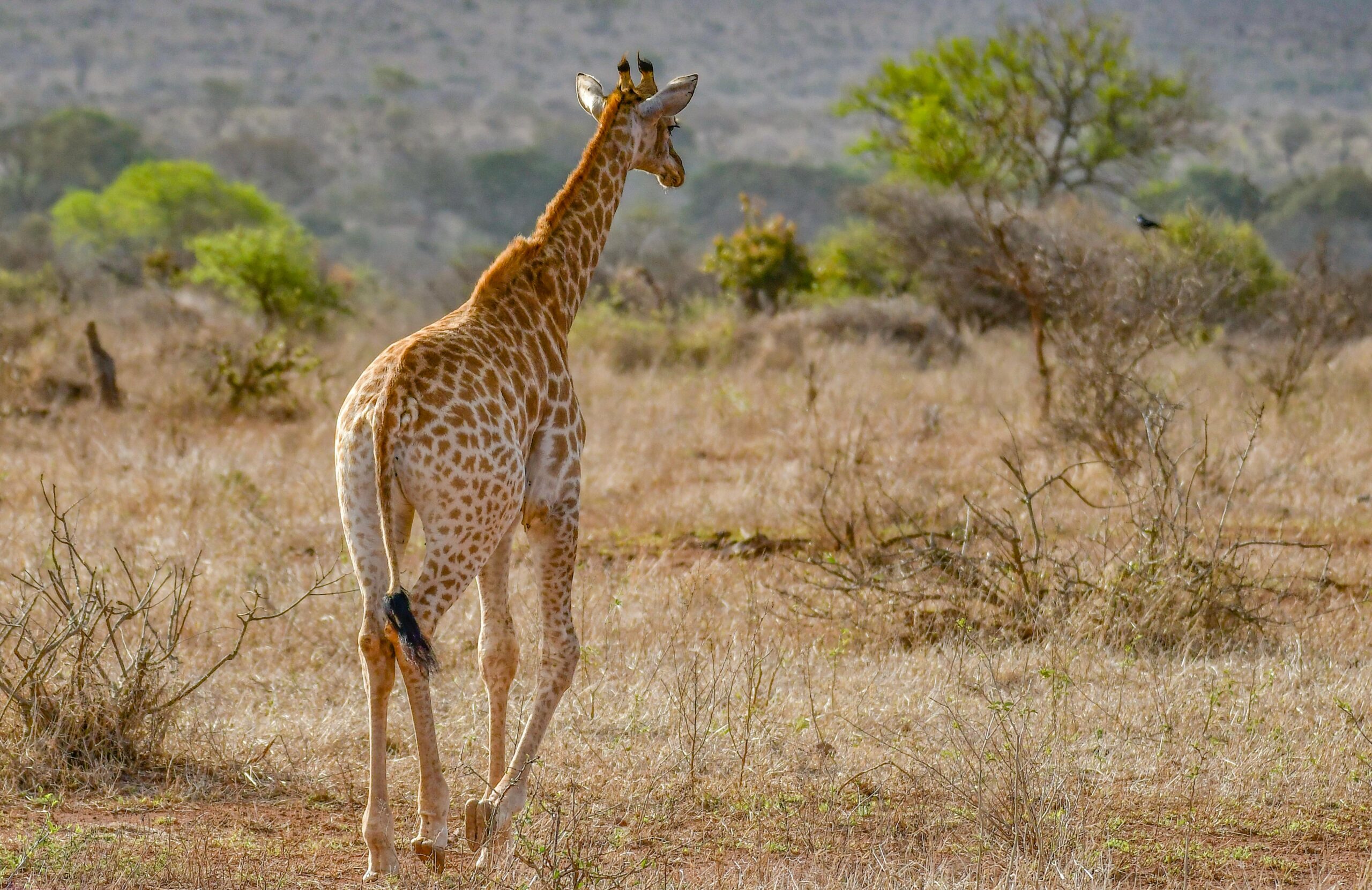
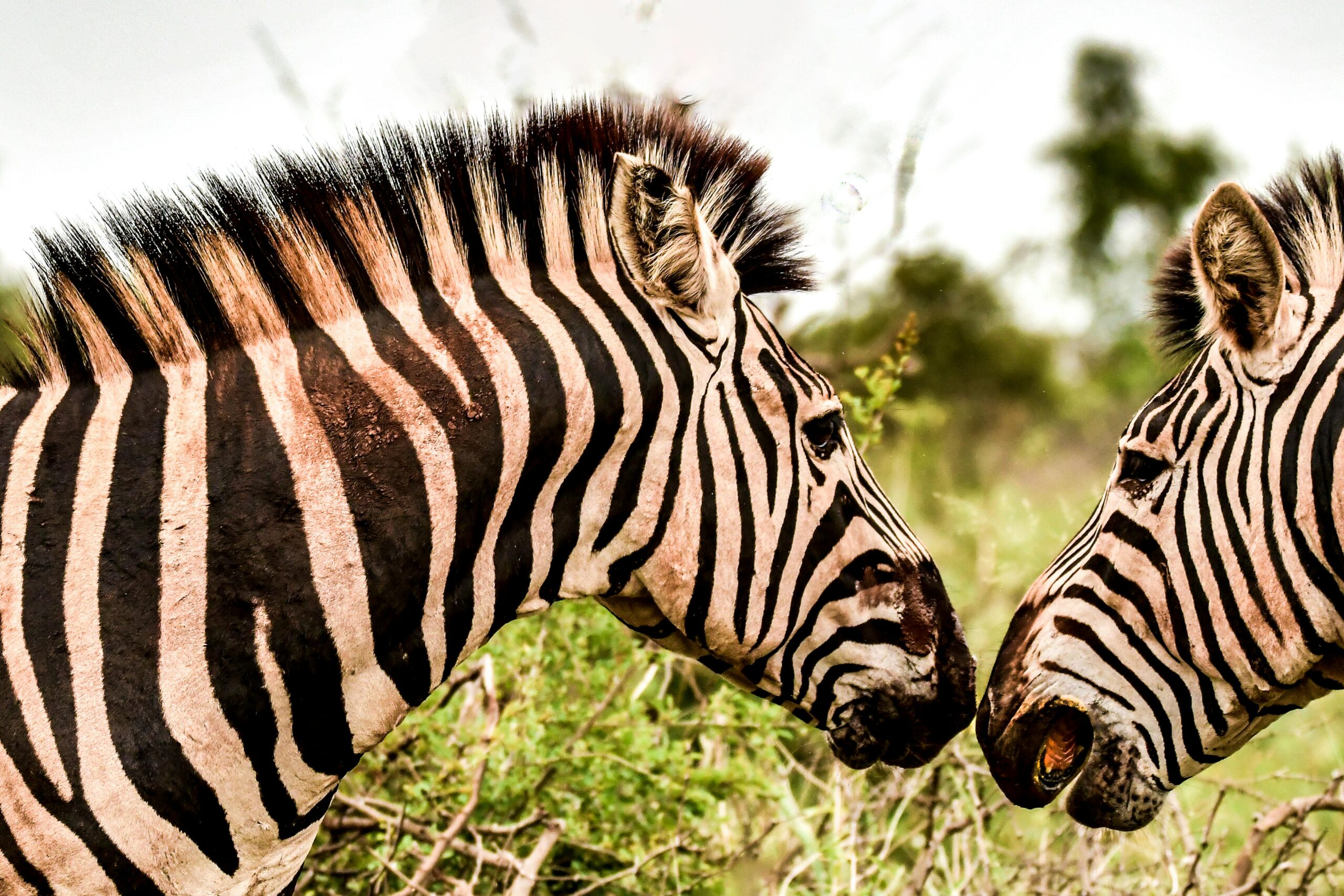
Drop onto the valley floor and continue to Naivasha for lunch. In the afternoon, choose how to meet Hell’s Gate — on two wheels, riding past zebras, Coke’s hartebeest and giraffe beneath the stone towers, or seated in the vehicle through the same country. Fischer’s Tower and the geothermal steam of Olkaria make the terrain feel borrowed from another planet.

Return to the lodge for sundowners as the hippos on the lake begin their evening chorus.

Overnight: Chui Lodge (Luxury) / Lake Naivasha Sopa Resort (Mid-Luxury).

A short drive to Sirimon Gate at 2,600 metres for KWS registration, then the trek begins gently — a dirt path winding up through montane forest where colobus monkeys move through the canopy and the calls of hornbills follow you uphill.

By early afternoon the trees thin into heath and moorland, and the summit circuit shows itself for the first time: the whale-backed ridge of Point Lenana holding the line ahead. Old Moses Camp (3,300m) appears in the afternoon light, the kitchen already smoking, tea already brewing.

An optional stretch of the legs before dusk helps the altitude do its work overnight.

Overnight: Old Moses Camp (Judmaier), KWS hut & camp — full board.

The big walking day. The path climbs steadily through moorland that seems designed by a dreamer — giant groundsel and lobelia standing like sculpture, streams crossing in silver steps, and the air thinning a little with every ridge.

Lunch in the open above the valley, then the trail turns into Mackinder’s Valley, a vast glacial corridor walled by Point Peter and the satellite peaks, climbing gently toward the summit massif. Shipton’s Camp (4,200m) sits in the bowl at its head, beneath the twin rock towers of Batian and Nelion — the true summits, and the reason the mountain looks like a fortress from below.

Early dinner, early bed. The body has altitude homework tonight.

Overnight: Shipton’s Camp, KWS hut & camp — full board.

The day that makes summit day work. With daypacks only, the group climbs from camp toward the Hausberg Tarns and the small lakes beneath Point John — two, three hours of gentle uphill that puts you well above 4,500 metres in the morning, photographing the rock hyraxes (the elephant’s unlikely little cousins) and the scarlet-tufted sunbirds working the giant groundsel.

Then, crucially, you come back down. Lunch at Shipton’s, an afternoon of nothing much — feet up, boots drying, mugs refilled — and an early night. Sleep low after climbing high: the oldest and best rule on the mountain, and your body will thank you for it before dawn on Day 5.

Overnight: Shipton’s Camp, KWS hut & camp — full board.

The alarm is not so much rung as whispered, around 02:30. Tea and biscuits in the dark, headlamps on, and the group walks out beneath a sky that has no business being so crowded with stars.

The route climbs the screes and switchbacks behind Shipton’s in the black — three honest hours of switchback walking, the coldest hours of the trip, every layer earning its place. Then the gradient eases, the horizon pales, and you pull onto the summit of Point Lenana (4,985m) precisely as the sun clears the eastern plains: the Chogoria valleys flooding with gold below you, the Hall Tarns catching fire in their rock basins, and the snow-and-ice-dressed towers of Batian and Nelion — the glaciers’ last stand, almost astride the Equator — standing over the whole scene.

Photographs. Toasts. Somebody laughs, somebody’s eyes are wet. Then down to Mintos Hut (4,300m) for a late brunch and the night at the tarns — the most beautiful camp on the mountain, and your reward for the morning.

Overnight: Mintos Hut / Hall Tarns camp — full board.

Arguably the finer half of the traverse. The path leaves Mintos and works along the rim of the Gorges Valley — sheer rock walls falling away on one side, the deep green silence of Lake Michaelson far below, waterfalls threading the cliffs toward the Nithi gorge. Past the great rock face of The Temple the trail drops through heath and forest to Roadhead (2,950m), where the crew’s support vehicle waits with a late lunch and, tradition demands, warm cans of soda.

Then wheels instead of boots: out through Chogoria town and around the mountain’s southern flank to Nanyuki and into Ol Pejeta — roughly three and a half hours of road, most of it spent sleeping with your cheek on the window.

Arrive at camp for a hot shower and a late dinner. The mountain already feels like a rumour.

Overnight: Asilia Ol Pejeta Bush Camp (Luxury) / Sweetwaters Serena Camp (Mid-Luxury).

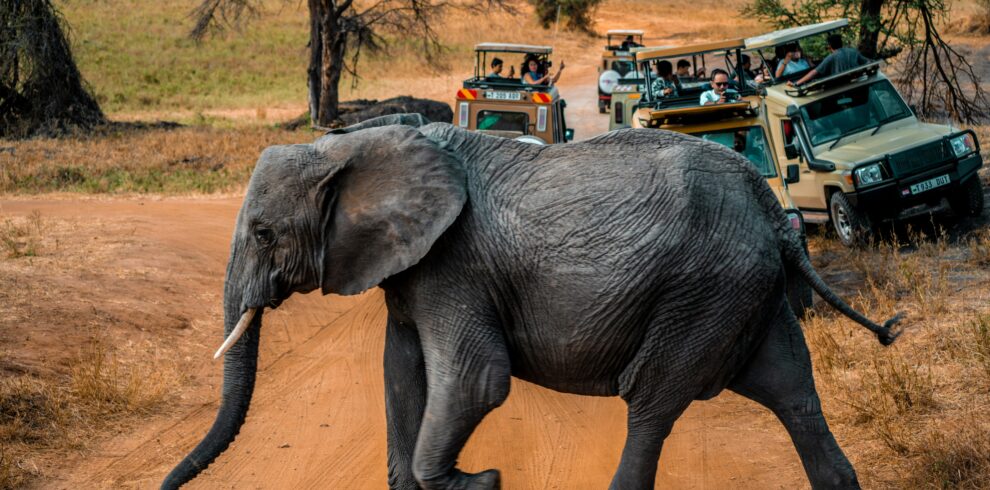
Safari as physical therapy. A lazy wake-up, then a morning game drive across 90,000 acres where rhino sightings are routine and the lions are monitored by the research team your guide will happily explain.

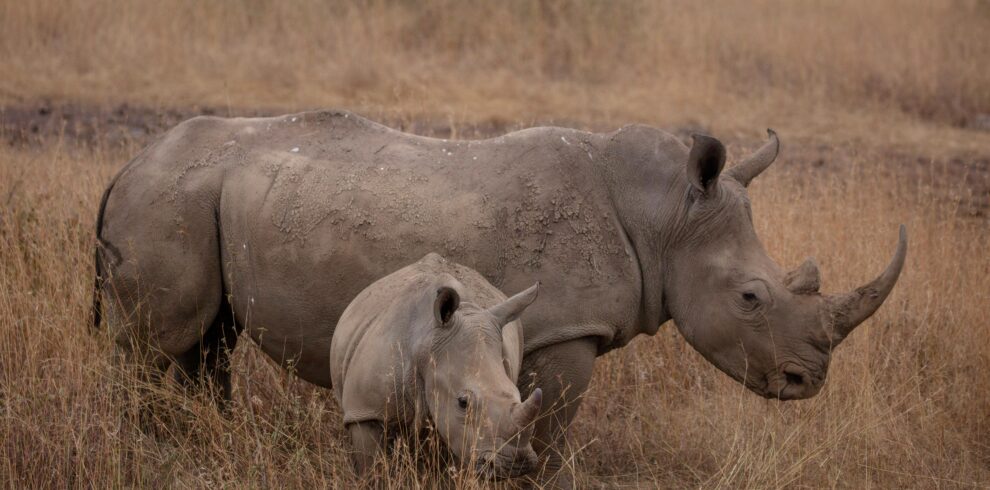
Midday: the Sweetwaters Chimpanzee Sanctuary, watching rescued chimps from the boardwalk, each with a name and a rescue story; then Baraka the blind black rhino taking carrots from your hand at his feeding platform — the conservancy’s favourite ambassador. And a short drive to the Endangered Species Enclosure, where Najin and Fatu, the final two northern white rhinos on the planet, graze under permanent guard. Standing metres from the last of a subspecies, the morning after standing on a mountain, is a pairing guests don’t forget.

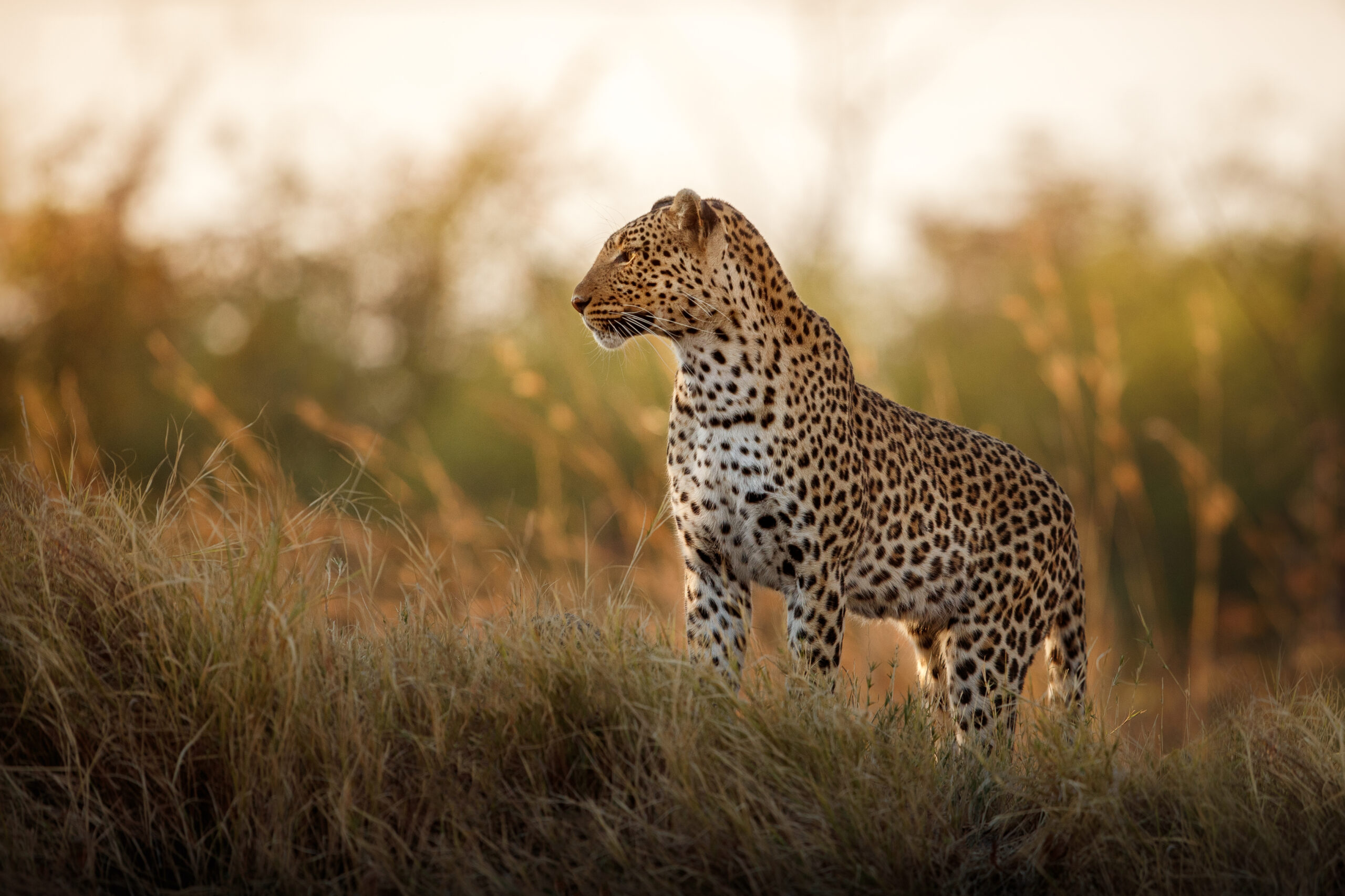
Afternoon at leisure — or one more drive. After dinner, an optional night drive with a spotlight: aardvark, bushpig, bushbabies, and the real possibility of leopard.

Overnight: Asilia Ol Pejeta Bush Camp (Luxury) / Sweetwaters Serena Camp (Mid-Luxury).

One last short drive in the dawn quiet — the hour when the grass is silver and the rhinos have the tracks to themselves — followed by breakfast and the road (or a short flight from Nanyuki) back to Nairobi for your onward connection. A Nairobi day room or extra night is arranged for evening departures.

Two souvenirs travel home with you: a KWS-signed summit certificate from Point Lenana, and a photograph of yourself at 4,985 metres that your friends will assume required ropes. The certificate will fade eventually. The sunrise won’t.

Accommodation Options

Luxury Tier

Fairmont Mount Kenya Safari Club (Nanyuki — base night) The storied club founded by William Holden, lying exactly on the Equator — your lawn straddles the line itself. Manicured grounds facing the mountain, fireplaces in the rooms and the finest pre-trek dinner in the highlands.

Asilia Ol Pejeta Bush Camp (Ol Pejeta Conservancy — recovery nights) A small six-tent camp on the conservancy’s grasslands, run with Asilia’s light-footprint ethos. Days here mix game drives with walks and night drives that the private land makes possible.

Mid-Luxury Tier

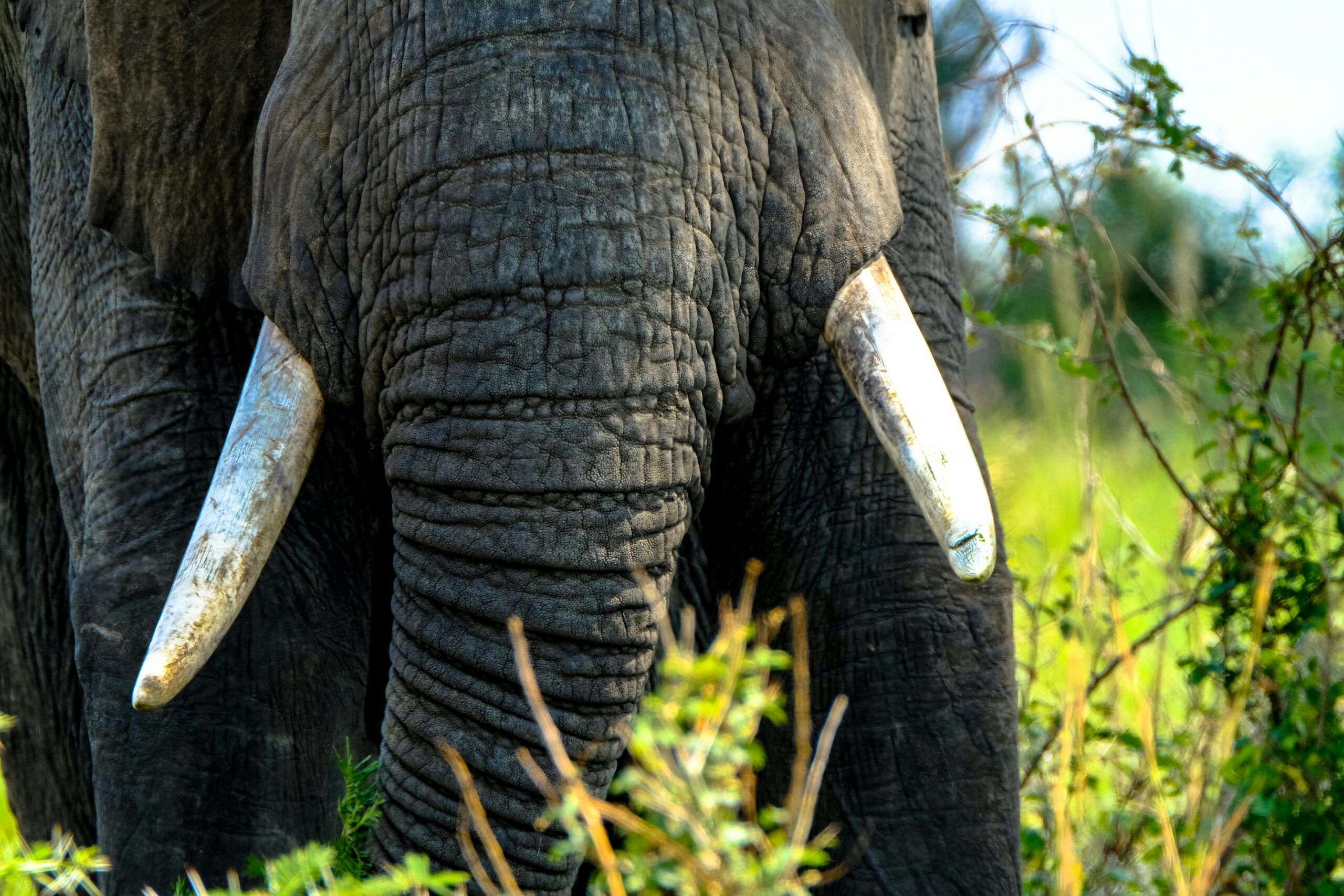
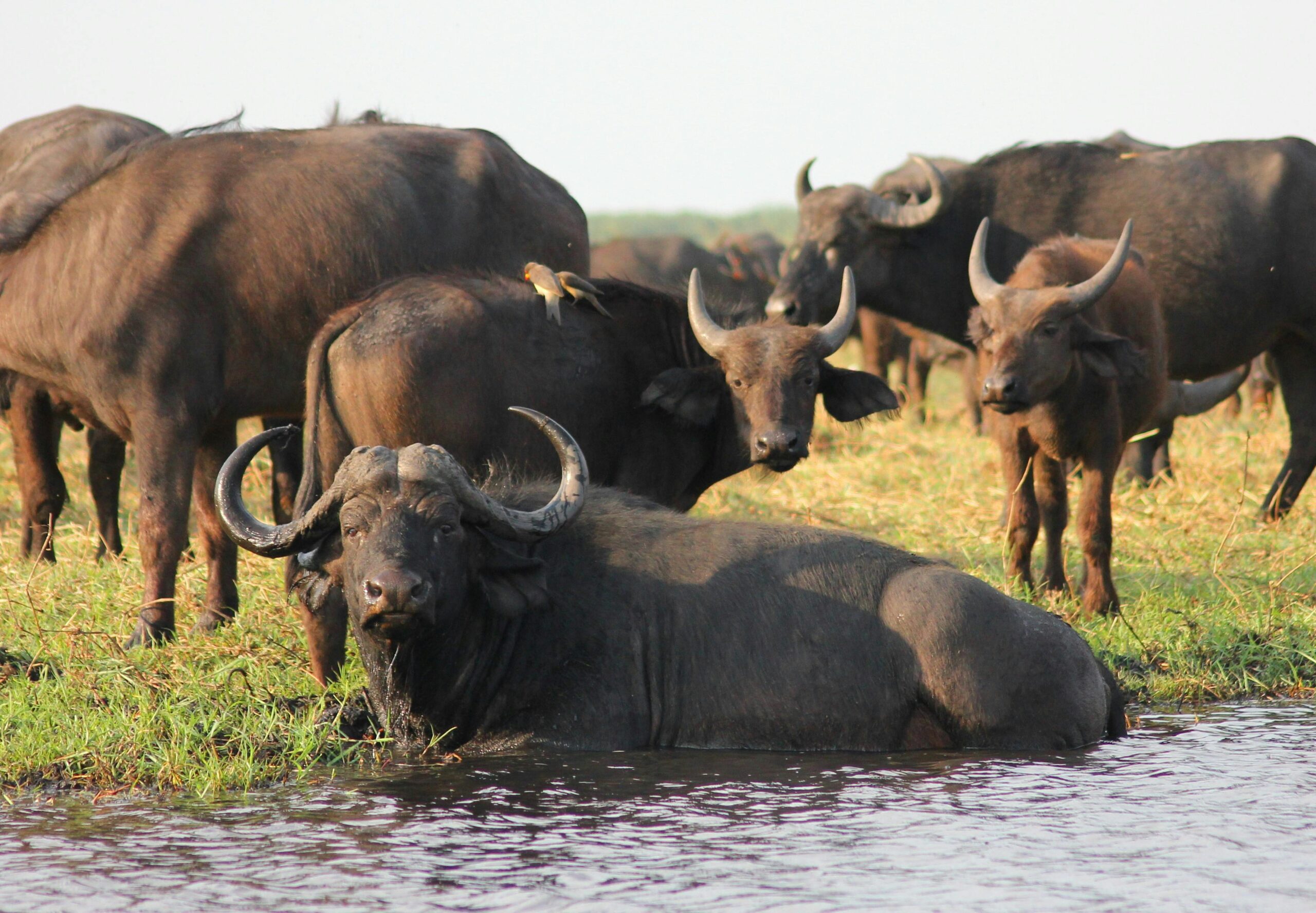
Serena Mountain Lodge (Mount Kenya slopes — base night) A timber tree-lodge at 2,100 metres inside the mountain’s forest belt — an ideal gentle altitude primer, with a waterhole beneath the balconies where buffalo and elephant drink after dark.

Sweetwaters Serena Camp (Ol Pejeta Conservancy — recovery nights) The conservancy’s flagship camp, pitched at a rhino-and-elephant waterhole — comfortable tents, a warm main house and the whole of Ol Pejeta from your veranda.

On the Mountain (all tiers)

The mountain is the great equaliser: both tiers sleep in the same well-kept KWS huts — Old Moses, Shipton’s and Mintos — supported by our expedition camp with mess tent, cook tent and twin tents where occupancy demands. Full board, boiled drinking water, hot water bowls at dawn and a crew-to-guest ratio that treats the trek as an expedition, not a scramble.

Alternates on request: Sanctuary Tambarare & Sirikoi (Ol Pejeta, on application) · a Loisaba Star Bed night inserted before or after Ol Pejeta.

Destination Essentials

Best Travel Season

January – February: The mountain’s driest, most stable window — clear mornings on the summit and warm tracks throughout. The ideal months for this itinerary.

June – October: Equally dry and reliable, with crisper air and colder summit dawns. July–October also brings prime safari conditions to Ol Pejeta and, if you extend, the Migration in the Mara.
November – December: The short rains. Trekkable with a patient guide and flexible schedule, and the mountain is beautifully quiet — but expect cloud, and treat summit forecasts as a daily negotiation.
April – May: The long rains. Wet tracks, closed moorland sections and poor summit odds. Not the right window for this itinerary.

Mount Kenya National Park (UNESCO World Heritage Site)

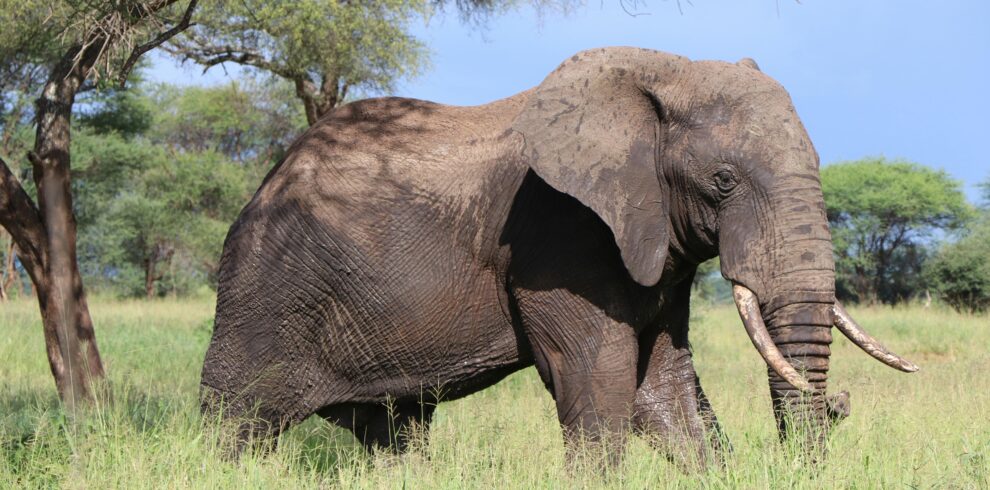
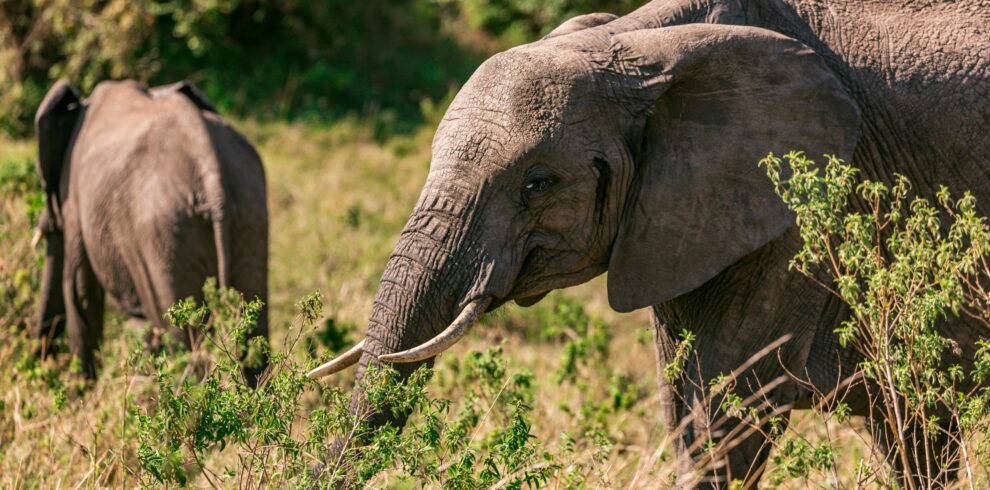
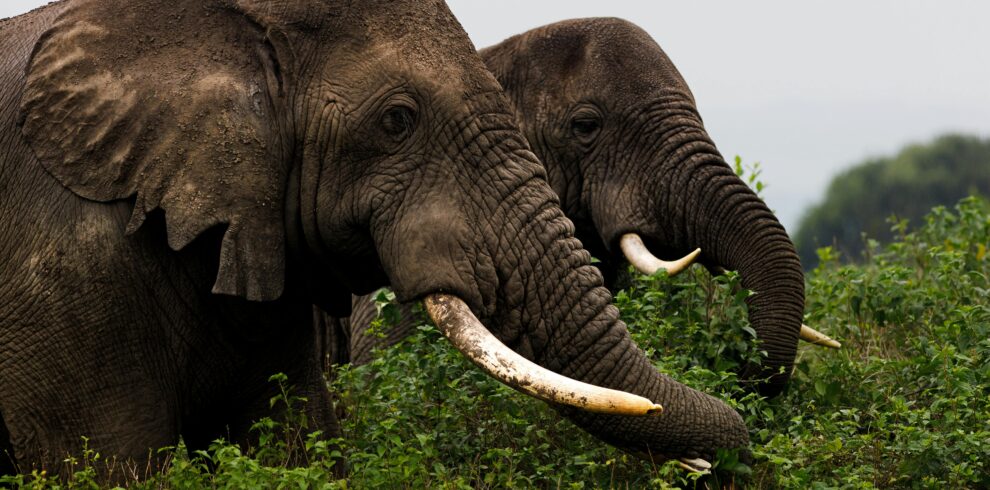
  • Forest-belt residents: colobus and Sykes’ monkeys, buffalo, elephant — and, in legend more than in life, the elusive bongo
  • Moorland botany found almost nowhere else on Earth: giant groundsel and lobelia, some taller than a person
  • Rock hyrax at the tarns; tree hyrax screaming from the forest at night
  • Scarlet-tufted and Tacazze sunbirds, Alpine chats, and lammergeiers riding the thermals
  • The summit architecture itself: Batian (5,199m) and Nelion (5,188m), the twin technical peaks above the walkable Lenana — plus the surviving equatorial glaciers

Ol Pejeta Conservancy

  • East Africa’s largest black rhino population — encounters are the expectation, not the lottery
  • Najin and Fatu, the last two northern white rhinos anywhere, under 24-hour guard
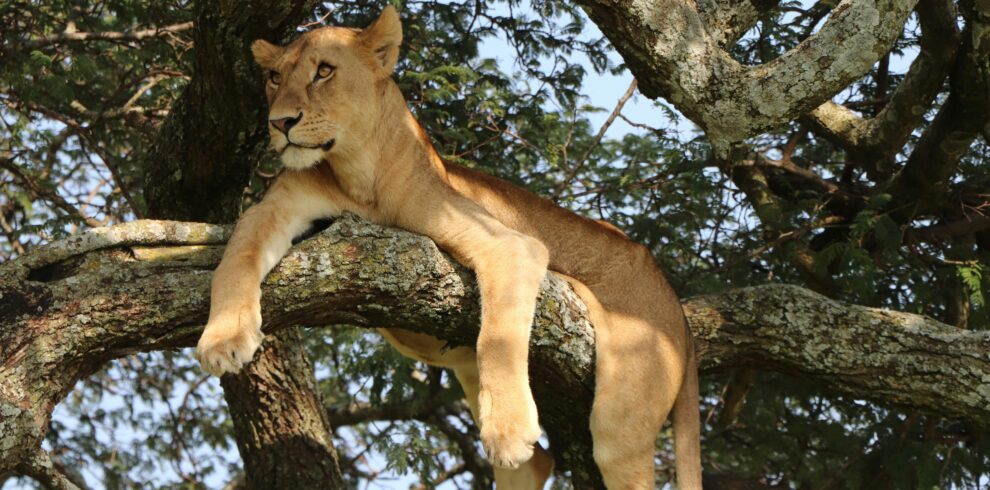
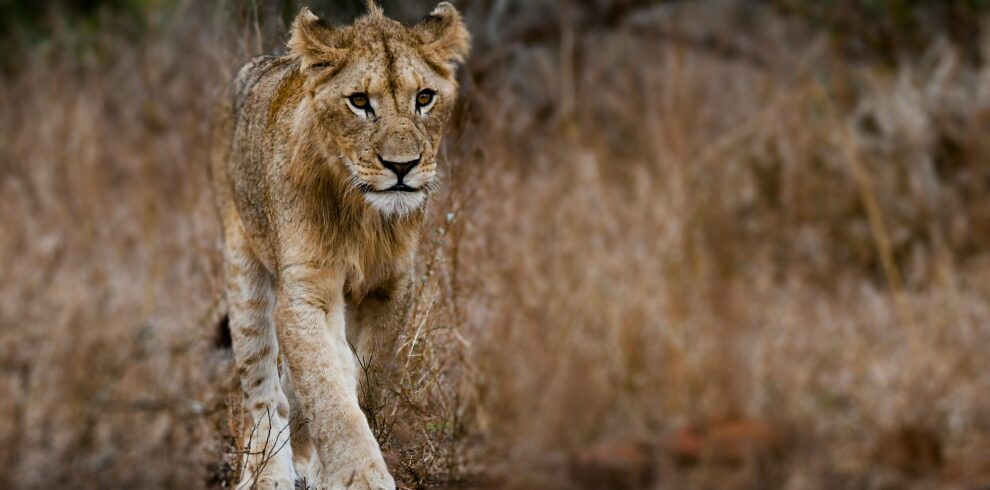
  • Lion monitored by the research team, plus cheetah, elephant, Grevy’s zebra and Jackson’s hartebeest
  • Around forty rescued chimpanzees at the Sweetwaters sanctuary
  • After dark on private land: aardvark, bushpig, striped hyena and bushbaby

Moderate to Challenging: Five consecutive trekking days at increasing altitude, culminating in a 2.5–3.5-hour pre-dawn summit climb. No technical skill is needed — this is a walk, not a climb — but a fair standard of fitness matters. We recommend eight to twelve weeks of preparation: stair sessions, loaded weekend walks, and a habit of drinking more water than seems reasonable.

On the mountain: Daily walking of 4–7 hours with a light daypack; porters carry everything else. Huts are dormitory-style with long-drop toilets; hot showers exist only at base.

The safari days: Deliberately gentle — seated game drives, boardwalks and a feeding platform, built as recovery.

Please note: Your travel insurance must cover trekking to 5,000 metres; we will confirm this at booking, along with the emergency evacuation cover arranged for the expedition.

What to Pack

Mountain Kit

  • Broken-in waterproof boots — new boots are the one genuinely dangerous item on this trip
  • Thermal base layers, a mid-fleece and a down jacket (summit dawns run well below freezing with wind chill)
  • Waterproof shell, warm gloves, beanie and a buff or balaclava
  • Headlamp plus spare batteries — the single most important item on summit night
  • Trekking poles (rentable in Nanyuki), 2–3 litres of water capacity, and high-energy snacks you actually like
  • A 3–4 season sleeping bag (rentable), small towel, wet wipes and a blister kit — washing water is scarce above base
  • Cat. 3–4 sunglasses and high-SPF sunscreen; equatorial UV at altitude is unforgiving

Safari Kit

  • Earth-toned casual clothing for Ol Pejeta — olive, sand, stone
  • Light long sleeves for evenings, brimmed hat, DEET repellent
  • Binoculars and a camera with a 200mm+ lens for the recovery days

Health & Wellbeing

  • Malaria prophylaxis — consult your GP or travel clinic before travel
  • Personal medication plus a compact first-aid kit; guides carry a fuller expedition kit
  • Hand sanitiser and wet wipes for the trail
  • Travel insurance certificate confirming 5,000m trekking cover

Documents & Admin

  • Passport valid six months beyond your travel dates
  • Kenya eTA — apply at etakenya.go.ke at least two weeks out
  • Copies of all booking confirmations
  • Note the split-luggage system: one 15kg duffel goes up the mountain with the porters; the safari bag stays in storage at base until Day 6

Frequently Asked Questions

Do I need a visa to enter Kenya?

Yes. Most nationalities require an Electronic Travel Authorisation (ETA). Apply online at etakenya.go.ke at least 2 weeks before travel. The fee is USD 30 for most nationalities.

Meru is one of Kenya’s least-visited major parks — and that’s exactly the point. You’ll rarely share a sighting with another vehicle. The wildlife is equally impressive to more famous parks, and the atmosphere is completely different. It’s safari as it should be.

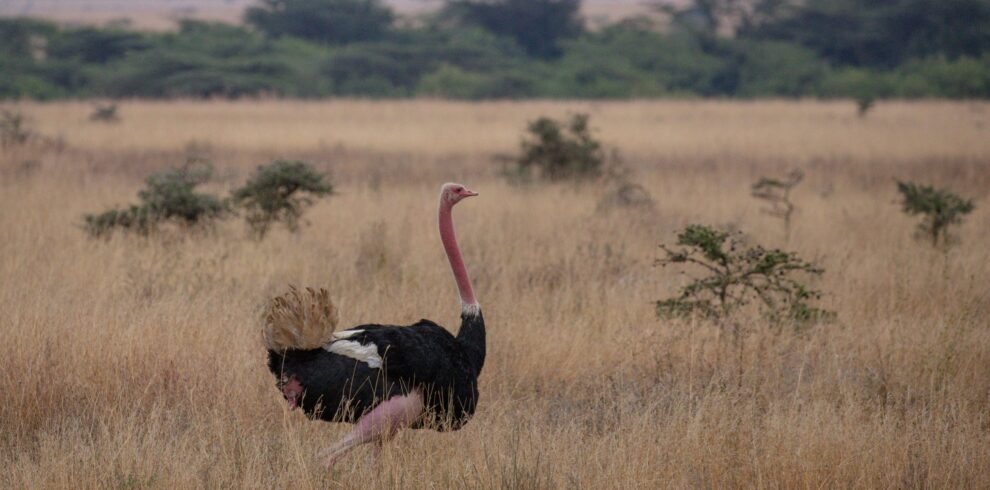
The Samburu Special Five — reticulated giraffe, Grevy’s zebra, gerenuk, Beisa oryx and Somali ostrich — are northern species not found in Kenya’s southern parks. They’re endemic to the arid north, making Samburu the only place in Kenya to reliably spot all five.

Yes — Ol Pejeta offers guided close-up encounters with Najin and Fatu, the world’s last two northern white rhinos. This is one of the most extraordinary wildlife experiences in Africa. Numbers are limited and advance booking is essential.

Nanyuki sits at around 1,900m altitude, so mornings and evenings can be genuinely cool, especially compared to Samburu or Meru. Pack a warm fleece or light jacket — you’ll thank yourself on early-morning drives.

Exceptional. Meru has over 300 species, Samburu over 450, and Ol Pejeta is equally rich. If you’re a birder, let us know and we’ll tailor the guiding accordingly.

Most light aircraft restrict luggage to 15kg (33lbs) in a soft-sided bag only — no rigid suitcases. This is a firm weight limit. All camps have laundry facilities so packing light is easy.

Yes. Game drives are suitable for all ages. Guided walks and rhino encounters are recommended for children aged 10 and above. Let us know in advance and we’ll adjust the pace and activities to suit your family.

The Kenyan Shilling (KES). USD is widely accepted at lodges and for tipping. Carry some cash for smaller purchases. ATMs are available in Nairobi and Nanyuki town.

Absolutely — this is our starting point, not a fixed route. We can add nights, swap lodges, combine with the Masai Mara or the coast, or build in specific experiences. Just tell us what you want and we’ll make it happen.

You can send your enquiry via the form below.

8 Days Mount Kenya Trek to Point Lenana & Ol Pejeta Safari Summit & Safari Itinerary

Destination Type

Amboseli (5 Trips)

Chalbi Desert (1 Trip)

Diani Beach (2 Trips)

Kirisia Hills (1 Trip)

Lake Baringo (1 Trip)

Lake Bogoria (1 Trip)

Lake Naivasha (1 Trip)

Lake Turkana (1 Trip)

Marsabit (1 Trip)

Masai Mara (4 Trips)

Mathews Range (1 Trip)

Milgis Lugga (1 Trip)

Mount Kenya (1 Trip)

Activity Type