789 Inner Lane, Holy park, California, USA
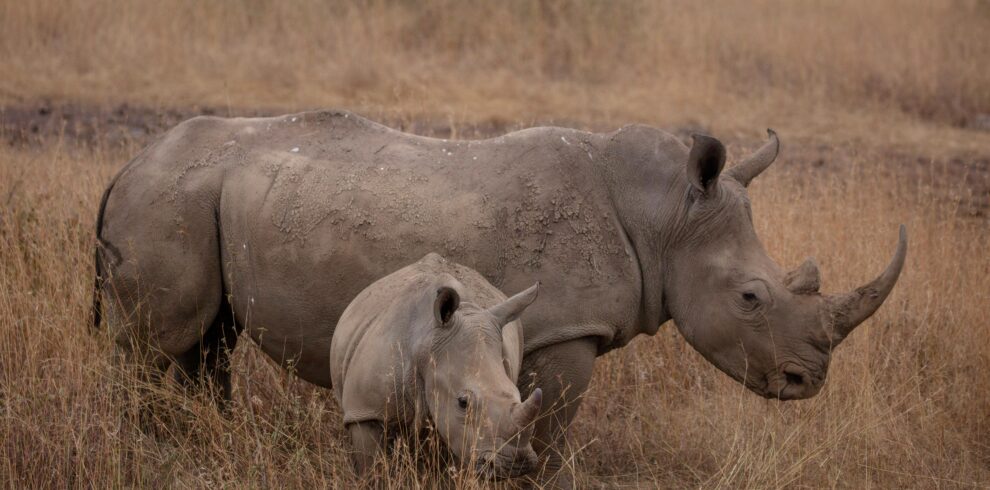
Kenya’s safari map divides into two wild halves, and most trips never attempt both. This one refuses to pick a side. Head north first to Samburu, where the land turns rust-red and dry-country species found nowhere else in southern Kenya gather along a palm-lined river. Then drop south to Ol Pejeta — 90,000 private acres carrying East Africa’s biggest black rhino population, and the final two northern white rhinos in existence. Finish in the Masai Mara, the grassland every safari documentary was built on. Three flights, three landscapes, six nights — and barely a repeated sighting between them. For travellers who would rather collect whole ecosystems than revisit one, this is the week that covers the country.
| Duration | 7 days / 6 nights |
| Destinations | Nairobi → Naivasha → Elementaita → Nakuru → Bogoria → Nairobi |
| Travel Style | Scenic road safari — private 4x4 with driver-guide |
| Activity Level | Easy to Moderate |
| Best Season | Jun – Oct & Jan – Mar (Dry, best conditions) | Nov – Dec (Green & bird-rich) |
| Ideal For | Photographers, birders, families, active travellers & Mara combinations |
Your driver-guide collects you from JKIA or your Nairobi hotel in the morning, and within the hour the road begins to climb through tea country toward the escarpment. At the famous viewpoint, the ground simply stops: a mile-deep crack of green and ochre running to the horizon. Your first photograph of the trip writes itself.
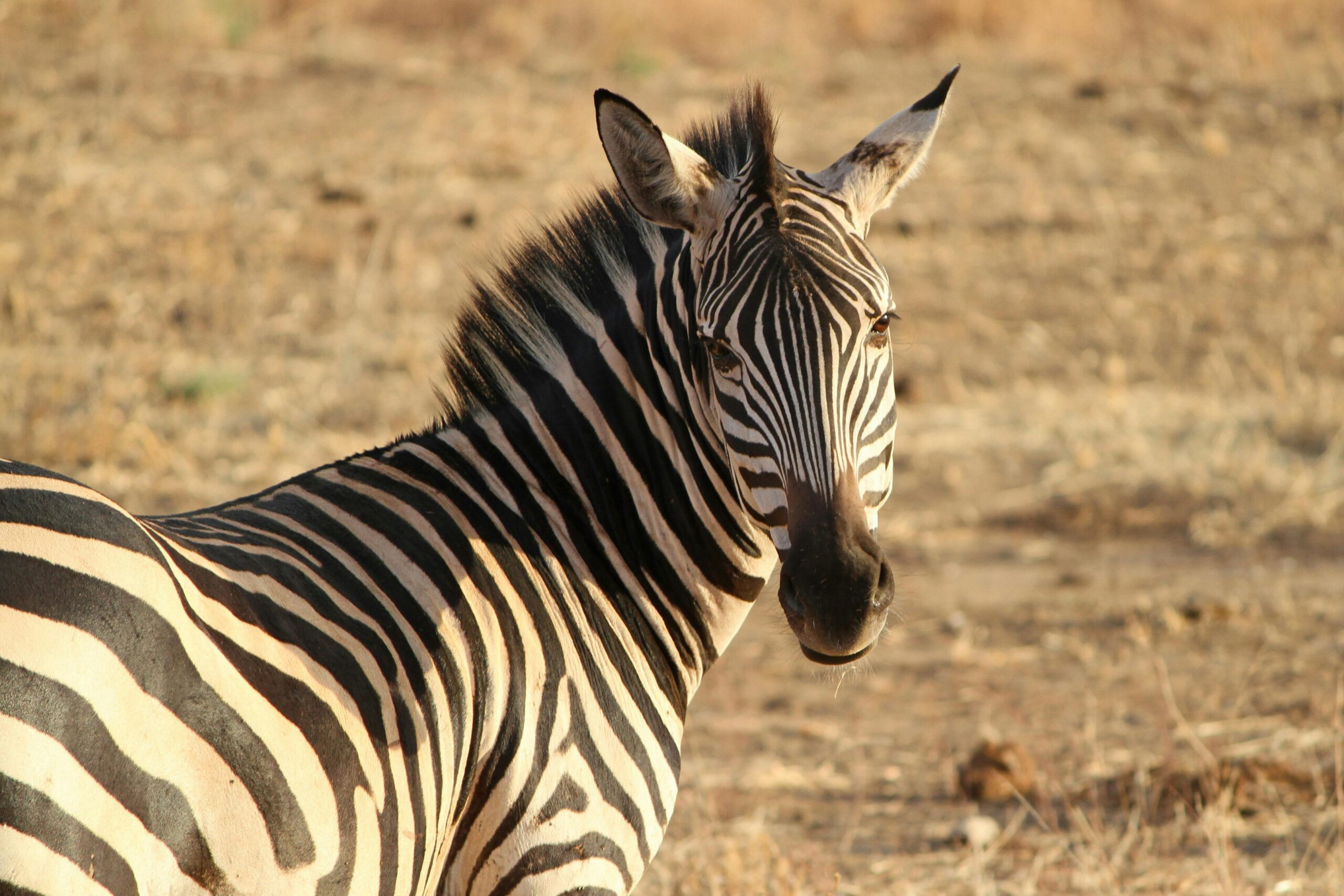
Drop onto the valley floor and continue to Naivasha for lunch. In the afternoon, choose how to meet Hell’s Gate — on two wheels, riding past zebras, Coke’s hartebeest and giraffe beneath the stone towers, or seated in the vehicle through the same country. Fischer’s Tower and the geothermal steam of Olkaria make the terrain feel borrowed from another planet.
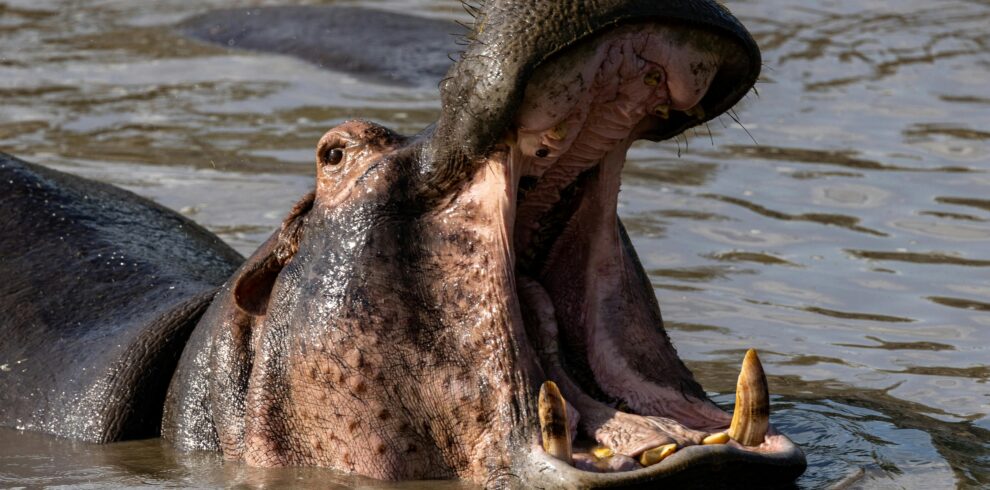
Return to the lodge for sundowners as the hippos on the lake begin their evening chorus.
Overnight: Chui Lodge (Luxury) / Lake Naivasha Sopa Resort (Mid-Luxury).
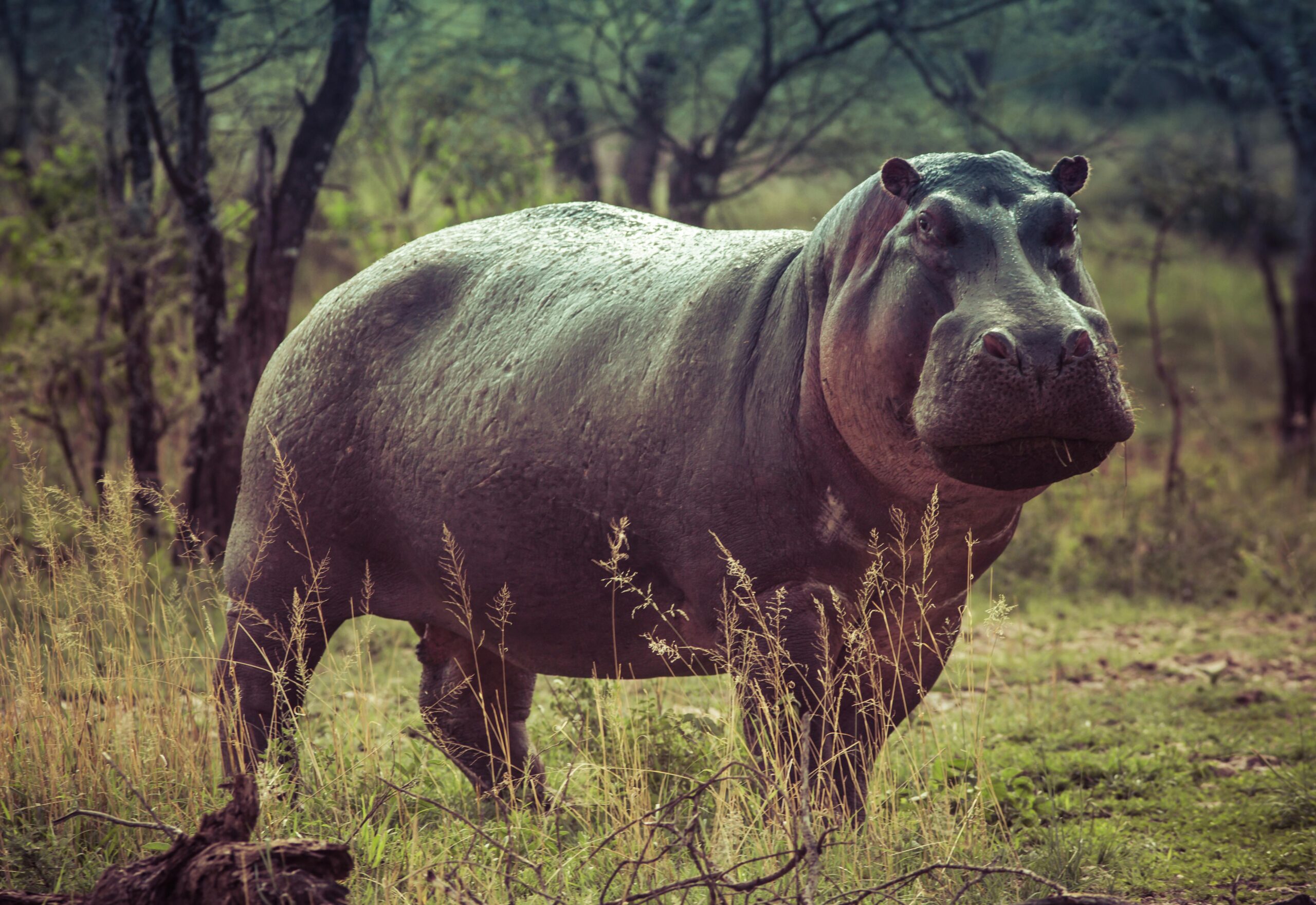
Set out mid-morning for the boat safari — drifting past drowsing hippo pods, herons pinned to the papyrus, and the resident fish eagles, one of which will stoop for a fish your skipper flicks onto the water. It never misses, and neither will your camera.
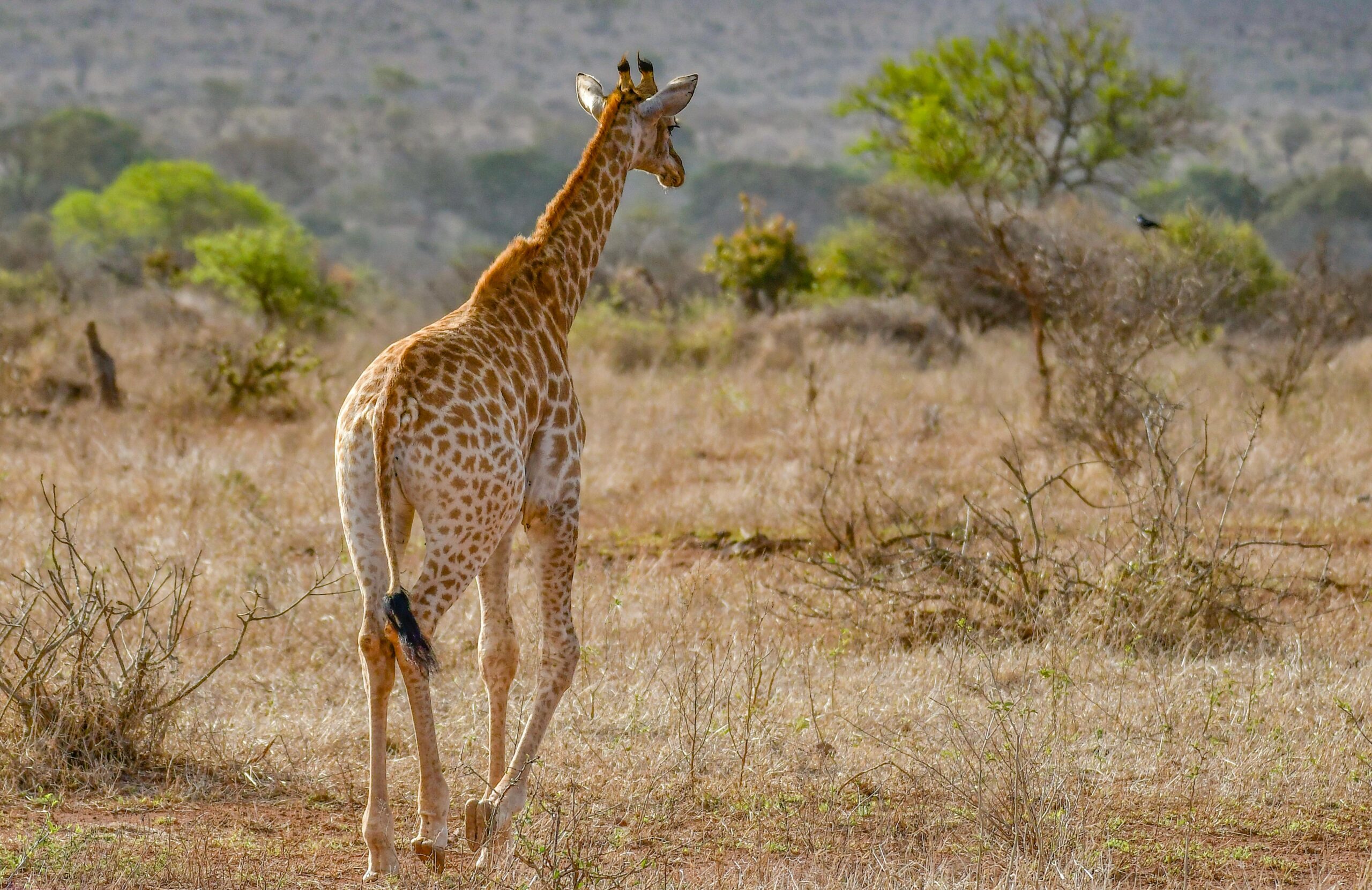
Land on Crescent Island, a sanctuary with no large predators, where you walk on foot among giraffe, zebra and wildebeest — the rarest thing in safari, a giraffe photographed at eye level.
The afternoon is yours, with options: tea on the lawn at Elsamere, the lakeside home of Joy Adamson of Born Free; the green, crater-ringed waters of Crater Lake sanctuary; a horseback ride along the ranch shoreline; or simply the pool, the hide at the waterhole and a book.
Overnight: Chui Lodge (Luxury) / Lake Naivasha Sopa Resort (Mid-Luxury).
A leisurely breakfast, then a short drive north to Lake Elementaita — a shallow soda lake framed by acacia woodland and the pyramid silhouette of the Sleeping Warrior hill.
Settle in over lunch, then take to Soysambu Conservancy on an afternoon drive: Rothschild’s giraffe threading through the yellow-barked acacias, buffalo, waterbuck and troops of colobus monkeys, their black-and-white tails hanging like flags.
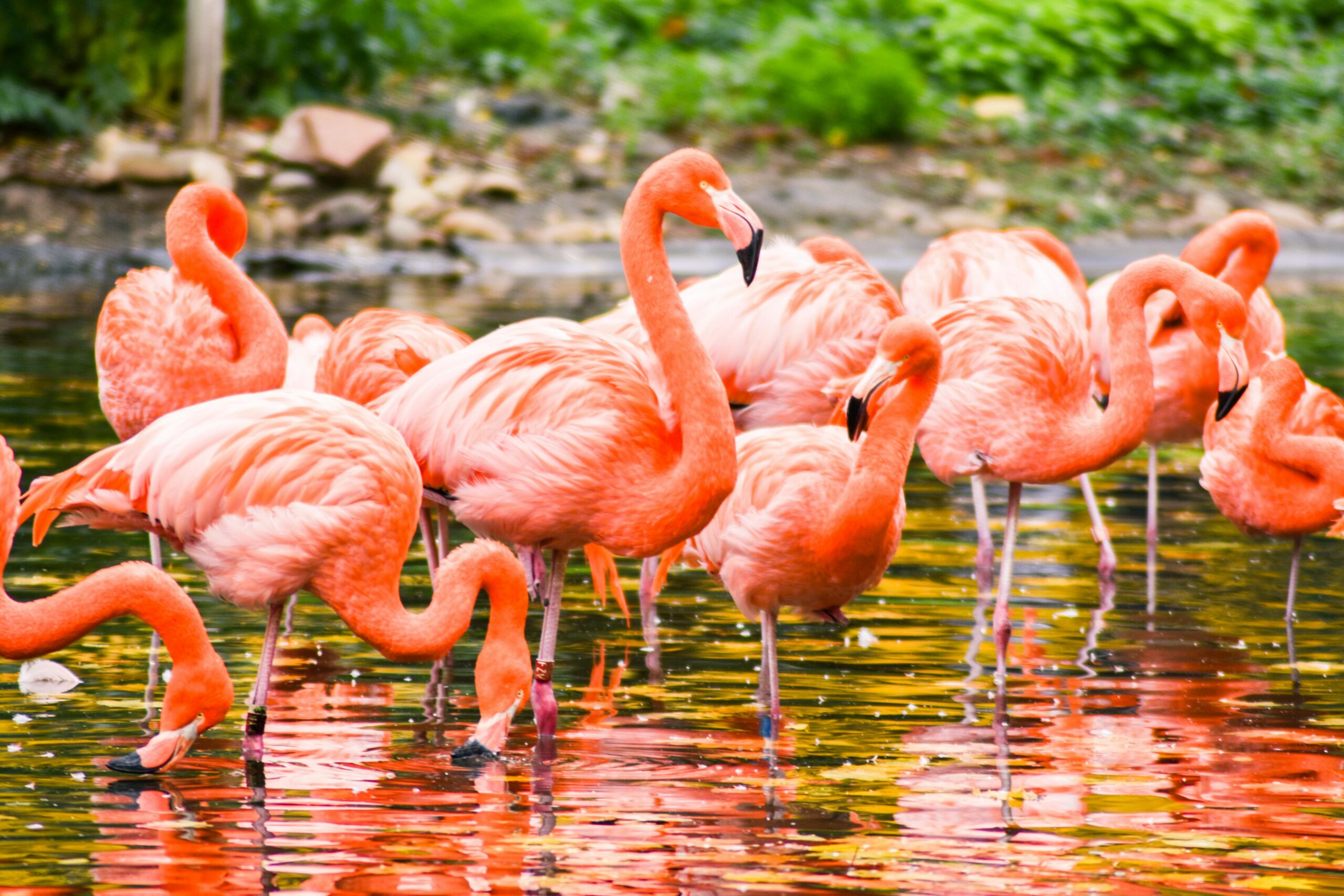
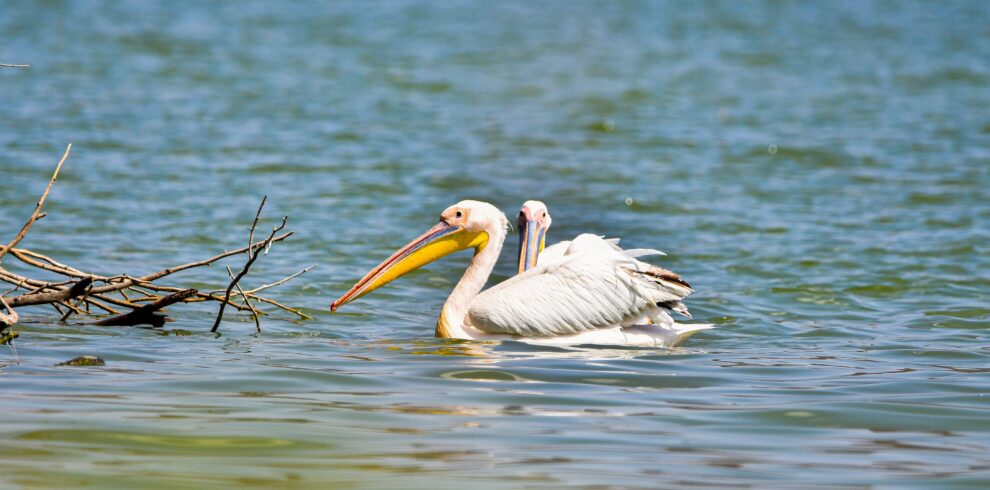
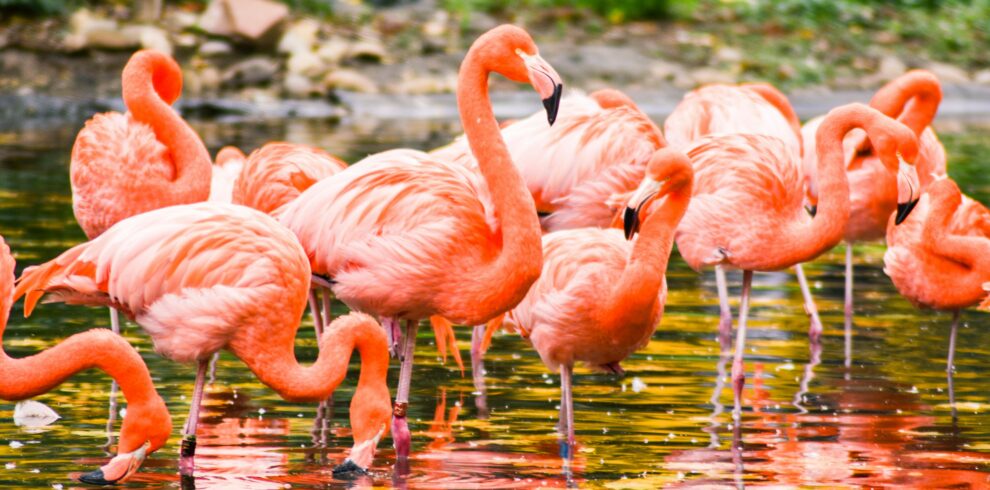
As the day cools, walk down toward the shoreline with your guide, keeping a respectful distance as tens of thousands of lesser flamingos and pelicans work the algae-rich shallows. When the light drops low, the flats turn to pewter and the hill to bronze — stay for it.
Overnight: Sleeping Warrior Camp (Luxury) / Lake Elementaita Serena Camp (Mid-Luxury).
A short hop north brings you through the Kekopey hot springs at the lake’s southern end and up into Lake Nakuru National Park — the valley’s most guarded stronghold, and one of the most reliable places in Kenya to encounter both rhinoceros species.
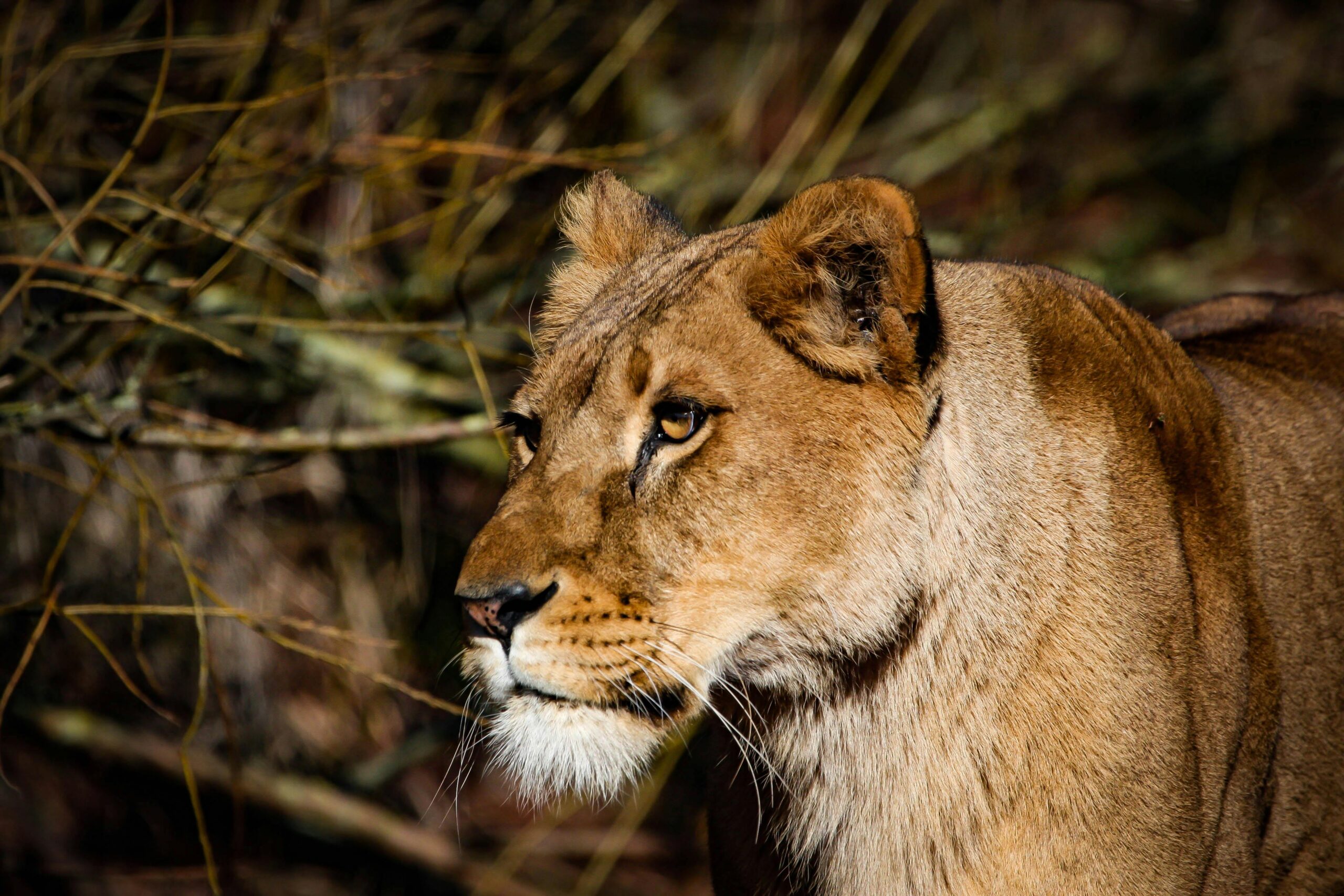
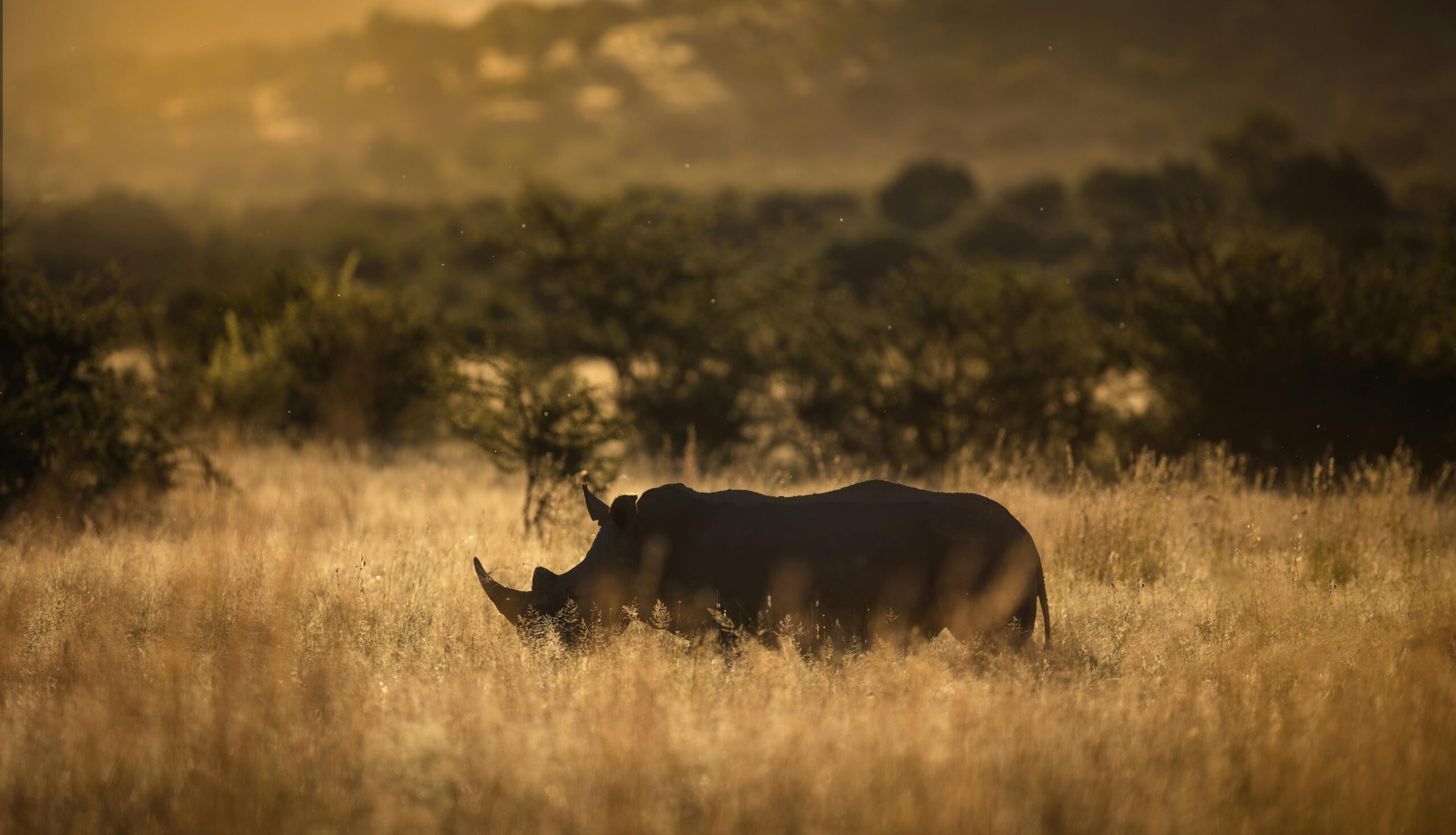
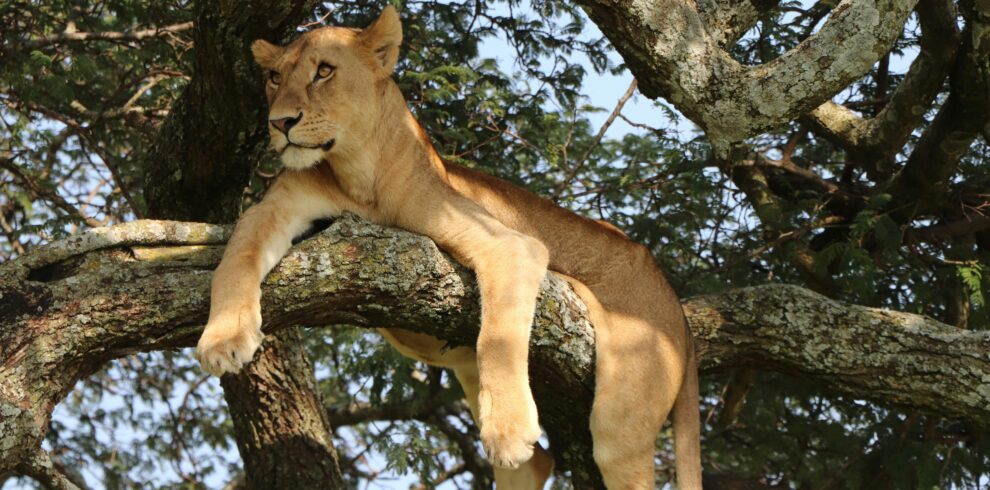
Settle into The Cliff, then head straight out on an afternoon game drive across the park’s rising ground: white rhino grazing the open flats, Rothschild’s giraffe among the acacias, lions — sometimes resting up a tree — and leopard territory in the riverine forest along the Njoro.
End the day back at the lodge with the valley turning copper from the pool’s edge, rhinos drinking on the shore far below.
Overnight: The Cliff (Luxury) / Sarova Lion Hill Game Lodge (Mid-Luxury).
Out at first light with a picnic breakfast, climbing toward the park’s great lookouts — Baboon Cliff, Lion Hill — where the soda lake spreads silver and pink beneath you.
Nakuru rewards the unhurried: spotted hyena on the flats, jackals trotting the tracks, waterbuck and impala in the grass, and Makalia Falls pouring over its rock lip at the park’s southern end.
A word on the flamingos: their numbers swing with water levels and algae blooms, and where a million once stood there may today be ten thousand — or a hundred thousand. Your guide will know where the pink currently is, and the route flexes to find it. Either way, the birds — 450 species and counting — rarely leave anyone short.
Afternoon: a second full game drive or a slow birding circuit, then the rim-edge pool at The Cliff for your final valley sundowner.
Overnight: The Cliff (Luxury) / Sarova Lion Hill Game Lodge (Mid-Luxury).
Drive north through steadily wilder country — farmland giving way to thorn scrub and the red cliffs of the Kerio escarpment — to Lake Bogoria National Reserve, arriving for lunch.
This is the valley at its most primeval. Boiling springs bubble along the western shoreline and geysers jet metres into the air, while up to a million lesser flamingos — when the water chemistry sends them here — crowd the shallows in a pink fringe visible from far off.
Walk the geyser flats in the late afternoon with a ranger, keeping to the marked ground: the springs are genuinely boiling, and the reserve enforces a safe distance. Greater kudu watch from the slopes above, caracal and klipspringer hide in the rocks, and the water itself is too saline for fish — which is why no crocodile has ever claimed it.
Return to the resort for a hot-spring-warmed soak or spa treatment before dinner.
Overnight: Lake Bogoria Spa Resort (Luxury suites / Mid-Luxury standard rooms — this night is shared by both tiers).
After breakfast, turn south for the drive back down the valley — roughly six hours with stops, much of it through scenery worth watching rather than sleeping through.
Lunch en route, with the option of a transit drive through Lake Nakuru National Park if morning sightings felt unfinished. Reach Nairobi by late afternoon, in time for an evening flight or — our recommendation — one more night in the city, arranged for you.
The geysers cool, the flamingos move on, and the road climbs back out of the valley. But the Rift has a way of pulling people back.
Chui Lodge (Kedong Ranch, above Lake Naivasha) A private hideaway on the 18,000-acre Kedong Ranch, minutes from Naivasha yet a world apart. Stone-and-thatch cottages face a busy waterhole with a sunken hide for close viewing, and evenings end around the fire pit beneath yellow-barked acacias.
Sleeping Warrior Camp (Lake Elementaita) A small, characterful camp at the foot of the pyramid hill whose profile gives it the name. From the mess tent the soda flats run out to the flamingo feeding grounds; behind rise the ridges of Soysambu Conservancy. Rustic-luxe, romantic and quietly owned.
The Cliff (Lake Nakuru National Park) Ten rooms set into a sheer rock face 100 metres above the lake, joined by an infinity pool that appears to pour over the escarpment. Rhino and buffalo move along the shoreline far below at dusk. Arguably the most scenically located lodge in the valley.
Lake Naivasha Sopa Resort (Lake Naivasha) Thatched rooms set in broad gardens that roll down to the water, where giraffe sometimes graze the lawns at first light. A pool, generous verandas and an easy base for the boat, Crescent Island and Hell’s Gate.
Lake Elementaita Serena Camp (Lake Elementaita) A tented camp on the lake’s western shore under mature fever trees, with flamingo-filled views from the dining deck and game drives into Soysambu Conservancy from the gate.
Sarova Lion Hill Game Lodge (Lake Nakuru National Park) A long-standing favourite on a ridge inside the park, its chalets tucked into the trees above the water. Hearty buffet dining, a pool and wildlife on the access tracks from the moment you enter the gate.
Lake Bogoria Spa Resort (Lake Bogoria) The valley’s only spa hotel, its pool fed by natural hot springs on the reserve’s doorstep. For the Bogoria night both tiers stay here — luxury guests in the suites, mid-tier in the standard rooms — because nothing else exists like it in the region.
Alternates on request: Enashipai Resort & Spa (Naivasha) · Sunbird Lodge (Elementaita) · Flamingo Hill Camp (Nakuru).
June – October: Cool mornings, dry tracks and thin vegetation — the strongest conditions for wildlife and for the geyser walk. July–October is busier at Nakuru but still far quieter than the Mara.
January – March: Warm, dry and clear. Historically the most reliable months for big flamingo gatherings, with superb light for photography across all four lakes.
November – December: The short rains green the valley and fill it with migrant birds. Game viewing needs a little more patience; the landscapes and skies repay it. Rates dip.
April – May: The long rains. Sections of track deteriorate and some properties close. Not the right window for this route.
Lake Naivasha & Hell’s Gate
Lake Elementaita / Soysambu Conservancy
Lake Nakuru National Park
Lake Bogoria National Reserve
Easy: All game drives, the boat safari and spa time — seated, gentle and open to every age.
Easy–Moderate: The Crescent Island and shoreline walks — flat ground at an unhurried pace; cycling in Hell’s Gate — 6–9km on level gravel with a ranger escort and vehicle support, fully optional.
Moderate: The Ol Njorowa gorge walk — sand, scrambling and heat, ranger-guided and closed without notice whenever rain threatens the upper catchment.
Please note: Park rules prohibit walking outside designated zones; every foot excursion on this route happens where it is formally permitted.
Clothing
Safari Essentials
Health & Wellbeing
Documents & Admin
Yes. Most nationalities require an Electronic Travel Authorisation (ETA). Apply online at etakenya.go.ke at least 2 weeks before travel. The fee is USD 30 for most nationalities.
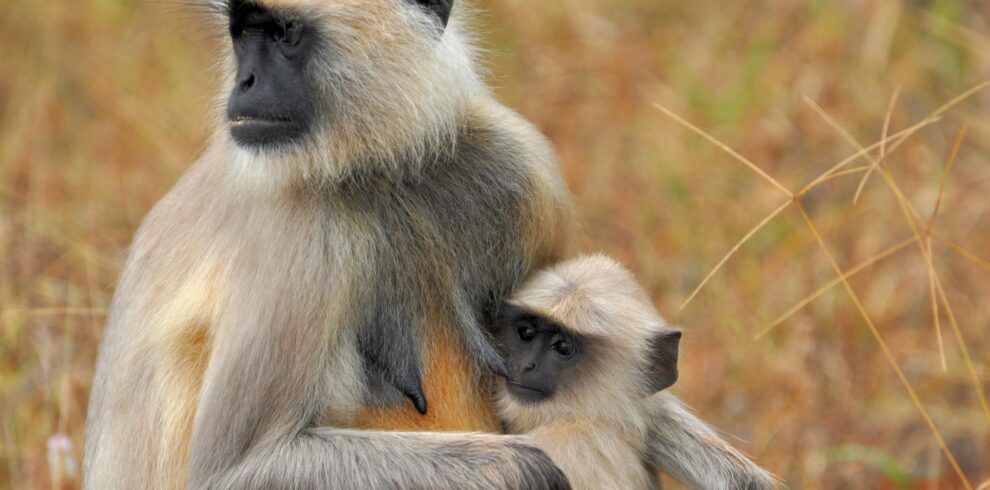
Meru is one of Kenya’s least-visited major parks — and that’s exactly the point. You’ll rarely share a sighting with another vehicle. The wildlife is equally impressive to more famous parks, and the atmosphere is completely different. It’s safari as it should be.
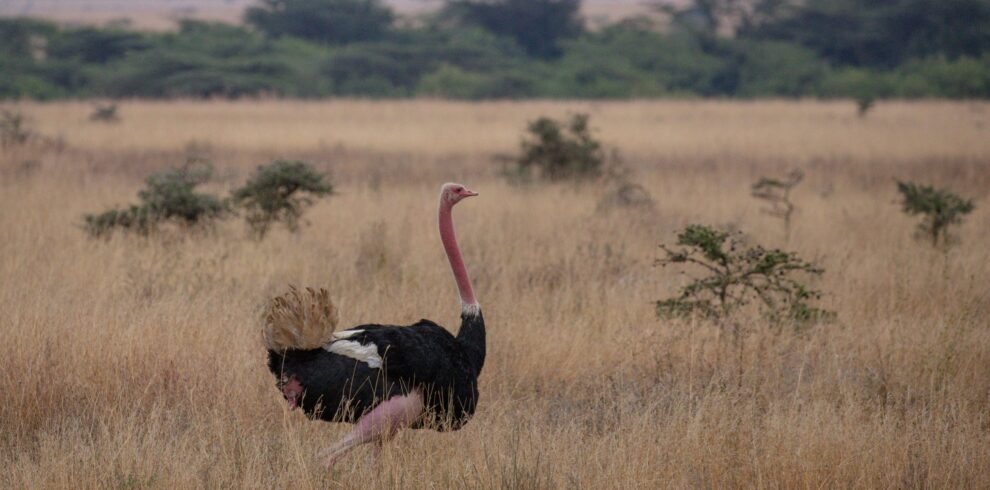
The Samburu Special Five — reticulated giraffe, Grevy’s zebra, gerenuk, Beisa oryx and Somali ostrich — are northern species not found in Kenya’s southern parks. They’re endemic to the arid north, making Samburu the only place in Kenya to reliably spot all five.
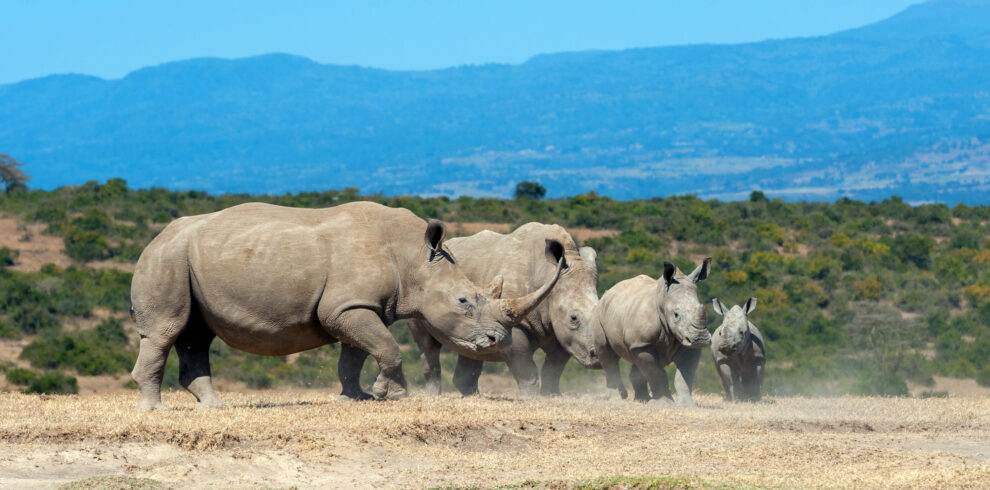
Yes — Ol Pejeta offers guided close-up encounters with Najin and Fatu, the world’s last two northern white rhinos. This is one of the most extraordinary wildlife experiences in Africa. Numbers are limited and advance booking is essential.
Nanyuki sits at around 1,900m altitude, so mornings and evenings can be genuinely cool, especially compared to Samburu or Meru. Pack a warm fleece or light jacket — you’ll thank yourself on early-morning drives.
Exceptional. Meru has over 300 species, Samburu over 450, and Ol Pejeta is equally rich. If you’re a birder, let us know and we’ll tailor the guiding accordingly.
Most light aircraft restrict luggage to 15kg (33lbs) in a soft-sided bag only — no rigid suitcases. This is a firm weight limit. All camps have laundry facilities so packing light is easy.
Yes. Game drives are suitable for all ages. Guided walks and rhino encounters are recommended for children aged 10 and above. Let us know in advance and we’ll adjust the pace and activities to suit your family.
The Kenyan Shilling (KES). USD is widely accepted at lodges and for tipping. Carry some cash for smaller purchases. ATMs are available in Nairobi and Nanyuki town.
Absolutely — this is our starting point, not a fixed route. We can add nights, swap lodges, combine with the Masai Mara or the coast, or build in specific experiences. Just tell us what you want and we’ll make it happen.