789 Inner Lane, Holy park, California, USA
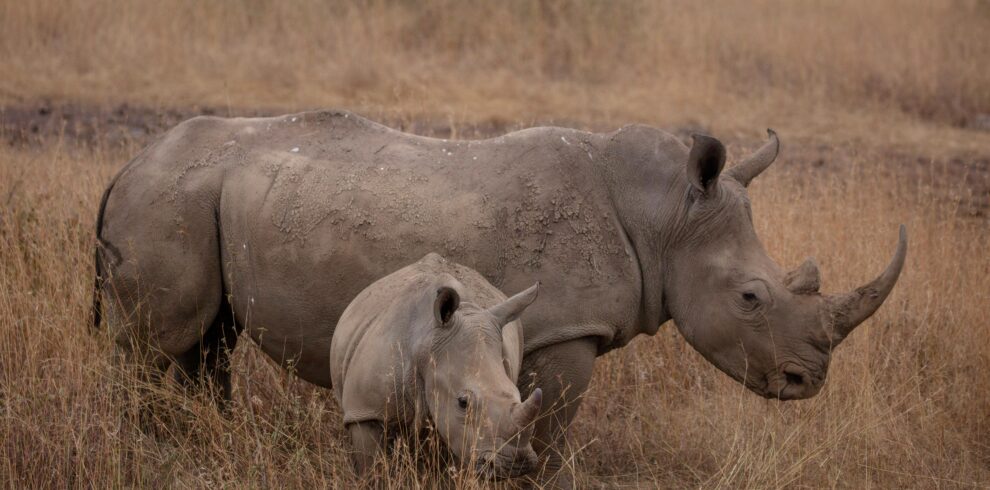
Rhinoceros are the reason for this trip. The waterfalls are the surprise. This route threads together three private and protected corners of central Kenya where the black rhino was rescued from the brink — and wraps them inside the moors, forests and waterfalls of the Aberdare Range. You begin aboard The Ark, a ship-shaped tree lodge moored beside a floodlit waterhole where elephant and rhino drink through the night while you watch from three decks down. Then comes Solio, the quiet ranch that effectively saved Kenya’s black rhino: it bred the animals that restocked the country’s parks, and today its seventeen thousand acres carry one of the densest rhino populations on the continent, all against the white teeth of Mount Kenya. You finish at Ol Pejeta, walking to within a few metres of Najin and Fatu — the only two northern white rhinos left anywhere. Between them: a 273-metre waterfall, Afro-alpine moorland where lobelias stand taller than a person, and a country that changes accent every hundred kilometres. Travel is by private 4×4 the whole way — no airstrips, no baggage scales, no hurry.
| Duration | 6 days / 5 nights |
| Destinations | Nairobi → Aberdare National Park → Solio → Ol Pejeta → Nairobi |
| Travel Style | Private road safari — own 4x4 & driver-guide |
| Activity Level | Easy to Moderate |
| Best Season | Jun – Oct & Jan – Feb (Dry, firm tracks) | Nov – Dec (Fuller falls, greener slopes) |
| Ideal For | Conservation-minded travellers, photographers, multi-generational families & rhino devotees |
Your driver-guide collects you from JKIA or your Nairobi hotel after breakfast, and the road climbs steadily north — past the pineapple fields of Thika and the tea ridges above Sagana, where the Tana River flashes silver far below. Lunch is served at the Aberdare Country Club, on a sanctuary slope where giraffe drift between the acacias and the golf fairways double as game paths.
Early afternoon, your park vehicle carries you up through the forest belt and into the park itself — the air cooling, the trees thickening, colobus monkeys flashing through the canopy. By late afternoon you are aboard The Ark, high above the waterhole, with the first buffalo already milling at the mud.
Dinner is served with the buzzer beside your plate. When the floodlights pick out a rhino — or, if the night is generous, a leopard — the dining room empties in seconds. Sleep light: the best sightings here happen after midnight, announced by a bell and a name.
Overnight: The Ark (Luxury) / Aberdare Country Club (Mid-Luxury).
An early start for the day’s grand excursion — a drive up through the Afro-alpine moorland, where the forest opens into a high, silent world of tussock grass and giant lobelia, and the air carries a thickness you’ll feel on the stairs.
The destination is the Aberdares’ secret: the Karuru Falls viewpoint, where the river gathers itself and drops 273 metres in three immense tiers into a green gorge — while directly opposite, Gura Falls pours down the other wall in one long ribbon. Together they form one of the tallest waterfall complexes in Africa, and almost nobody sees it. (For a gentler day, the nearer Chania and Magura Falls offer a shorter option in the forest belt.)
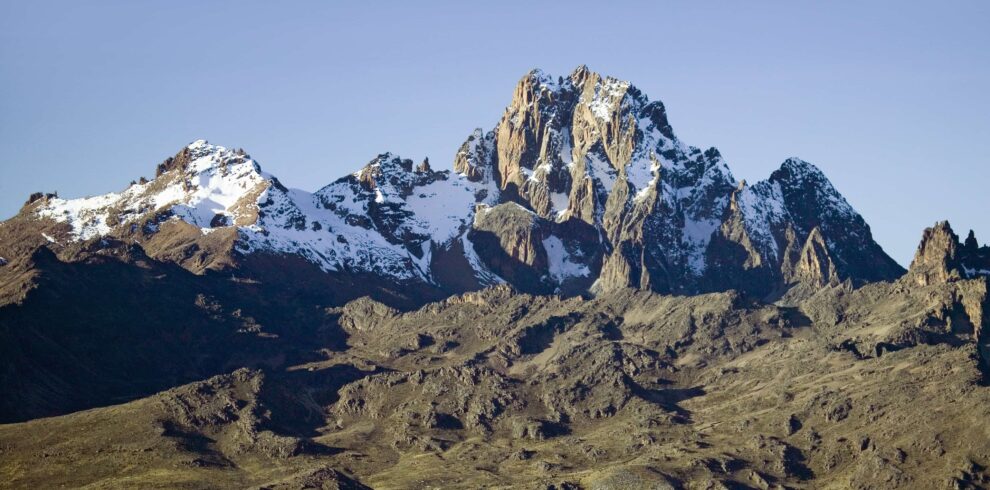
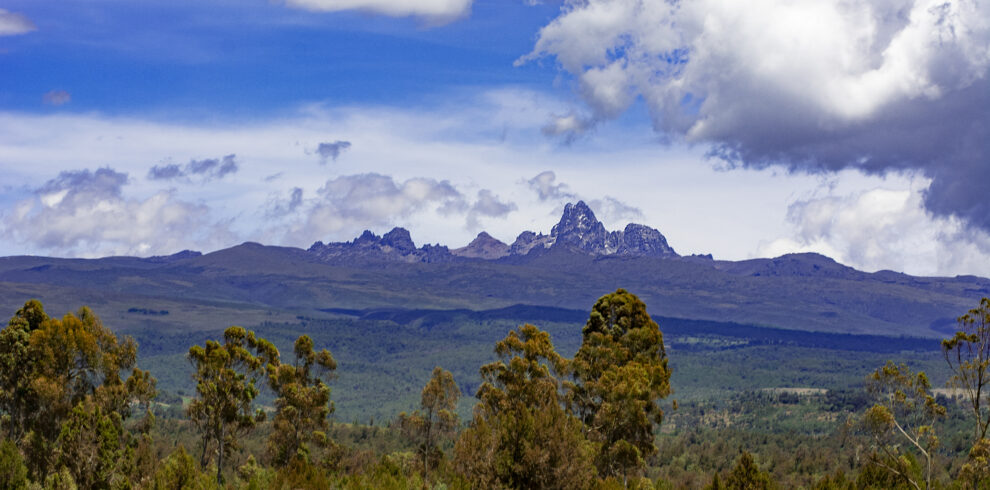
A picnic breakfast or lunch is taken in the park before you descend the western flank, dropping out of the cloud and across the high farmland to Solio — where, if the sky is kind, Mount Kenya announces itself in full above the plains.
Evening at leisure in front of the fire, listening for the first rhino movement on the grass.
Overnight: Solio Lodge (Luxury) / Rhino Watch Lodge (Mid-Luxury).
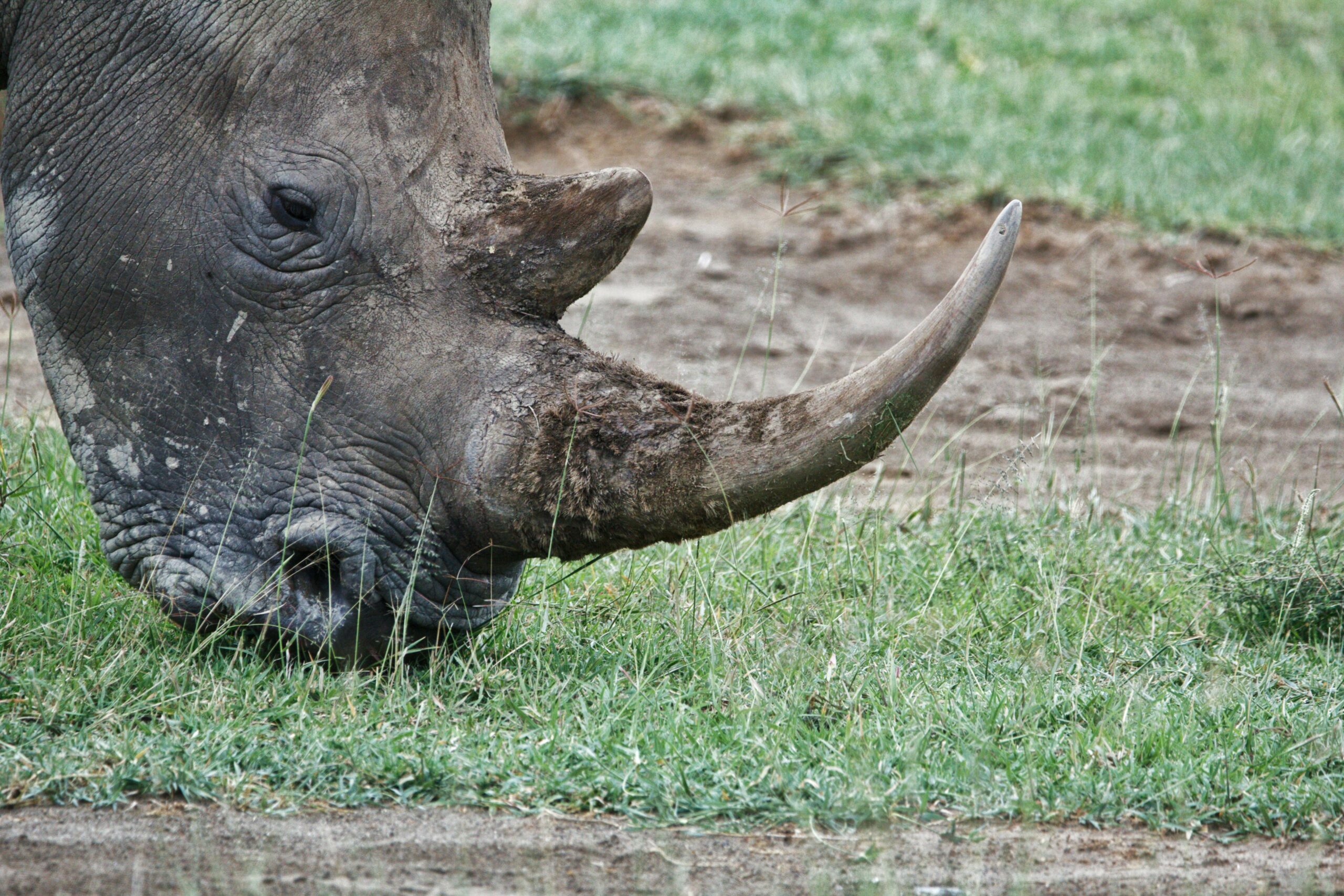
Two drives today, at first light and mid-afternoon, on a reserve that rewrote the story of a species. From 1970 onward, Solio bred black rhino behind its electric fence and sent the surplus to restock parks across Kenya — virtually every rhino in the country’s national parks can trace a line back to this ground.
The result, today, is density: black rhino browsing the fever-tree thickets, white rhino grazing the open pans in crash after crash, mothers with calves of every age class. Your guide reads the grass and the dung heaps like a ledger, and because this is private land with a fraction of a public park’s traffic, the drives go where the light and the animals agree.
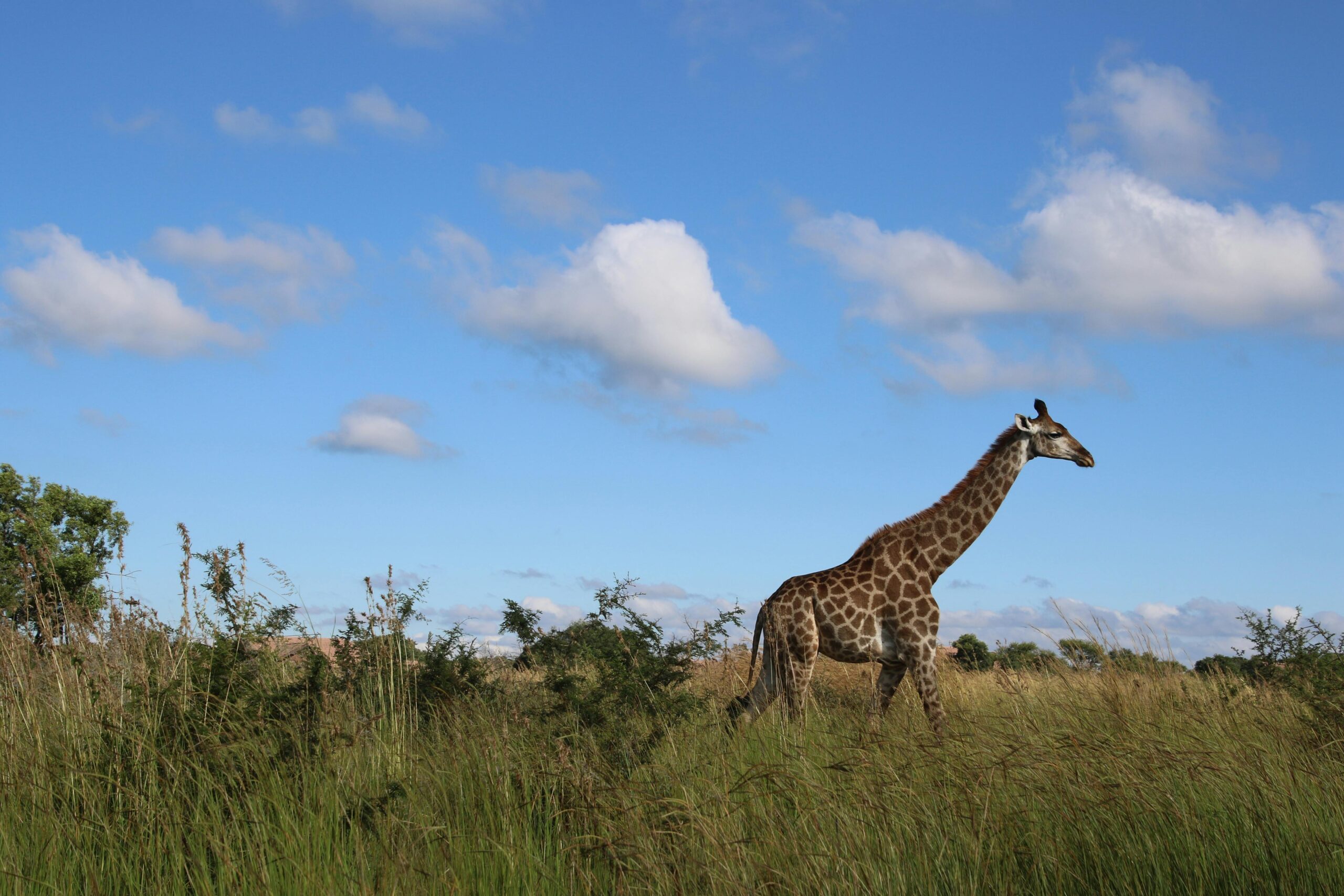
Between them: leopard are regular here, Grevy’s zebra and reticulated giraffe graze the margins, and the honey-coloured light under Mount Kenya at four o’clock has made more than one guest’s career as a photographer.
Overnight: Solio Lodge (Luxury) / Rhino Watch Lodge (Mid-Luxury).
A final early drive on the ranch — the rhinos often graze closest to the tracks before eight — then a late-morning departure east towards Nanyuki, crossing the Equator line on the way in. Stop for the classic demonstration: water swirling opposite ways a pace either side of the line, to universal applause and occasional scepticism. Photographs obligatory.
Enter Ol Pejeta through its northern gate and settle into camp over lunch. Ninety thousand acres of savannah and wooded ravines sit astride the Equator here, carrying East Africa’s largest black rhino population — a fitting next chapter after Solio’s story.
Afternoon: the Endangered Species Enclosure, where you meet Najin and Fatu, kept under the closest guard of any animals on the planet, and then Baraka at his feeding platform — a blind black rhino who takes carrots from your hand and does not accept excuses.
Optional after dinner: a night drive with a red-filtered spotlight, when the conservancy’s shyer residents come out to work.
Overnight: Sanctuary Tambarare (Luxury) / Sweetwaters Serena Camp (Mid-Luxury).
A morning guided walk with an armed ranger — the rare safari pleasure of tracking rhino sign at walking pace, reading tracks, middens and thorn-tree rubbings with someone who has read them all his life.
Midday back at camp, then the Sweetwaters Chimpanzee Sanctuary: from the boardwalk you watch rescued chimps — taken from the pet and bushmeat trades across Africa — in large natural enclosures, each with a name and a history the keepers will happily tell.
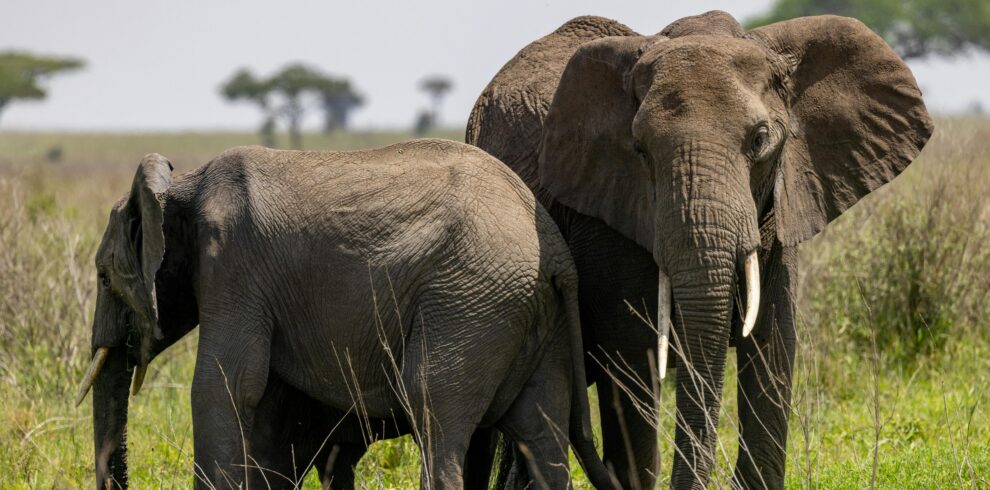
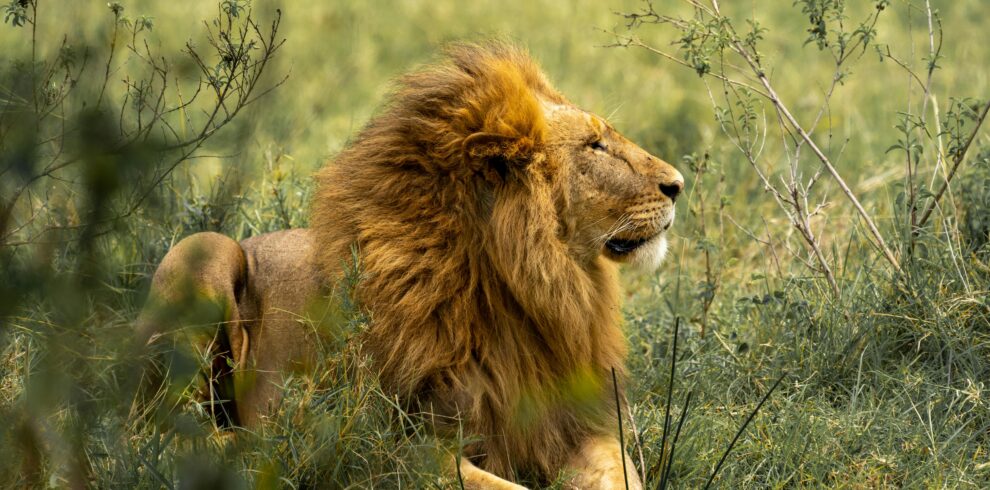
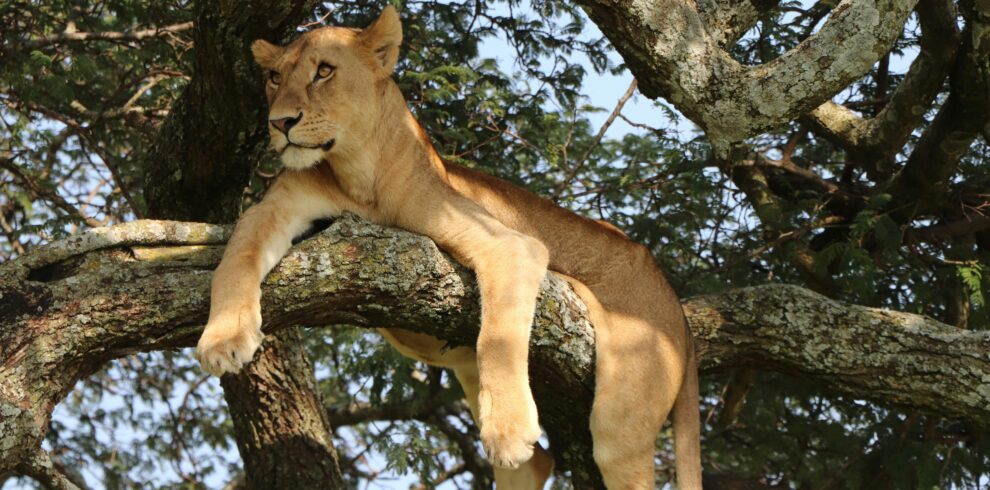
Afternoon drive to the far side of the conservancy: elephant on the plains, lion resting off the night shift, cheetah on the termite mounds, and Jackson’s hartebeest — a Laikipia speciality — standing their ground.
The last evening is yours: a final night drive if last night’s was rained off, or dinner beside the fire with the mountain going violet behind the acacias.
Overnight: Sanctuary Tambarare (Luxury) / Sweetwaters Serena Camp (Mid-Luxury).
A short final drive after breakfast — the conservancy at its quietest hour, with the dew still on the grass and the rhinos already standing in the shade.
Then the road south: down the Nyeri slopes, through the coffee country around Karatina, and onto the highway for Nairobi — a journey of roughly three and a half hours, or longer with an optional detour to Thomson’s Falls at Nyahururu, where the Ewaso Narok drops 74 metres in a single curtain beside the town’s old colonial hotel.
Reach Nairobi by mid-to-late afternoon for onward flights — with a Nairobi day room or an extra night arranged if your departure is an evening one.
By journey’s end you will have stood at three waterfalls, met a species’ last two survivors, watched black rhino mothers shepherd their calves through the fever trees, and slept inside a mountain’s cloud. The rest is just geography.
The Ark (Aberdare National Park) A timber ship beached beside one of the park’s busiest waterholes, with viewing decks, a ground-level bunker and a buzzer at every dinner table that wakes you when something remarkable walks in after dark. Nothing else in Kenya feels like it.
Solio Lodge (Solio Game Reserve) Six glass-fronted cottages lined up beneath Mount Kenya, each looking straight at the snowline. The lodge holds the traversing rights to Solio’s rhino kingdom — dawn drives here happen with barely another set of tyre tracks in sight.
Sanctuary Tambarare (Ol Pejeta Conservancy) A refined tented camp on Ol Pejeta’s eastern grasslands, with the equatorial snows of Mount Kenya on the horizon and the conservancy’s rhinos, elephants and big cats at the gate. Peaceful, polished and close to everything Ol Pejeta does best.
Aberdare Country Club (Mweiga, Aberdare foothills) The grand old clubhouse of the Aberdares — a colonial-era farmhouse on its own wildlife sanctuary, complete with a quirky nine-hole golf course and giraffe crossing the lawns. The natural launch pad for the park above; guests of The Ark lunch here before ascending.
Rhino Watch Lodge (Between Solio & Mount Kenya) A homely, family-run lodge on the slopes between the Aberdares and Mount Kenya, with mountain views from the pool and dedicated game drives into Solio arranged as part of your stay. Warmth, home cooking and rhino expertise.
Sweetwaters Serena Camp (Ol Pejeta Conservancy) The conservancy’s long-standing flagship, pitched at a waterhole that rhino and elephant favour — comfortable tents, a convivial main house and the whole of Ol Pejeta beginning at your veranda.
Alternates on request: Treetops historically holds the royal legend, but for current operations The Ark is our pick · Ol Jogi & Sirikoi (private, on application) · Maisha Sweetwaters.
June – October: The prime window. Tracks are firm, the grass is low, and the highland air is crisp — the Aberdares can be genuinely cold before sunrise. Rhino viewing is excellent across all three properties.
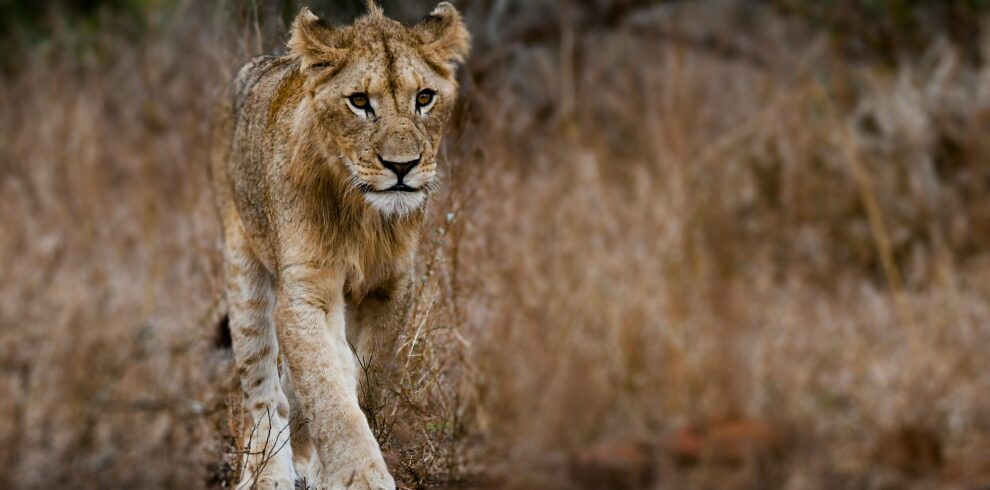
January – February: Warm days and clear mornings, with Mount Kenya most likely to show its full snowline over Solio. Superb light and thinner visitor numbers throughout.
November – December: The short rains. The falls run fuller, the slopes glow green, and birding surges with migrants. Expect showers rather than washed-out days; some moorland tracks need patience.
April – May: The long rains. The moorland becomes difficult and waterfall access can close after heavy rain. Not the right window for this route.
Aberdare National Park
Solio Game Reserve
Ol Pejeta Conservancy
Easy: All game drives, The Ark’s decks and bunker, the sanctuary boardwalk and Baraka’s feeding — seated or strolling, open to every age.
Moderate: The moorland waterfall excursion — vehicle-based, but with short viewpoint walks at 2,500–3,000m where the altitude asks you to slow down. The Ol Pejeta bush walk — gentle ground on foot with an armed ranger.
Optional: Night drives at Ol Pejeta — seated, late hours, cool air. The Equator demonstration — a two-minute stroll and a lifetime of dinner-party material.
Please note: Walking is only permitted where park and conservancy rules allow it; every foot excursion on this route happens inside designated zones.
Clothing
Safari Essentials
Health & Wellbeing
Documents & Admin
Yes. Most nationalities require an Electronic Travel Authorisation (ETA). Apply online at etakenya.go.ke at least 2 weeks before travel. The fee is USD 30 for most nationalities.
Meru is one of Kenya’s least-visited major parks — and that’s exactly the point. You’ll rarely share a sighting with another vehicle. The wildlife is equally impressive to more famous parks, and the atmosphere is completely different. It’s safari as it should be.
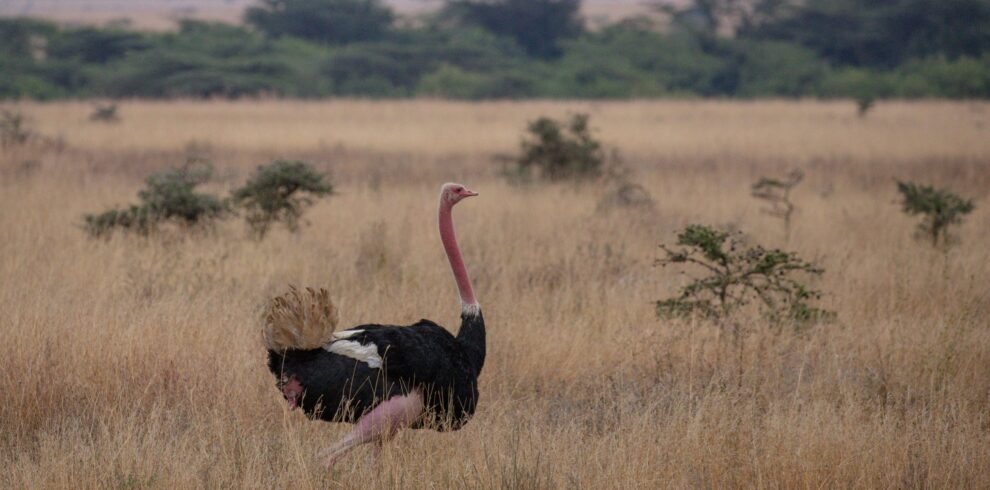
The Samburu Special Five — reticulated giraffe, Grevy’s zebra, gerenuk, Beisa oryx and Somali ostrich — are northern species not found in Kenya’s southern parks. They’re endemic to the arid north, making Samburu the only place in Kenya to reliably spot all five.
Yes — Ol Pejeta offers guided close-up encounters with Najin and Fatu, the world’s last two northern white rhinos. This is one of the most extraordinary wildlife experiences in Africa. Numbers are limited and advance booking is essential.
Nanyuki sits at around 1,900m altitude, so mornings and evenings can be genuinely cool, especially compared to Samburu or Meru. Pack a warm fleece or light jacket — you’ll thank yourself on early-morning drives.
Exceptional. Meru has over 300 species, Samburu over 450, and Ol Pejeta is equally rich. If you’re a birder, let us know and we’ll tailor the guiding accordingly.
Most light aircraft restrict luggage to 15kg (33lbs) in a soft-sided bag only — no rigid suitcases. This is a firm weight limit. All camps have laundry facilities so packing light is easy.
Yes. Game drives are suitable for all ages. Guided walks and rhino encounters are recommended for children aged 10 and above. Let us know in advance and we’ll adjust the pace and activities to suit your family.
The Kenyan Shilling (KES). USD is widely accepted at lodges and for tipping. Carry some cash for smaller purchases. ATMs are available in Nairobi and Nanyuki town.
Absolutely — this is our starting point, not a fixed route. We can add nights, swap lodges, combine with the Masai Mara or the coast, or build in specific experiences. Just tell us what you want and we’ll make it happen.