789 Inner Lane, Holy park, California, USA
Five days. One legendary savannah. Zero time wasted. The Masai Mara is Africa’s most celebrated safari destination — the highest lion density on the continent, cheetah scanning the golden plains from termite mounds, and, between July and October, the greatest wildlife spectacle on Earth: the Great Wildebeest Migration. This itinerary is deliberately simple. One camp. Four nights. No transfers, no repacking, no lost hours — just game drives that begin the moment you step off the plane, with a guide who already knows where the action is. We’ve handled every detail of the logistics so all you have to do is show up and look out the window. This is the Mara at its purest.
| Duration | 5 days / 4 nights |
| Destinations | Nairobi → Masai Mara → Nairobi |
| Travel Style | Fly-in luxury safari |
| Activity Level | Easy to Moderate |
| Best Season | July – October (Migration) | Jan – Feb & Jun (Dry season) |
| Ideal For | Solo travellers, couples, families, photographers & anyone short on time |
Arrive at Jomo Kenyatta International Airport, where a Tribal Adventures representative will meet you and transfer you to Wilson Airport for your morning scheduled flight to the Masai Mara. Wheels up, and within 45 minutes the city has given way to an ocean of grass.
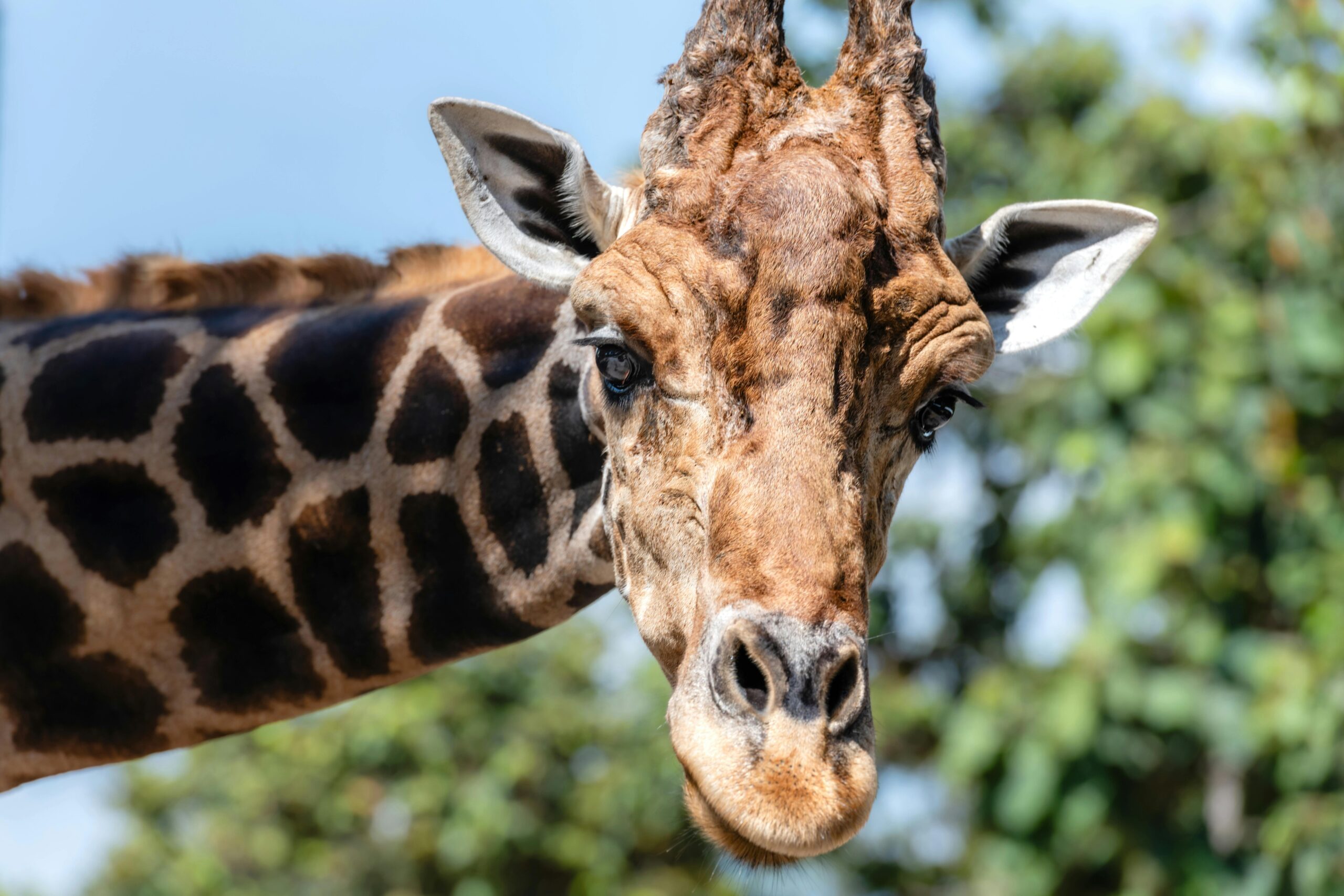
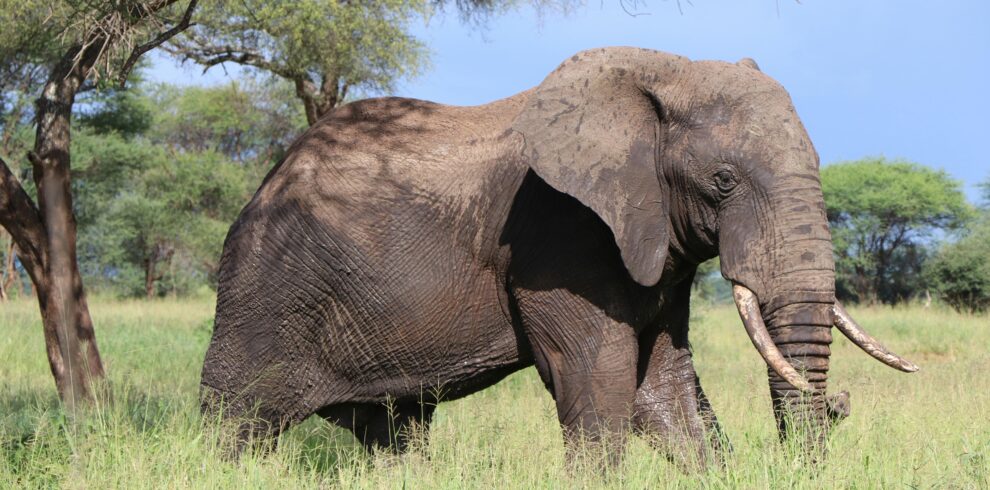
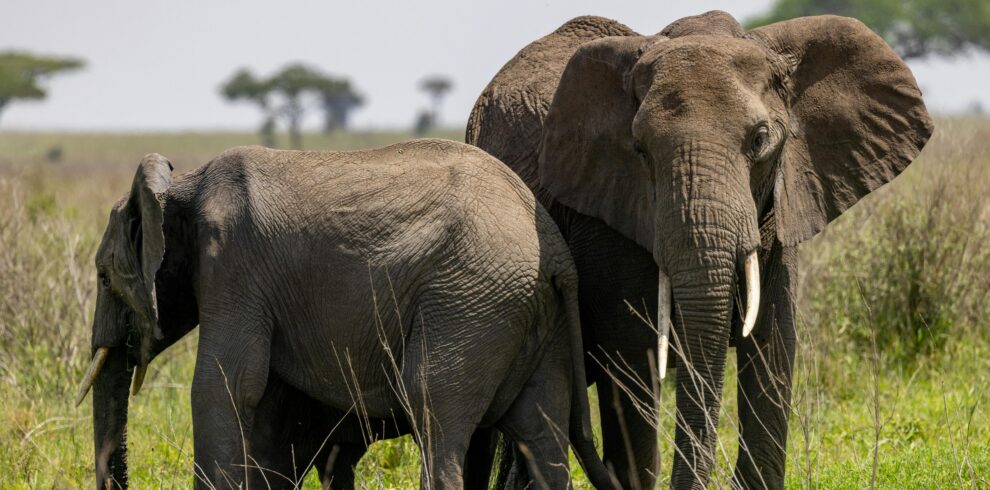
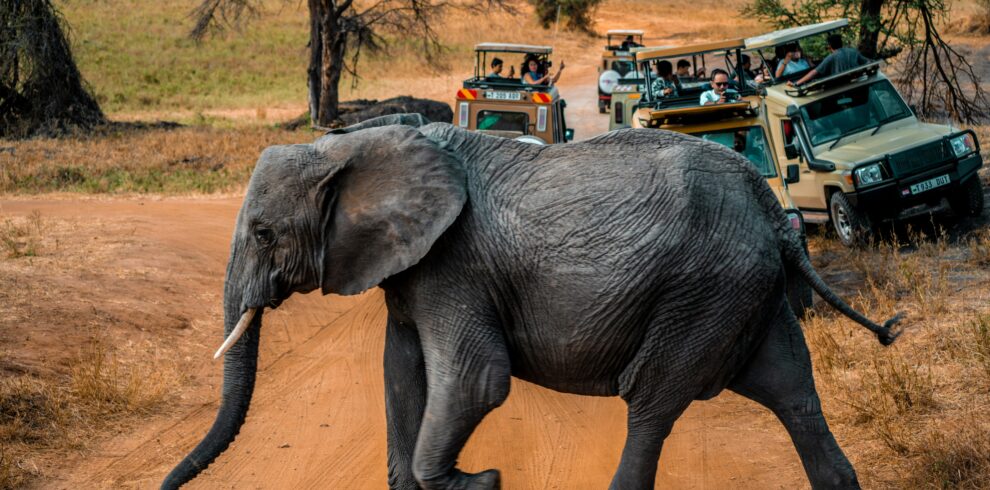
Land at the airstrip — your guide is already waiting, and the game drive begins before you’ve even reached camp. Elephant silhouettes in the morning haze, giraffes browsing the acacia edges, and with luck, your first lion before lunch.
Settle into camp after a late breakfast, then head straight back out for an afternoon drive as the heat fades. Sundowners on the open plains as the sky turns amber — this is the Mara tradition.
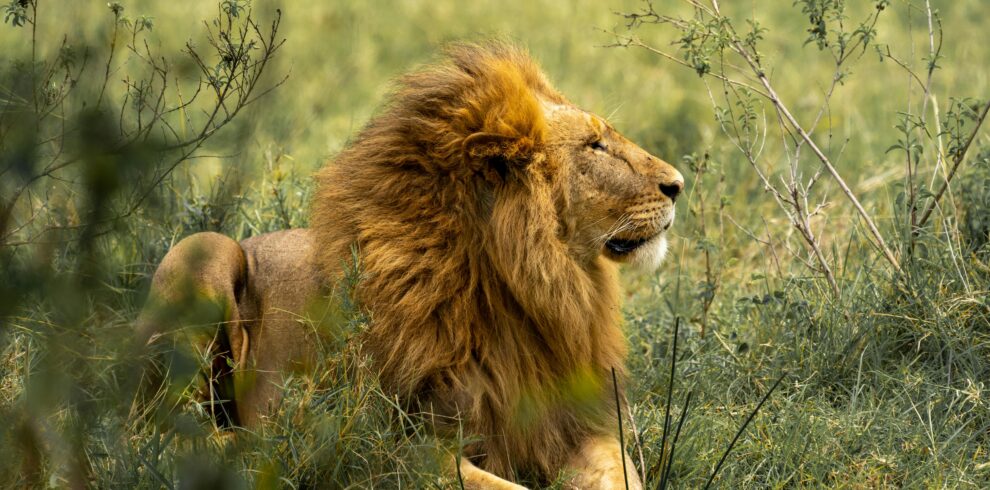
Dinner under canvas, and listen for the lions calling across the dark.
Overnight: Mara Ngenche Safari Camp (Luxury) / Basecamp Explorer (Mid-Luxury).
Rise before dawn for the golden hour — this is when the Mara is at its most electric. Big cats are active in the cool of the morning, and the light across the grass is a photographer’s dream.
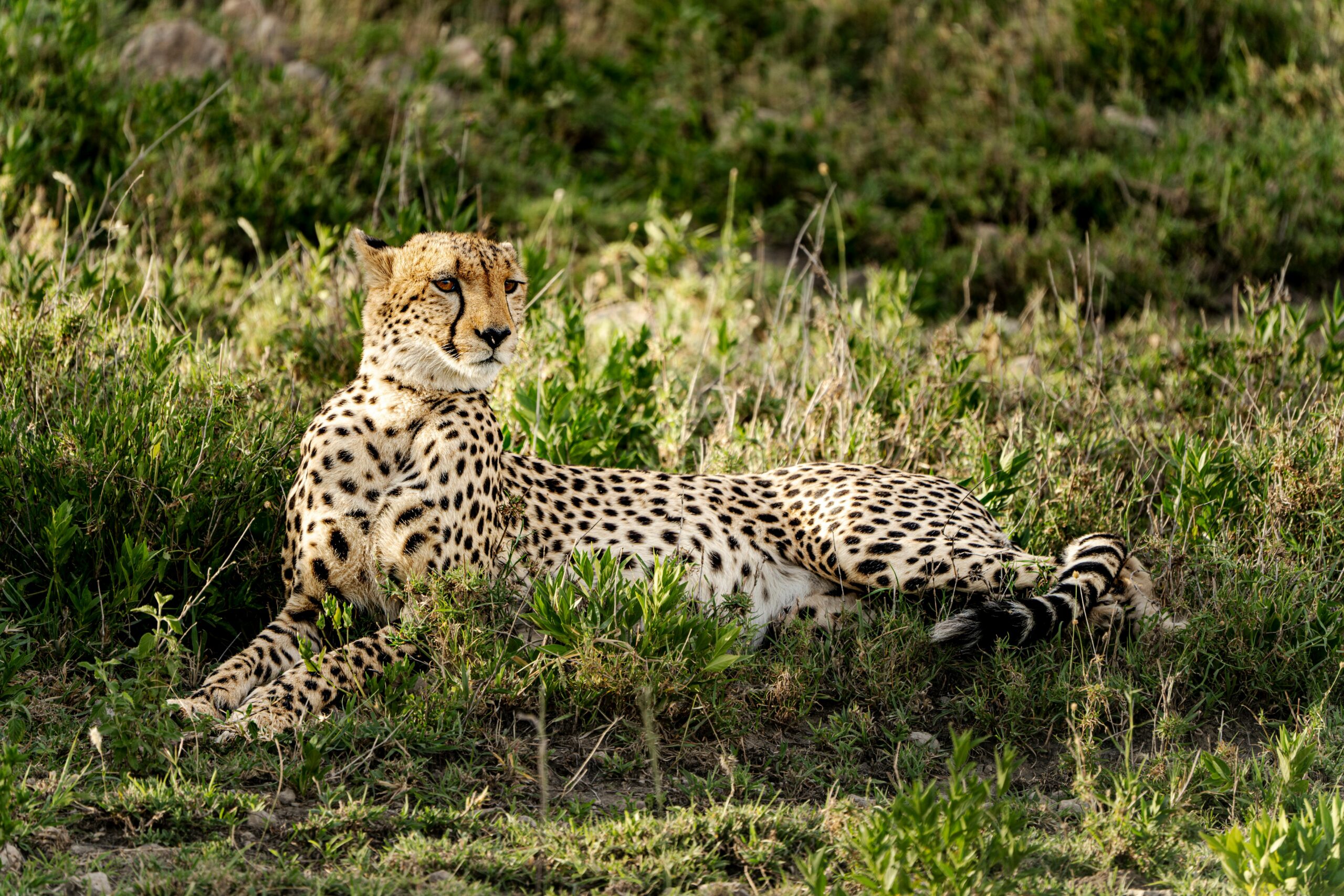
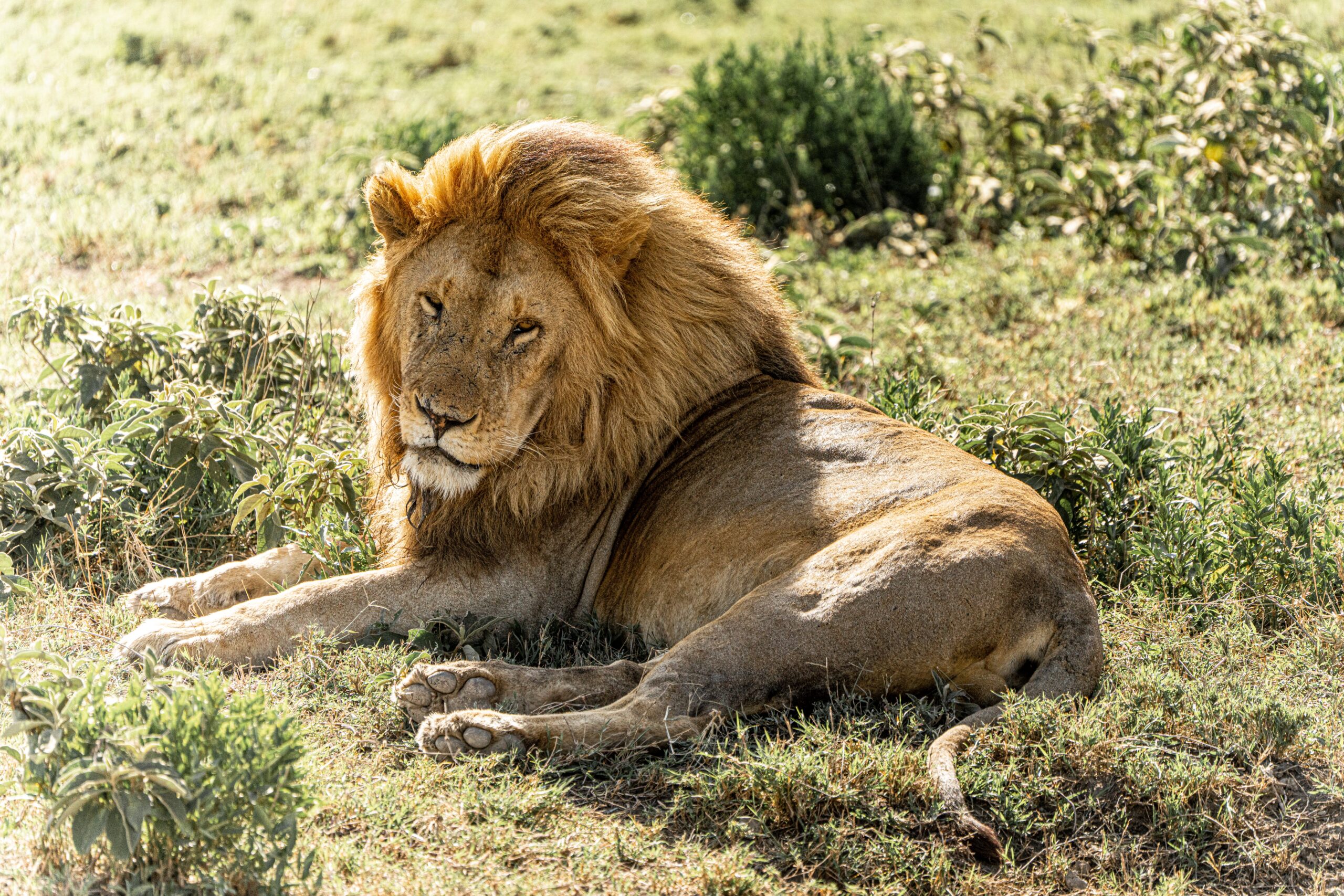
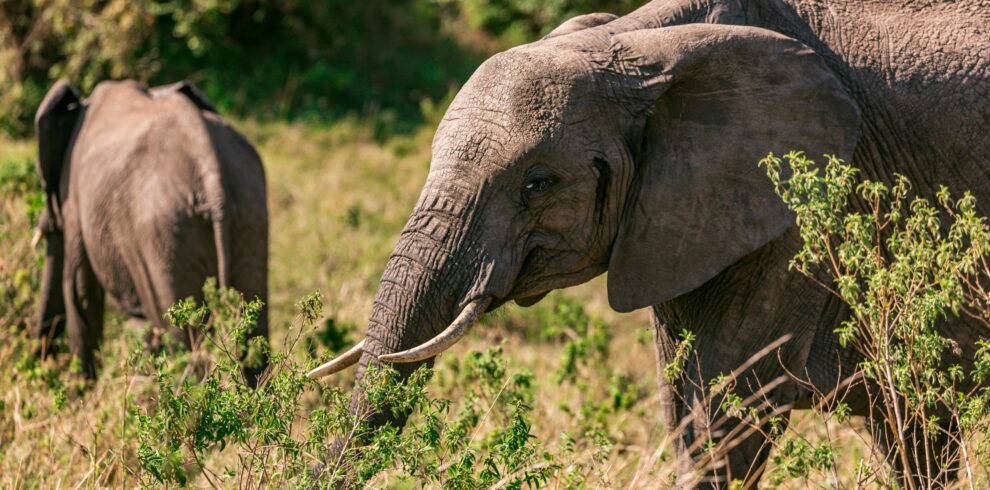
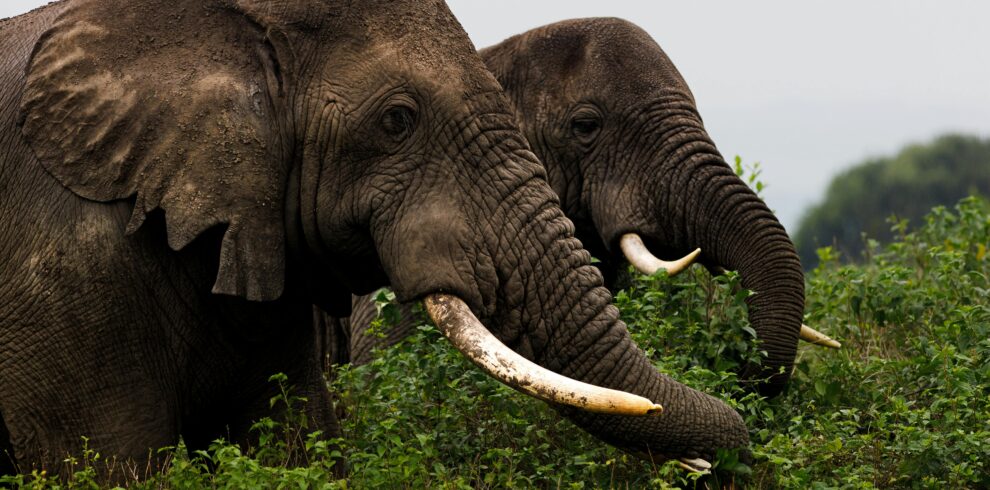
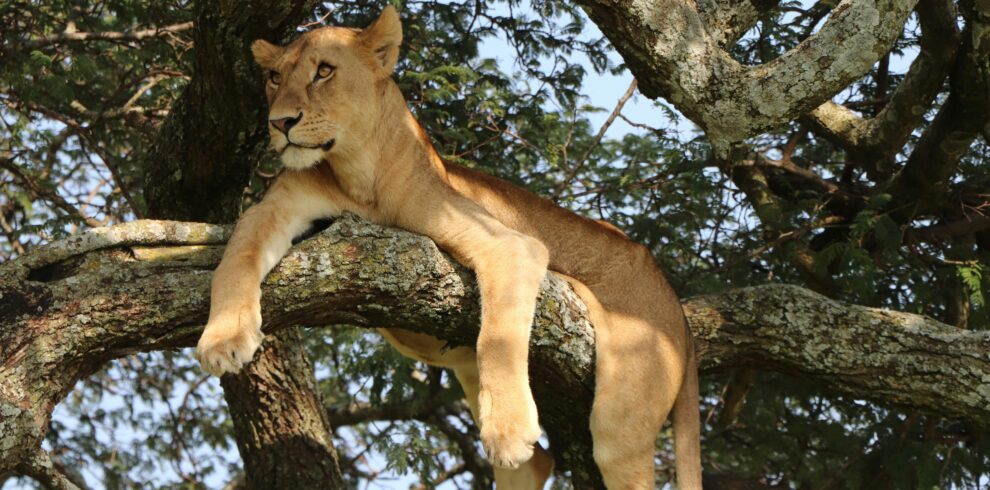
The Mara’s resident wildlife delivers year-round, migration or not: one of the densest lion populations in Africa, cheetah scanning the plains from termite mounds, leopards draped in the riverine forest, and vast herds of elephant, buffalo, topi and hartebeest.
Return to camp for a late breakfast and a midday rest — swim, siesta, edit your photos — before heading out again as the light softens in the late afternoon.
This evening, your guide will brief you on the migration’s movements, planning tomorrow’s route around where the herds are massing.
Overnight: Mara Ngenche Safari Camp (Luxury) / Basecamp Explorer (Mid-Luxury).
Today is the big one. Set out early with a picnic breakfast and lunch, and spend a full, uninterrupted day in the heart of the reserve — no returning to camp, no clock-watching.
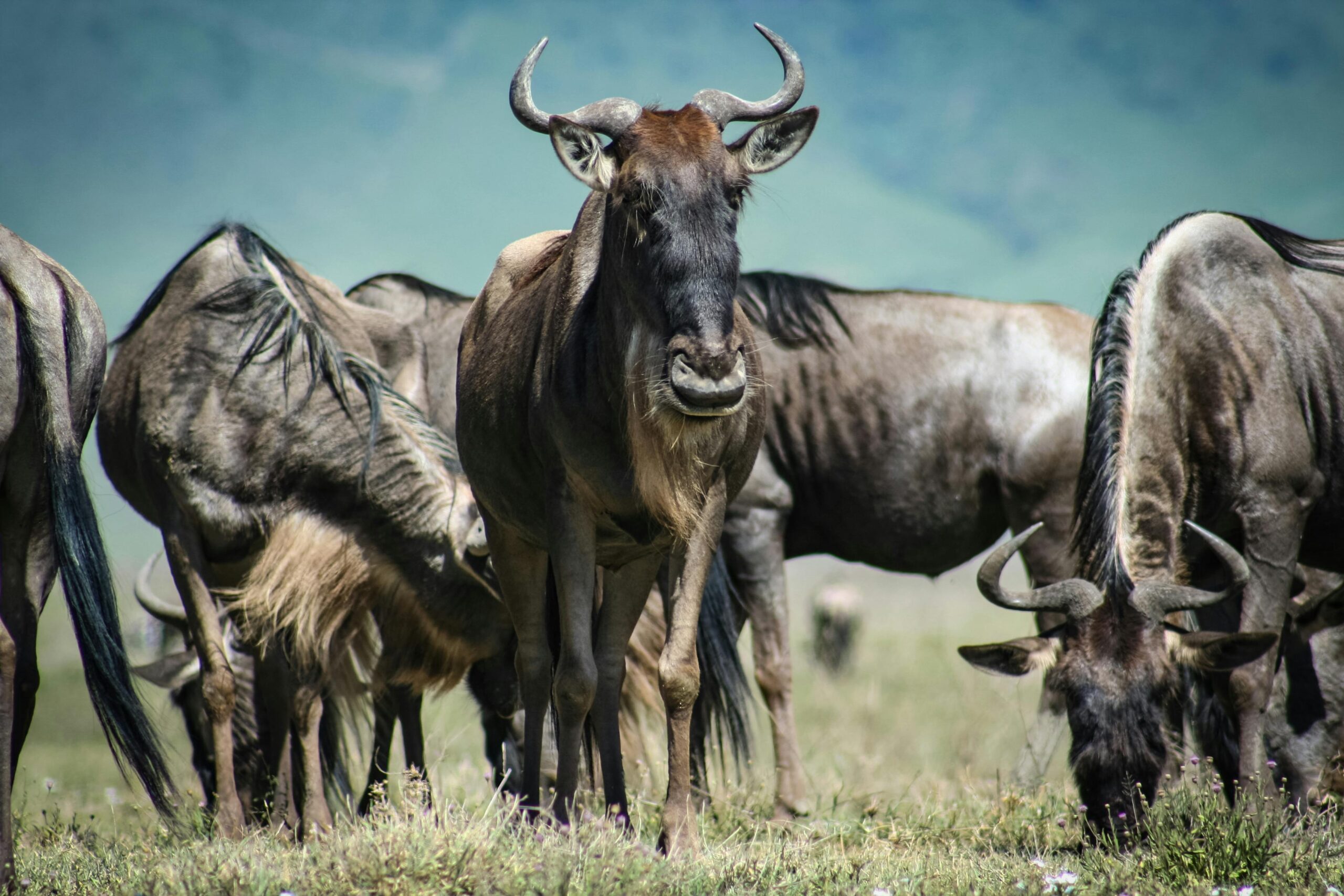
If you’re visiting July–October, your guide positions you along the Mara River, where walls of wildebeest and zebra gather at the crossing points. A river crossing is nature at its most dramatic — thundering hooves, dust, crocodiles lying in wait — and completely unpredictable. Your guide tracks the herds daily to put you in the right place at the right time. Patience is rewarded here.
Not visiting in migration season? The full-day format simply goes wherever the wildlife is — and the Mara’s resident game never disappoints.
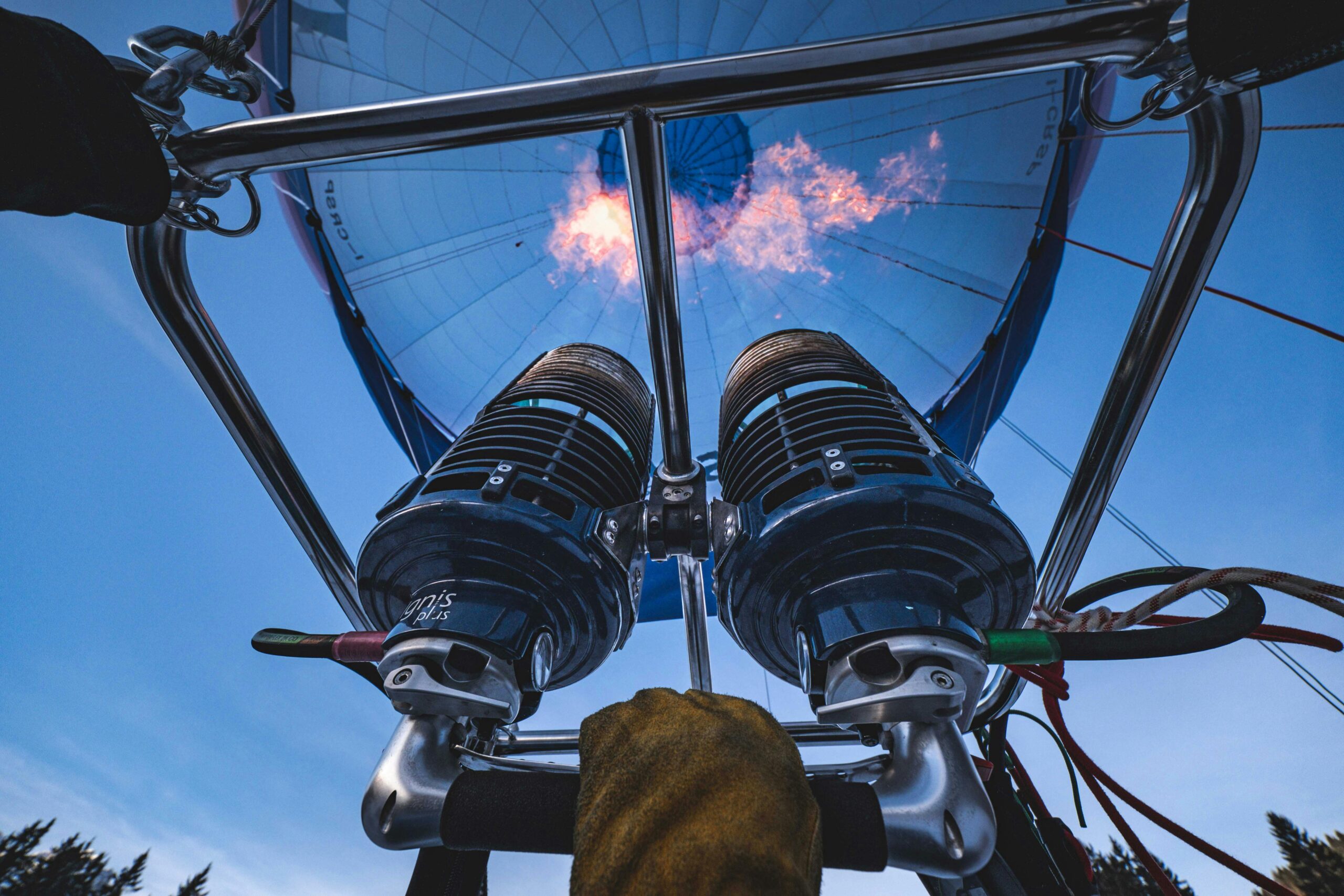
Optional (highly recommended, extra cost): swap this morning for a hot-air balloon safari — drift silently over the herds at sunrise, then land to a champagne bush breakfast. One of Africa’s definitive bucket-list experiences.
Overnight: Mara Ngenche Safari Camp (Luxury) / Basecamp Explorer (Mid-Luxury).
Your final full day on safari. Make every drive count.
Morning drive focused on predators — your guide knows the prides, the cheetah mothers with cubs, and the leopard haunts along the river. The Mara rewards sharp eyes and patience.
Afternoon options: one more game drive into the golden light, or a visit to a nearby Maasai village for a genuine cultural exchange — traditional dances, a walk through the homestead, and the chance to shop directly from local artisans.
Tonight is the farewell dinner at camp — stories by the fire, a toast to the week, and the sounds of the Mara one last time.
Overnight: Mara Ngenche Safari Camp (Luxury) / Basecamp Explorer (Mid-Luxury).
One last early game drive — because why not? The Mara always has one more sighting in it.
After breakfast, transfer to the airstrip for your flight back to Nairobi. Arrive in time for onward connections — or, if your international flight allows, a stop at the Giraffe Centre, last-minute shopping at the Maasai Market, or a final lunch in the city. For evening departures we recommend adding a Nairobi night; we’ll book it.
Transfer to JKIA for your departure. The Mara stays with you.
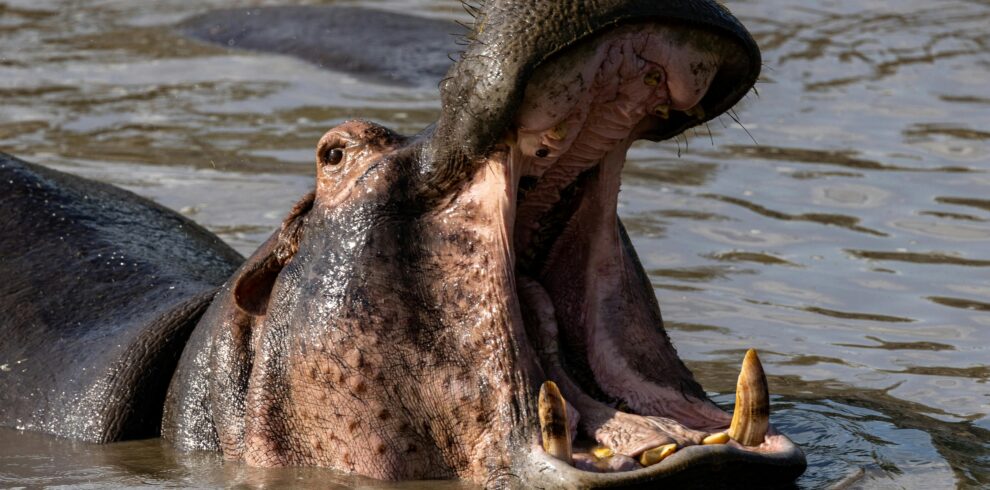
Mara Ngenche Safari Camp (Masai Mara National Reserve) Perched at the confluence of the Mara and Talek rivers, this boutique tented camp puts you inches from the drama of the Great Migration. Hippos grumble in the river below your deck, elephants wander the riverine forest, and the big cats are quite literally your neighbours. Beautifully designed, brilliantly located.
andBeyond Kichwa Tembo Tented Camp (Masai Mara — alternate) Set against the Oloololo Escarpment with the classic “Out of Africa” views, Kichwa Tembo combines renowned service, spacious tents and private access to the reserve’s quieter north-west. An equally spectacular option for those who want sweeping escarpment scenery.
Basecamp Explorer (Talek River, Masai Mara) A Gold-rated eco-pioneer on the Talek River — canvas tents under riverine shade, excellent guiding and a genuine sustainability ethic. Comfortable, characterful and brilliantly positioned for the reserve’s southern plains.
Mara Serena Safari Lodge (Masai Mara — alternate) Set on a hill with sweeping views over the reserve, Serena offers classic Mara safari vibes — a swimming pool, excellent facilities and experienced guides — with the relaxed warmth of a well-run safari lodge.

July – October: Peak season and the star of this itinerary — the Great Migration is in the Mara and river crossings are possible throughout. Dry, cool mornings and superb game viewing. Book early; this window fills up fast.
January – February: Short dry season. The migration herds are south in the Serengeti, but resident game and big cat viewing are superb, crowds are thinner and rates are lower. A quietly excellent time to visit.
June: The dry season begins. Green-gold plains, concentrated wildlife, and the herds beginning their push north. Great value before peak.
November – December: Short rains. Lush landscapes, dramatic skies for photographers, outstanding birding and the lowest rates of the year.
April – May: Long rains — some camps close and tracks get difficult. Not recommended for first-time safari guests.
Masai Mara National Reserve
Easy: Game drives across all days — relaxed, seated, suitable for all ages and fitness levels.
Easy–Moderate: The full-day migration drive (Day 3) — longer hours on bumpy tracks, broken by picnic stops.
Optional: Hot-air balloon safari — pre-dawn start, no physical exertion, unforgettable payoff.
Optional: Maasai village visit — a short, guided walk-through experience, suitable for all ages.
Please note: Walking safaris and night drives are not permitted inside the reserve. If you’d like them, ask about extending into an adjacent private conservancy.
Clothing
Safari Essentials
Health & Wellbeing
Documents & Admin
Yes. Most nationalities require an Electronic Travel Authorisation (ETA). Apply online at etakenya.go.ke at least 2 weeks before travel. The fee is USD 30 for most nationalities.
Meru is one of Kenya’s least-visited major parks — and that’s exactly the point. You’ll rarely share a sighting with another vehicle. The wildlife is equally impressive to more famous parks, and the atmosphere is completely different. It’s safari as it should be.
The Samburu Special Five — reticulated giraffe, Grevy’s zebra, gerenuk, Beisa oryx and Somali ostrich — are northern species not found in Kenya’s southern parks. They’re endemic to the arid north, making Samburu the only place in Kenya to reliably spot all five.
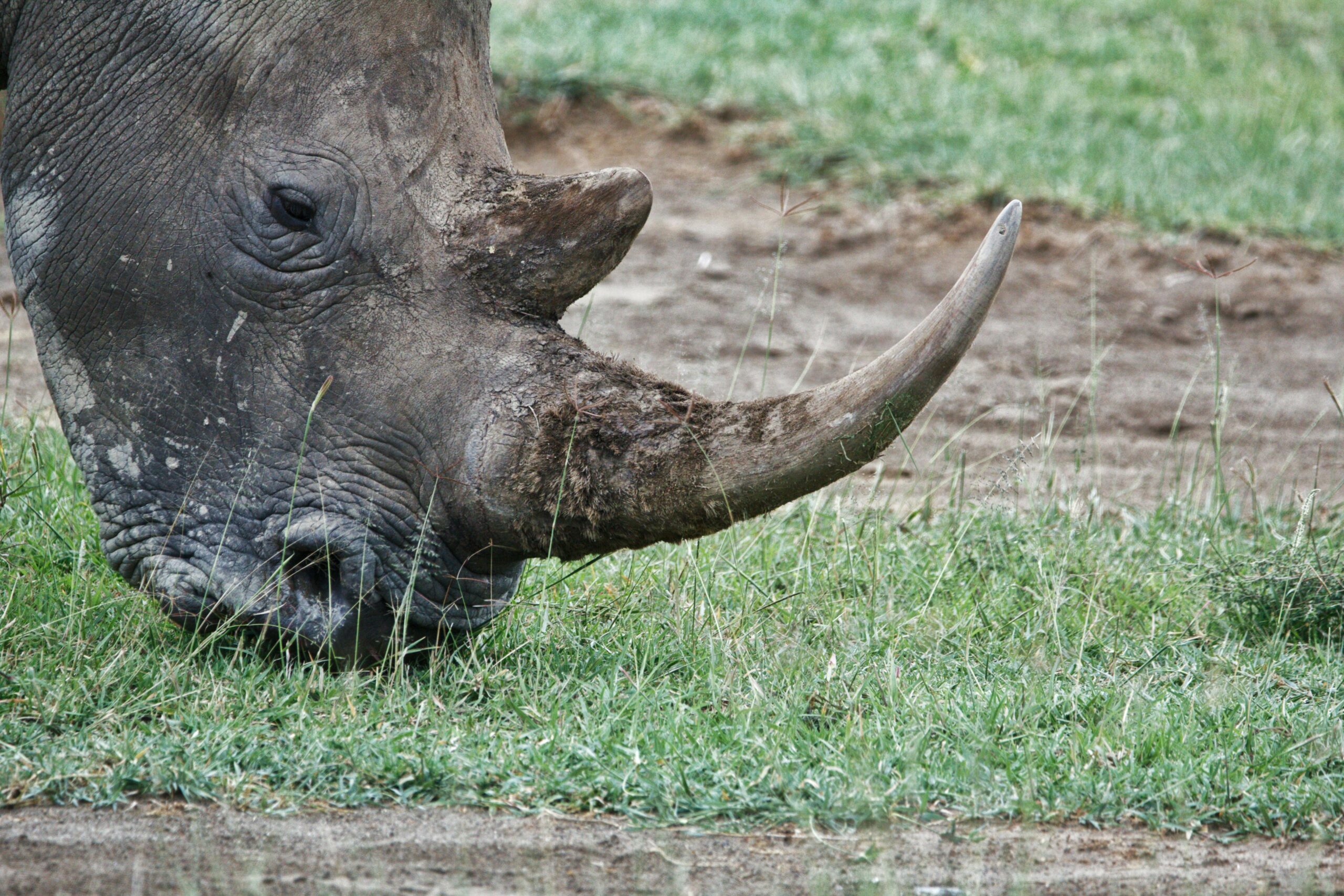
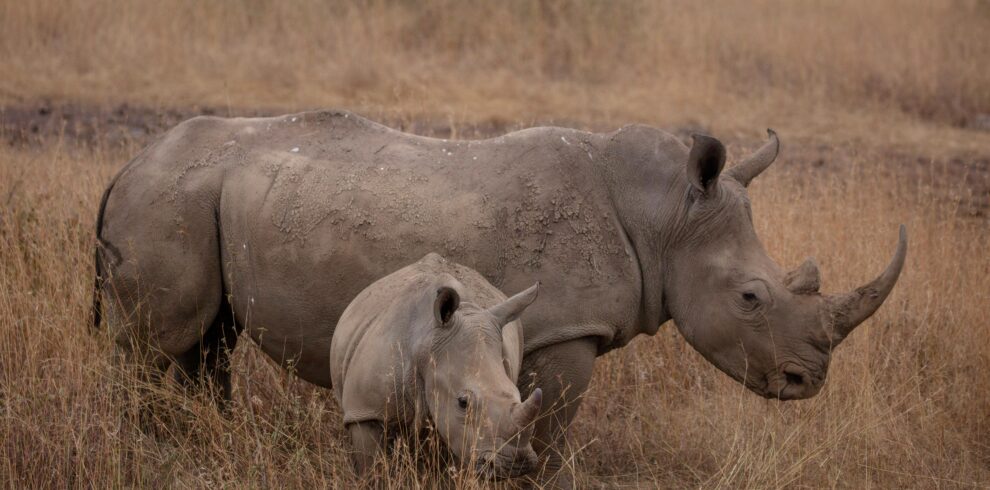
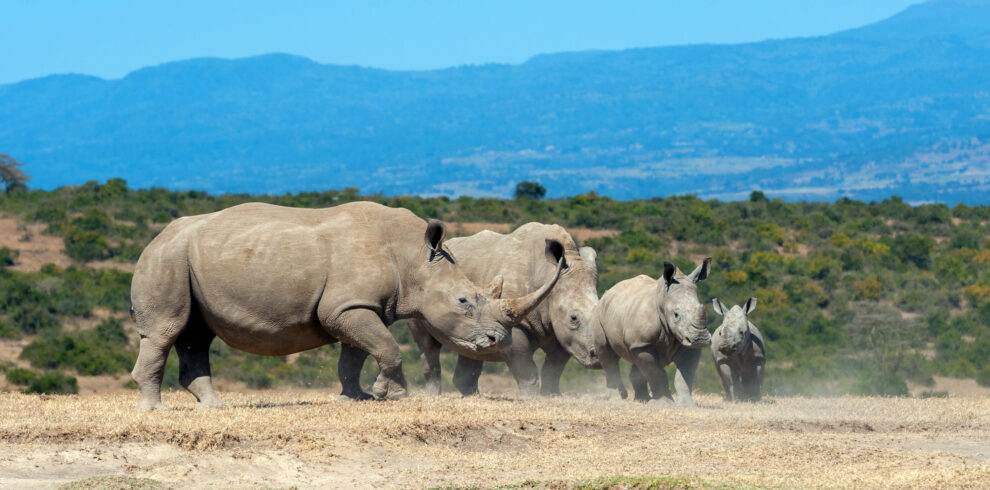
Yes — Ol Pejeta offers guided close-up encounters with Najin and Fatu, the world’s last two northern white rhinos. This is one of the most extraordinary wildlife experiences in Africa. Numbers are limited and advance booking is essential.
Nanyuki sits at around 1,900m altitude, so mornings and evenings can be genuinely cool, especially compared to Samburu or Meru. Pack a warm fleece or light jacket — you’ll thank yourself on early-morning drives.
Exceptional. Meru has over 300 species, Samburu over 450, and Ol Pejeta is equally rich. If you’re a birder, let us know and we’ll tailor the guiding accordingly.
Most light aircraft restrict luggage to 15kg (33lbs) in a soft-sided bag only — no rigid suitcases. This is a firm weight limit. All camps have laundry facilities so packing light is easy.
Yes. Game drives are suitable for all ages. Guided walks and rhino encounters are recommended for children aged 10 and above. Let us know in advance and we’ll adjust the pace and activities to suit your family.
The Kenyan Shilling (KES). USD is widely accepted at lodges and for tipping. Carry some cash for smaller purchases. ATMs are available in Nairobi and Nanyuki town.
Absolutely — this is our starting point, not a fixed route. We can add nights, swap lodges, combine with the Masai Mara or the coast, or build in specific experiences. Just tell us what you want and we’ll make it happen.