789 Inner Lane, Holy park, California, USA
Kenya’s safari map divides into two wild halves, and most trips never attempt both. This one refuses to pick a side. Head north first to Samburu, where the land turns rust-red and dry-country species found nowhere else in southern Kenya gather along a palm-lined river. Then drop south to Ol Pejeta — 90,000 private acres carrying East Africa’s biggest black rhino population, and the final two northern white rhinos in existence. Finish in the Masai Mara, the grassland every safari documentary was built on. Three flights, three landscapes, six nights — and barely a repeated sighting between them. For travellers who would rather collect whole ecosystems than revisit one, this is the week that covers the country.
| Duration | 7 days / 6 nights |
| Destinations | Nairobi → Samburu → Ol Pejeta → Masai Mara → Nairobi |
| Travel Style | Fly-in luxury safari |
| Activity Level | Easy to Moderate |
| Best Season | Jun – Oct (Dry season & Migration) | Jan – Feb (Dry, clear skies) |
| Ideal For | Wildlife enthusiasts, second-time safari-goers, birders & photographers |
Land at Jomo Kenyatta International Airport, where a Tribal Adventures representative will meet you and transfer you to Wilson Airport for your scheduled flight north. As the aircraft climbs away from the city, the green highlands peel back to reveal the thornbush country beyond the Equator — you are crossing into a different Kenya before you’ve touched down.
Touch down at the airstrip near the reserve, where your guide is waiting. The drive to camp doubles as your first game drive: doum palms lining the Ewaso Nyiro, baboon troops on the move, and with luck a reticulated giraffe peering down through the acacias.
After lunch and time to settle in, head out for a late-afternoon drive along the river circuit — hippo pools, crocodile banks and the first stirrings of the Special Five.
Dinner at camp to the soundtrack of the river: hippos grunting, hyenas whooping far out in the dark.
Overnight: Elephant Bedroom Camp (Luxury) / Samburu Intrepids (Mid-Luxury).
Two game drives today, bookending the hottest hours in camp.
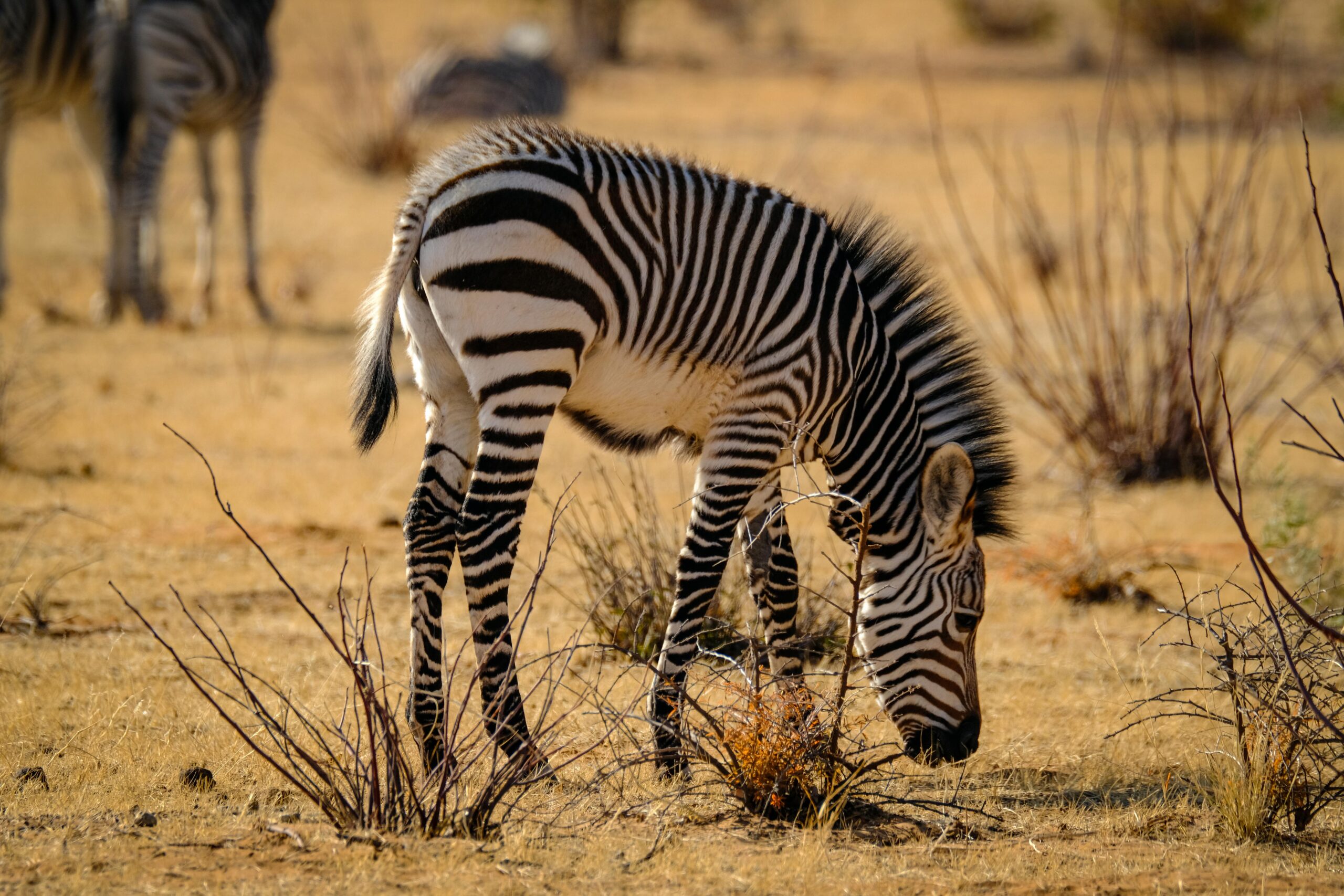
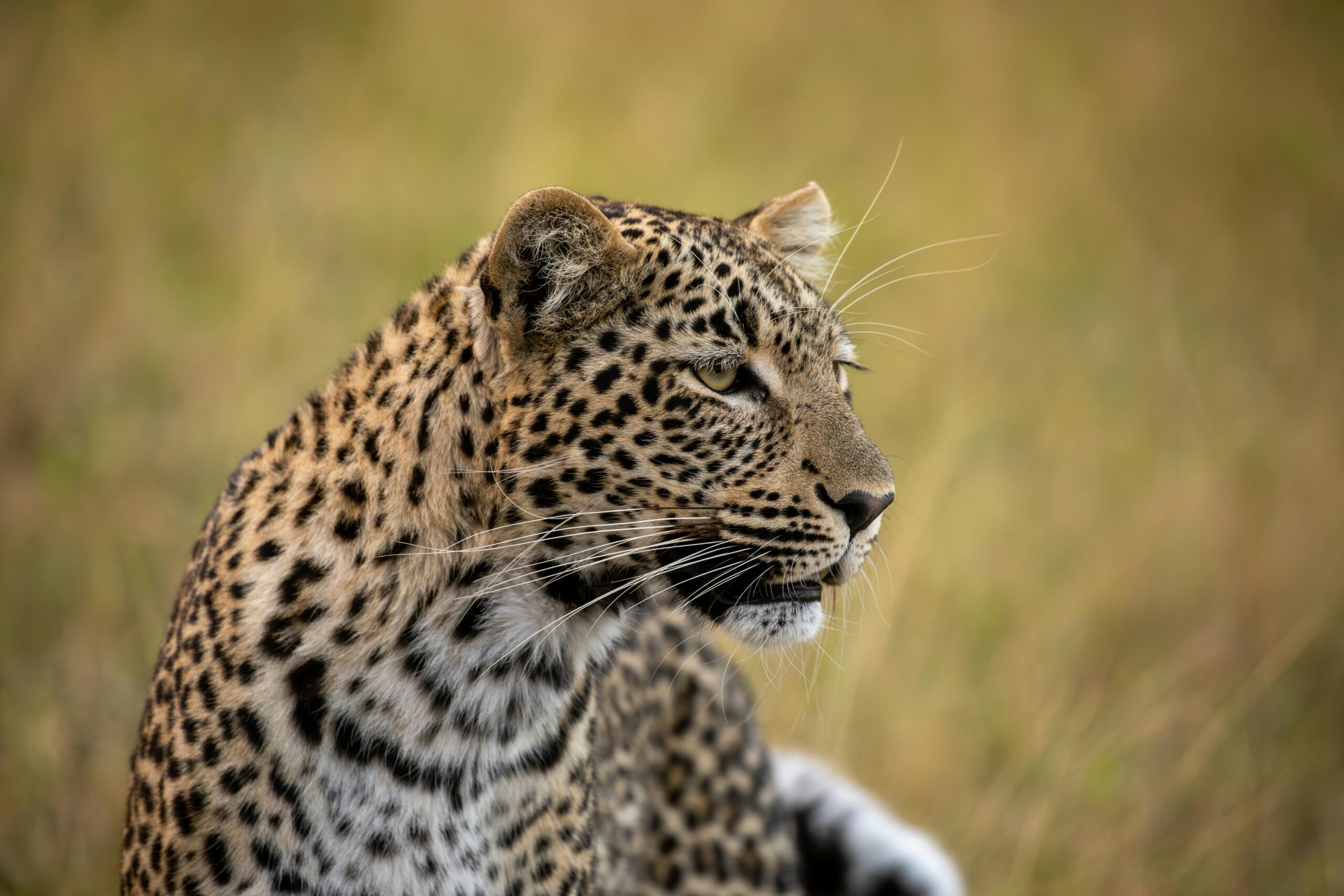
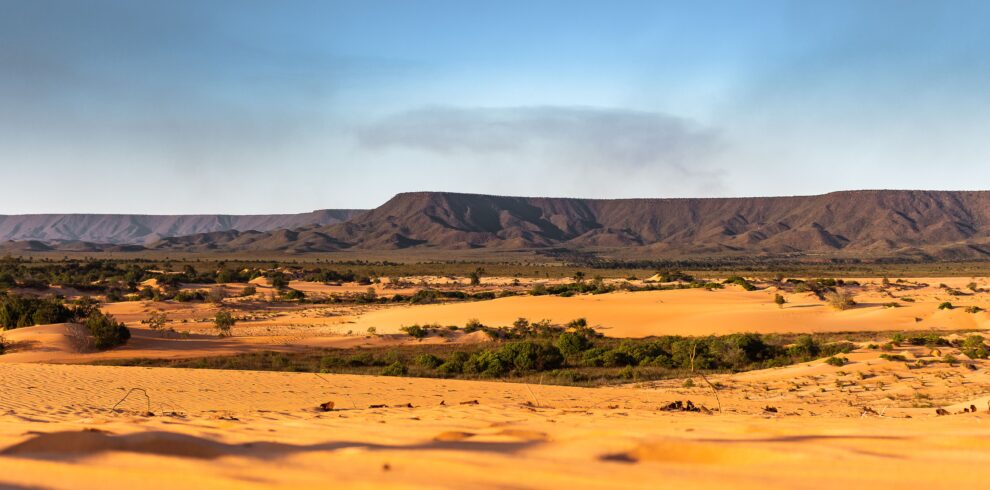
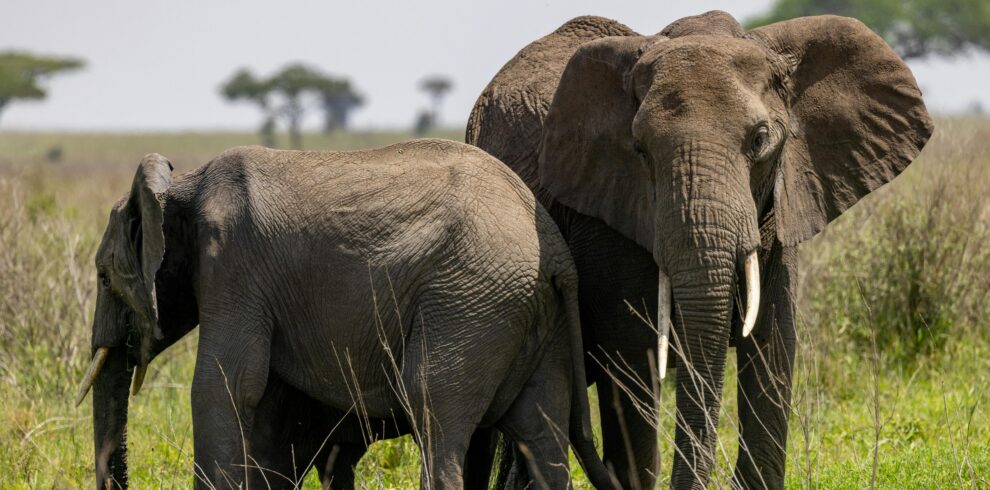
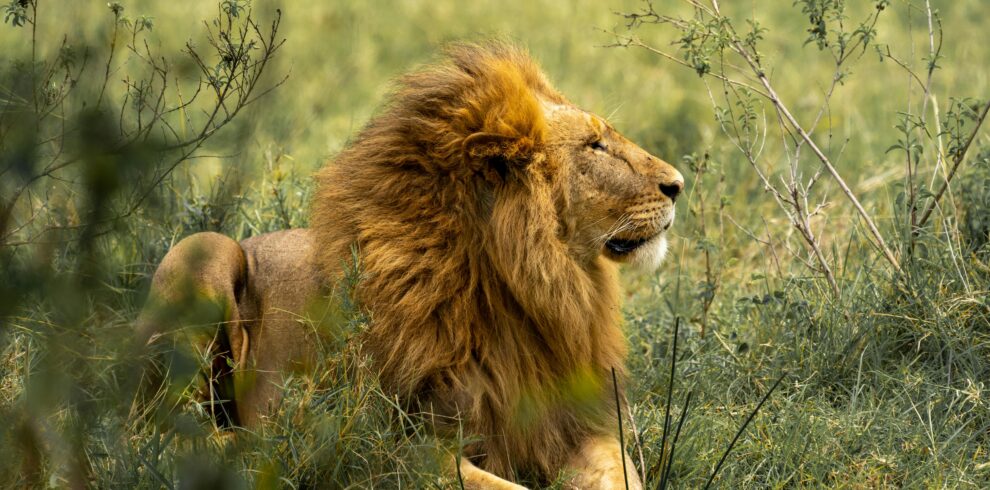
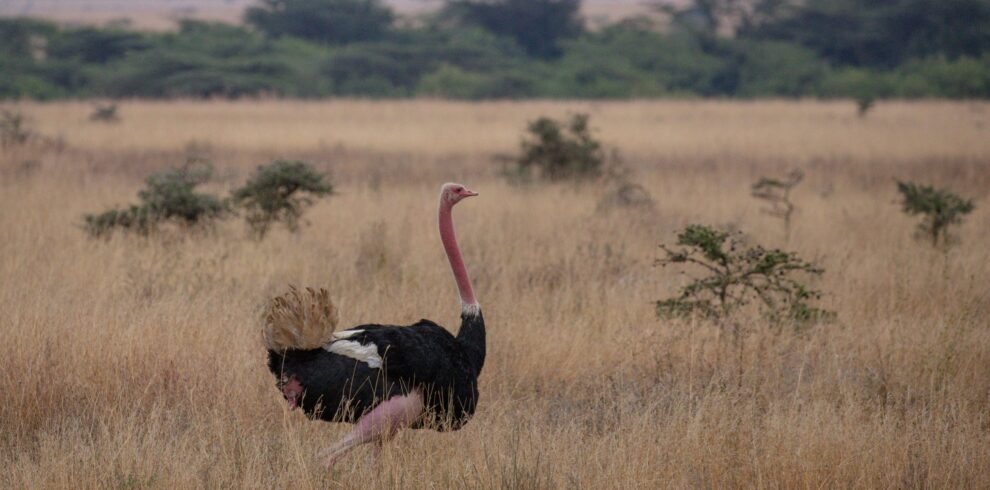
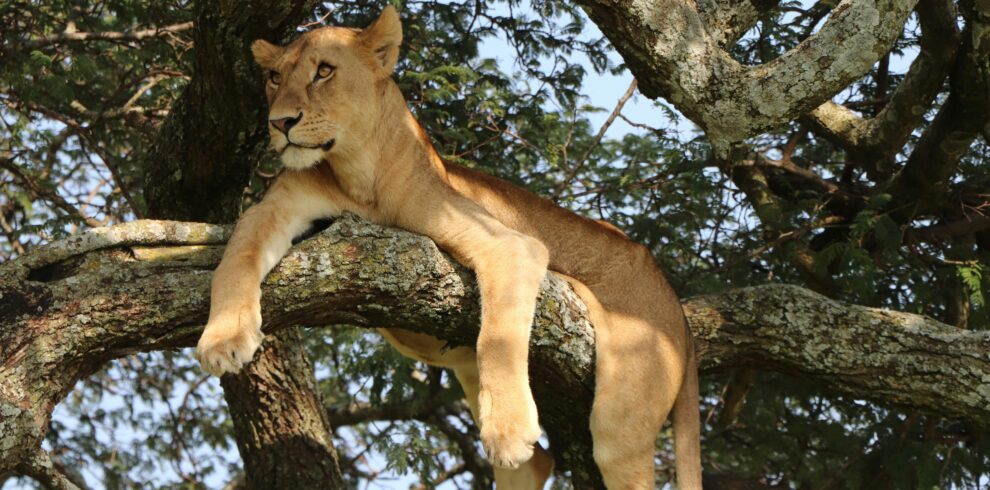
Morning drive into the drier country away from the river, where the north’s specialists live: gerenuk balanced upright on their hind legs to reach the high browse, Beisa oryx with their rapier horns, Grevy’s zebra — bulkier, big-eared and striped like fine corduroy — and the blue-necked Somali ostrich. Lion and leopard both patrol this reserve, and the leopards here are famously relaxed around vehicles.
Midday: lunch, a swim, and the pleasure of doing nothing while elephants work the riverbank below.
Late afternoon drive along the Ewaso Nyiro, ending with a sundowner stop on a rocky rise as the heat drains out of the day.
Optional: a visit to a Samburu homestead with your guide — a genuine welcome from the semi-nomadic herders whose world this is, with dancing and beadwork sold direct by the makers.
Overnight: Elephant Bedroom Camp (Luxury) / Samburu Intrepids (Mid-Luxury).
A final morning drive in the reserve — the Special Five often save themselves for the last hour.
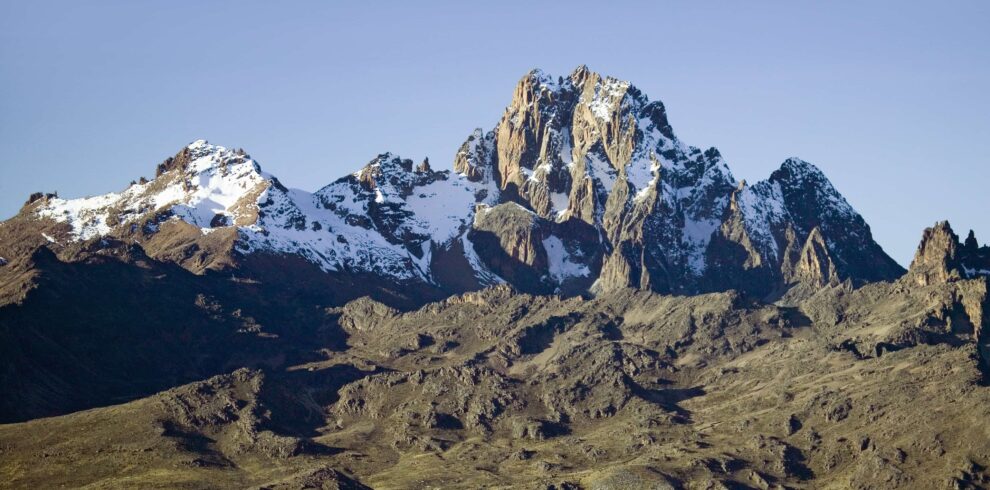
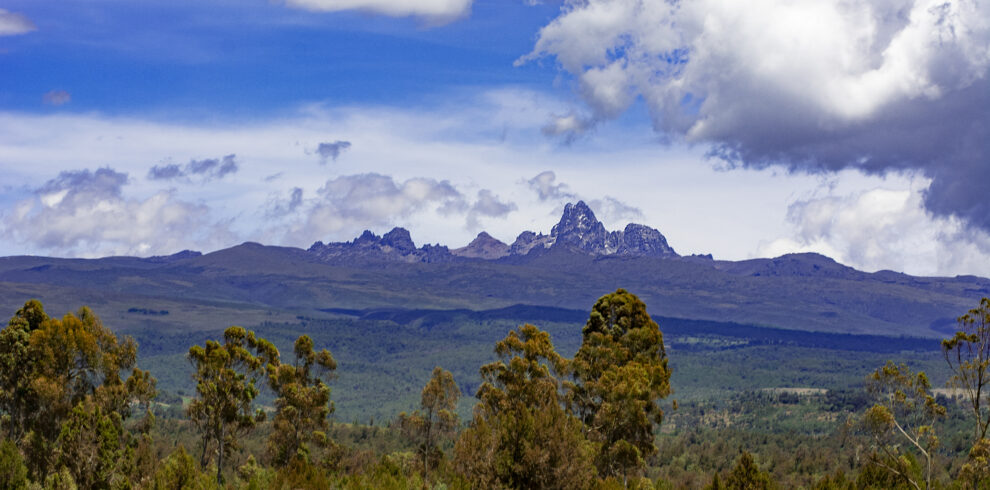
Fly south to Nanyuki, the highland town at the foot of Mount Kenya (some routings connect via Wilson; we book the smoothest schedule of the day). From the airstrip it’s a short transfer through the gate and into Ol Pejeta — 90,000 acres of savannah and wooded ravines on the Equator, with the snowline of Mount Kenya visible on clear mornings.
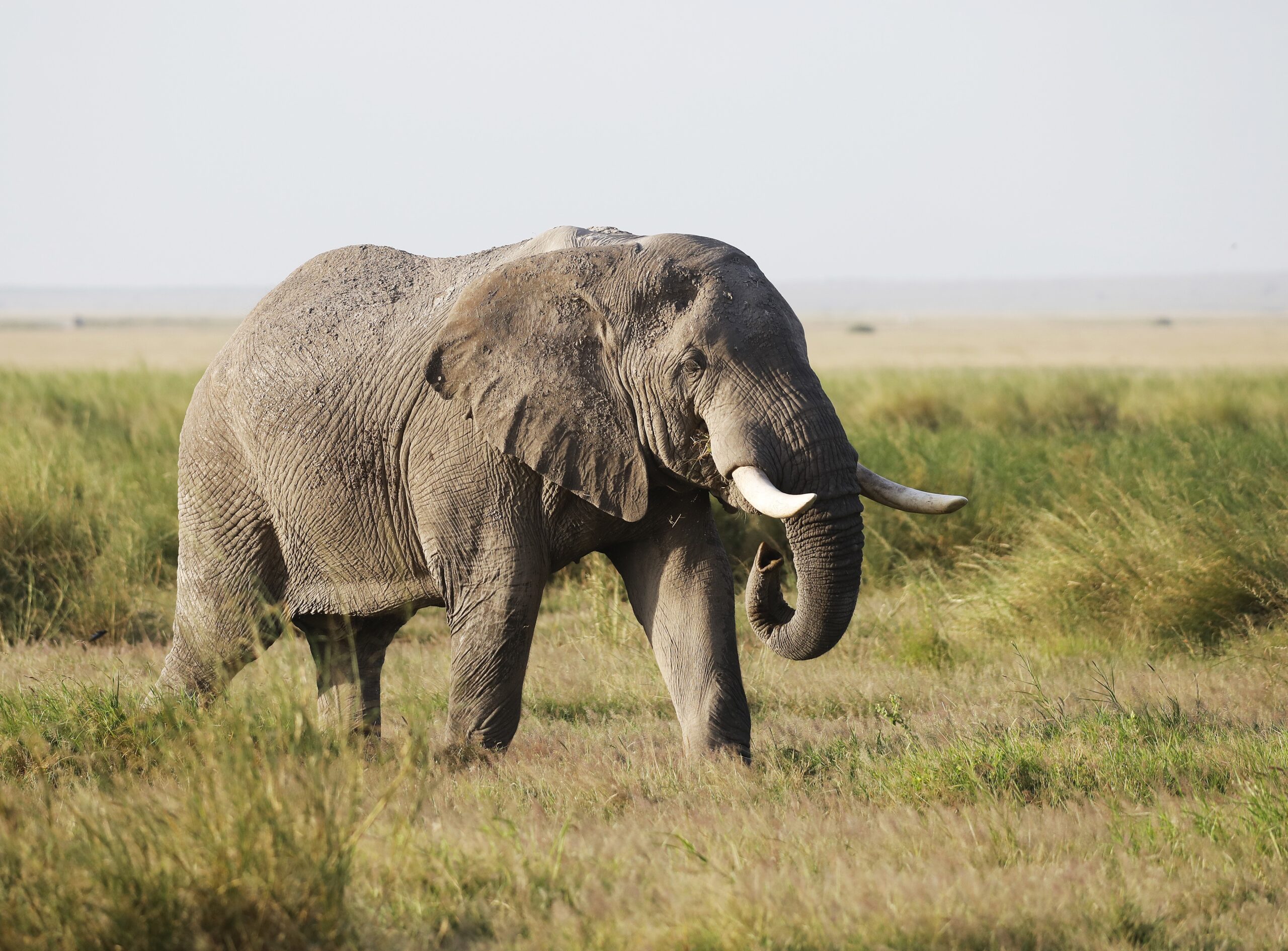
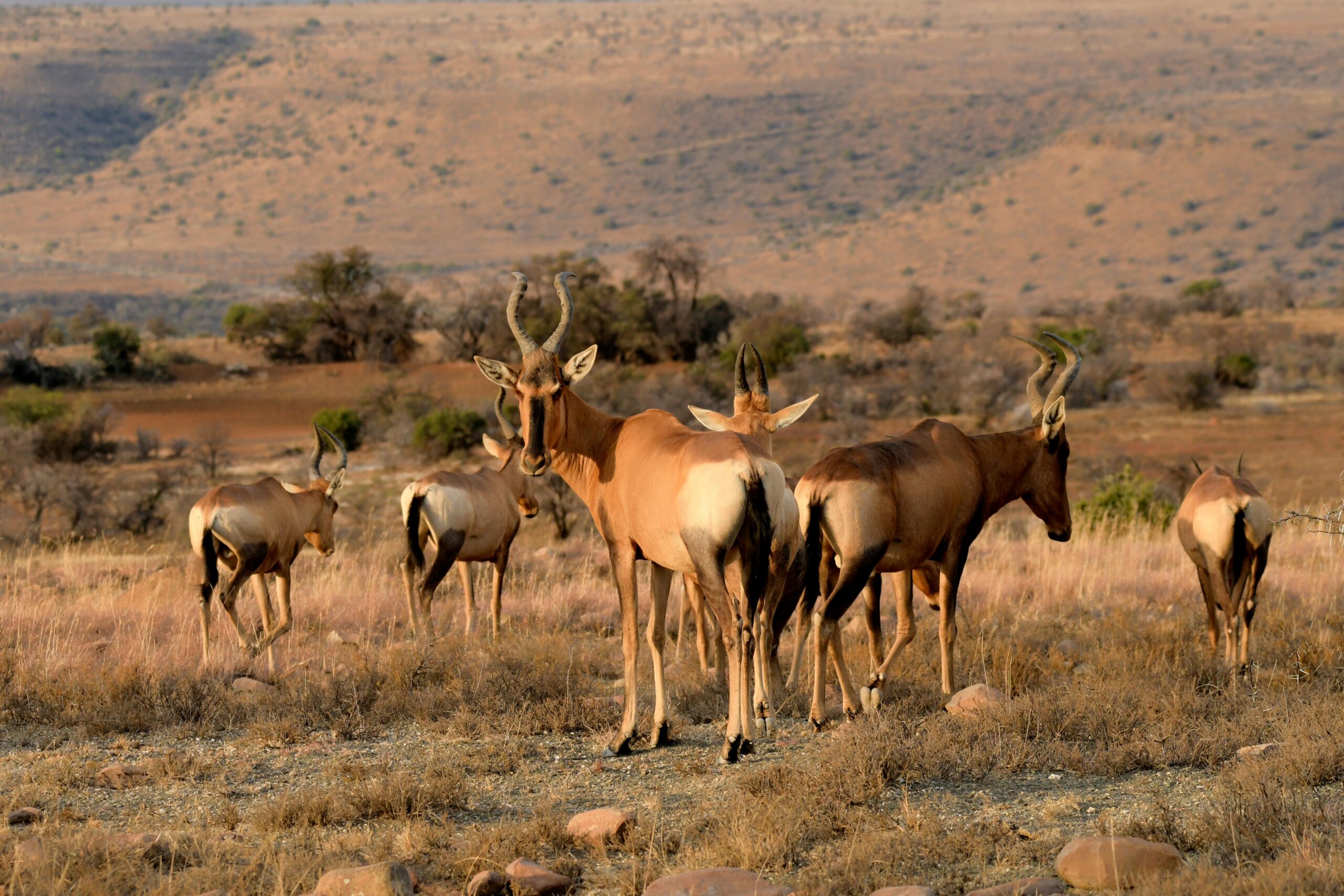
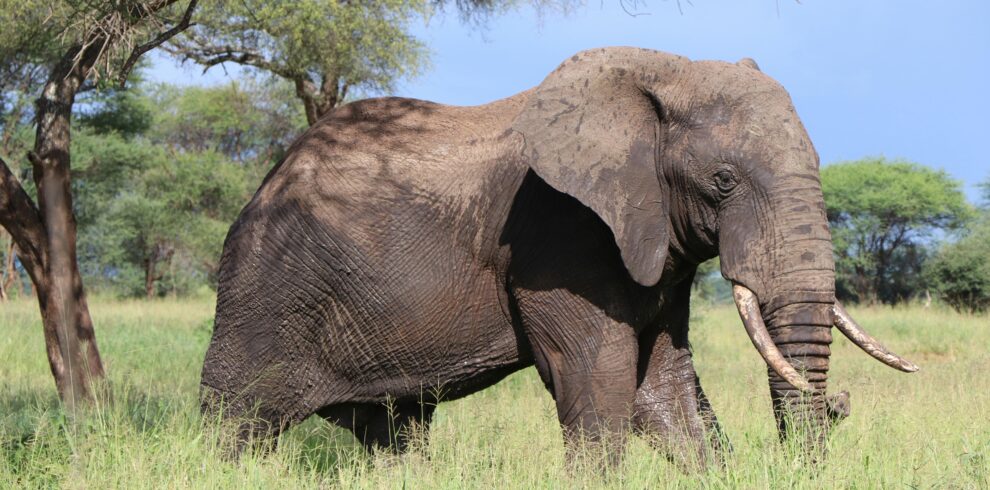
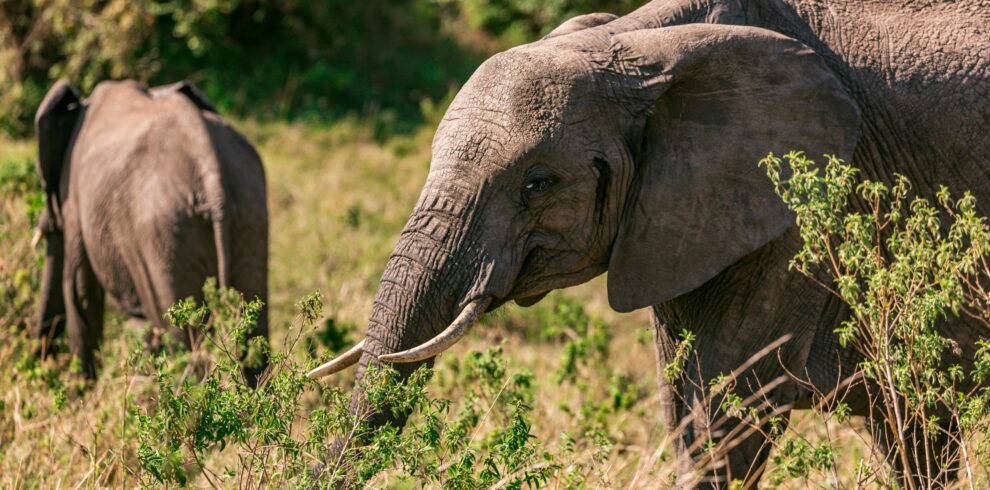
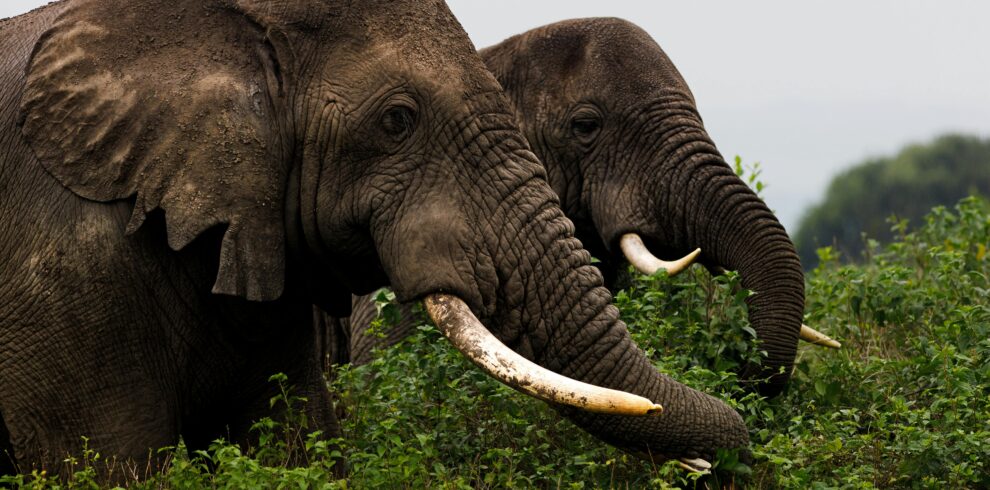
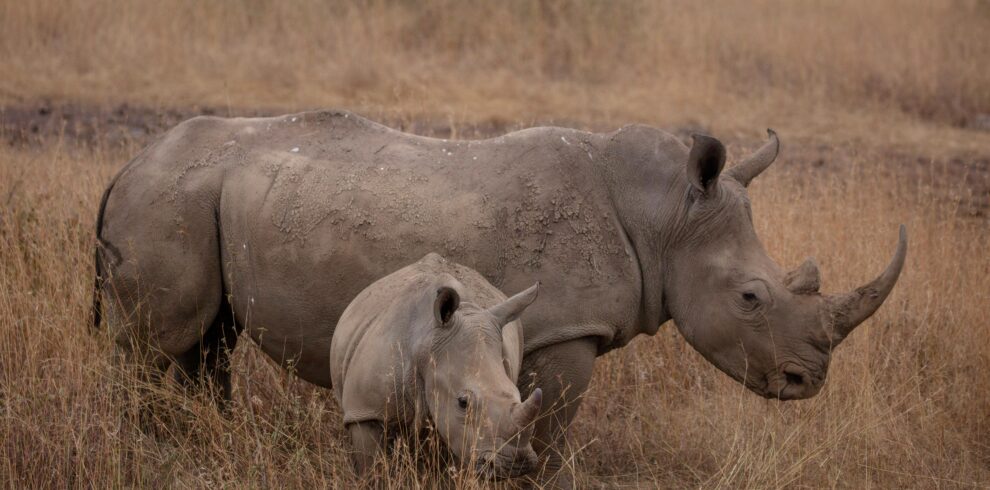
Afternoon game drive across the conservancy. Ol Pejeta is East Africa’s largest black rhino sanctuary, and rhino sightings here are regular rather than lucky. Elephant, Jackson’s hartebeest and Grevy’s zebra share the plains.
As dusk settles, your guide will brief you on tomorrow — and tonight, if you wish, the conservancy’s private-land rules come into their own.
Overnight: Asilia Ol Pejeta Bush Camp (Luxury) / Sweetwaters Serena Camp (Mid-Luxury).
A day built around the conservancy’s rarest residents.
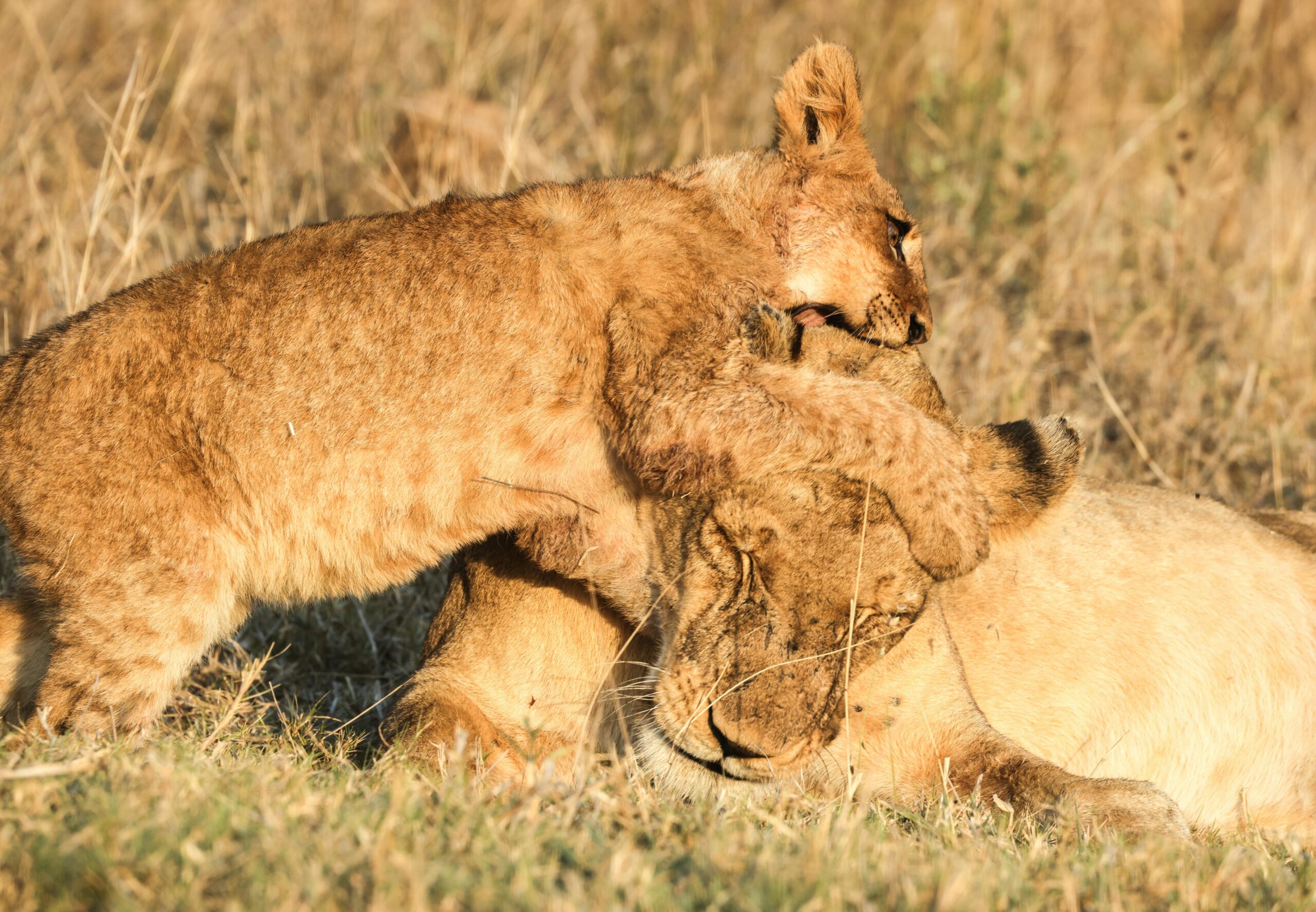
Morning: join the research team’s lion trackers — the conservancy’s prides carry radio collars, and guests ride along, learning the telemetry kit and logging sightings into the monitoring database. It is participation, not observation, and it funds the science.
Midday: brunch at camp, then the Sweetwaters Chimpanzee Sanctuary — the only one in Kenya, home to chimps rescued from the illegal pet and bushmeat trades. From the boardwalk you watch recovering troops in large natural enclosures; every resident has a story, and the keepers tell it well.
Afternoon: the Endangered Species Enclosure, where you meet Najin and Fatu — the final two northern white rhinos alive anywhere on the planet, under 24-hour watch. Standing meters from the last of a subspecies is an experience guests describe for the rest of their lives. Nearby, feed Baraka, the blind black rhino who has become the conservancy’s most beloved ambassador.
After dinner (optional, highly recommended): a night drive with a spotlight — bushpigs, bushbabies, striped hyenas, and the real possibility of a leopard on the move. Almost no other itinerary in Kenya can offer this.
Overnight: Asilia Ol Pejeta Bush Camp (Luxury) / Sweetwaters Serena Camp (Mid-Luxury).
One last conservancy morning — a short guided bush walk with an armed ranger, learning to read tracks, dung and alarm calls at walking pace, or a final game drive to chase whatever you haven’t yet ticked off.
Transfer to Nanyuki airstrip for your flight to Nairobi Wilson, connecting onto the afternoon service to the Masai Mara. The landscape you fly over — wheat-belt farms giving way to open savannah — is itself a lesson in how Kenya works.
Land at the airstrip near camp, where your Mara guide is waiting. The game drive begins immediately, crossing country with one of the highest lion densities in Africa on your way to the tent.
Dinner at camp tonight — and a briefing on tomorrow’s plan, shaped around where the cats and herds were last seen.
Overnight: andBeyond Kichwa Tembo (Luxury) / Sarova Mara Game Camp (Mid-Luxury).
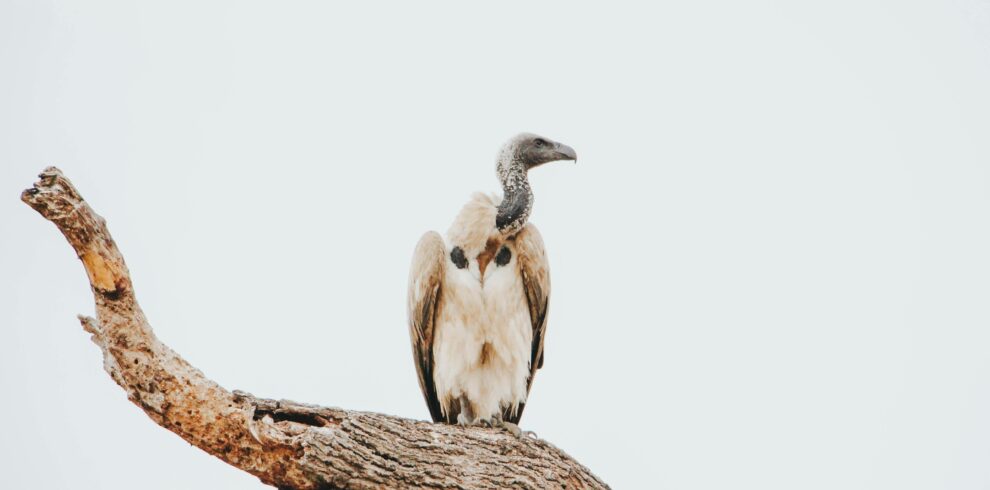
Out at first light, when the cats are finishing their night’s work. Your guide reads the plains the way a sailor reads weather — vultures dropping into a tree line, a line of vehicles paused on a distant ridge — and the Mara repays that attention.
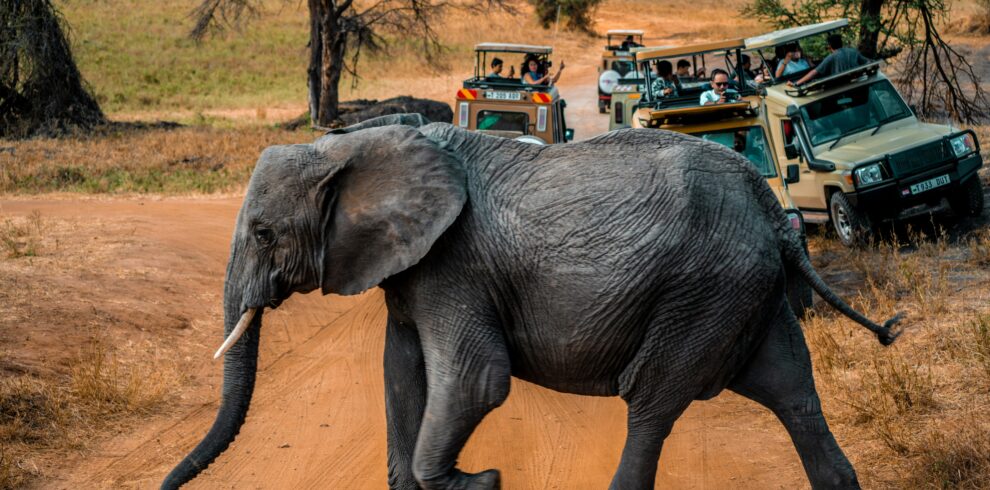
Between July and October the wildebeest and zebra herds of the Great Migration are in the reserve, and days here can revolve around the river crossings, when columns of animals pour into brown water where crocodiles wait. Outside migration months, the resident game — elephant, buffalo, topi, eland, giraffe and the big cats — carries the day on its own.
Return for a late breakfast and an easy middle of the day, then out again as the sun lowers and the plains turn copper.
Optional: a dawn balloon flight can replace this morning’s drive — float over the herds, then land to a champagne breakfast. Tell us early; spaces go months ahead. Or spend the afternoon with Maasai hosts at a nearby manyatta, closing the north-south cultural loop your trip began in Samburu.
Overnight: andBeyond Kichwa Tembo (Luxury) / Sarova Mara Game Camp (Mid-Luxury).
A short last drive before breakfast — dawn belongs to the scavengers and the stragglers, and it has a mood all of its own.
Fly back to Nairobi, landing in time for onward connections or, with a later flight, a farewell stop at the Giraffe Centre or a long lunch in town. For evening international departures we suggest a Nairobi day room or an extra night; we’ll arrange it.
Transfer to JKIA. Between the Special Five, the last northern white rhinos and the big cats of the Mara, you will have seen more of Kenya in one week than most manage in three.
Elephant Bedroom Camp (Samburu National Reserve) A line of spacious tents set beneath doum palms and acacias on the bank of the Ewaso Nyiro. Elephant herds regularly wander the riverbed in front of camp, and after dark the sounds of the reserve come right up to your veranda. Intimate, stylish and unmistakably northern.
Asilia Ol Pejeta Bush Camp (Ol Pejeta Conservancy) A classic six-tent bush camp on the conservancy’s grasslands, run with the light-touch eco-ethic Asilia is known for. Because Ol Pejeta is private land, days here mix game drives with walks, night drives and research-backed activities few reserves can offer.
andBeyond Kichwa Tembo Tented Camp (Masai Mara National Reserve) Sheltered beneath the Oloololo Escarpment at the reserve’s quiet western edge, with lawns where buffalo and elephant graze at first light and tents opening onto the plain beyond. A long-standing benchmark for Mara hospitality.
Samburu Intrepids (Samburu National Reserve) Riverside tents raised on timber platforms under mature trees, with a long-standing reputation for warm service and skilled guides. A swimming pool for the heat of the day and a floodlit riverbank after dark.
Sweetwaters Serena Camp (Ol Pejeta Conservancy) The conservancy’s flagship camp, overlooking a waterhole frequented by rhino and elephant. Comfortable tented rooms, a friendly main lodge and the whole of Ol Pejeta on the doorstep.
Sarova Mara Game Camp (Masai Mara National Reserve) A well-established Mara favourite — stone-and-thatch rooms and club tents spread through mature gardens inside the reserve, with a pool and hearty dining after long days out.
Alternates on request: Sasaab & Saruni Samburu (Samburu region) · Samburu Sopa & Ashnil Samburu · Mara Ngenche & Mara Serena (Masai Mara).

June – October: The strongest overall window. Dry bush concentrates game at the rivers, the Migration herds occupy the Mara from July, and dawn drives are crisp. July–October is high season — reserve early.
January – February: Hot, dry and clear. Samburu’s arid light is superb for photography, Ol Pejeta’s plains are open and visible, and the Mara’s resident game continues regardless. Fewer vehicles, gentler rates.
November – December: The short rains green everything up. Birding surges with migrants, the light turns dramatic, and camps are quieter. Expect afternoon showers rather than washed-out days.
April – May: The long rains. Rough sections of road, some closures — not the right month for this route.
Samburu National Reserve
Ol Pejeta Conservancy
Masai Mara National Reserve
Easy: All game drives, the chimpanzee sanctuary boardwalk and the rhino enclosure visit — seated or strolling, open to every age and fitness level.
Moderate: The guided bush walk at Ol Pejeta — gentle terrain but on foot, with an armed ranger. Night drives — seated, but late hours and cooler air.
Participatory: Lion tracking with the research team — no fitness required, just curiosity; you operate the tracking equipment yourself.
Please note: Night drives and walks are not permitted inside Samburu reserve or the Mara; Ol Pejeta’s private-land status is what unlocks them on this itinerary.
Clothing
Safari Essentials
Health & Wellbeing
Documents & Admin
Yes. Most nationalities require an Electronic Travel Authorisation (ETA). Apply online at etakenya.go.ke at least 2 weeks before travel. The fee is USD 30 for most nationalities.
Meru is one of Kenya’s least-visited major parks — and that’s exactly the point. You’ll rarely share a sighting with another vehicle. The wildlife is equally impressive to more famous parks, and the atmosphere is completely different. It’s safari as it should be.
The Samburu Special Five — reticulated giraffe, Grevy’s zebra, gerenuk, Beisa oryx and Somali ostrich — are northern species not found in Kenya’s southern parks. They’re endemic to the arid north, making Samburu the only place in Kenya to reliably spot all five.
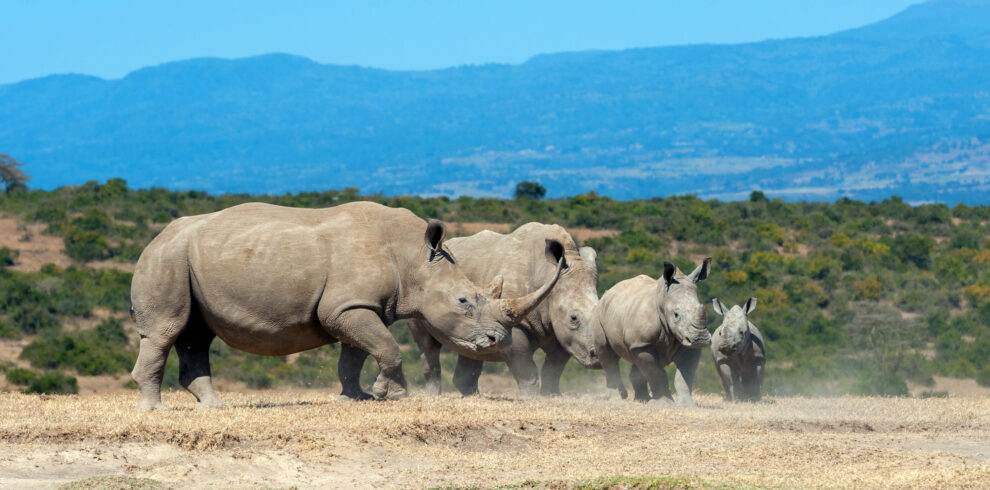
Yes — Ol Pejeta offers guided close-up encounters with Najin and Fatu, the world’s last two northern white rhinos. This is one of the most extraordinary wildlife experiences in Africa. Numbers are limited and advance booking is essential.
Nanyuki sits at around 1,900m altitude, so mornings and evenings can be genuinely cool, especially compared to Samburu or Meru. Pack a warm fleece or light jacket — you’ll thank yourself on early-morning drives.
Exceptional. Meru has over 300 species, Samburu over 450, and Ol Pejeta is equally rich. If you’re a birder, let us know and we’ll tailor the guiding accordingly.
Most light aircraft restrict luggage to 15kg (33lbs) in a soft-sided bag only — no rigid suitcases. This is a firm weight limit. All camps have laundry facilities so packing light is easy.
Yes. Game drives are suitable for all ages. Guided walks and rhino encounters are recommended for children aged 10 and above. Let us know in advance and we’ll adjust the pace and activities to suit your family.
The Kenyan Shilling (KES). USD is widely accepted at lodges and for tipping. Carry some cash for smaller purchases. ATMs are available in Nairobi and Nanyuki town.
Absolutely — this is our starting point, not a fixed route. We can add nights, swap lodges, combine with the Masai Mara or the coast, or build in specific experiences. Just tell us what you want and we’ll make it happen.